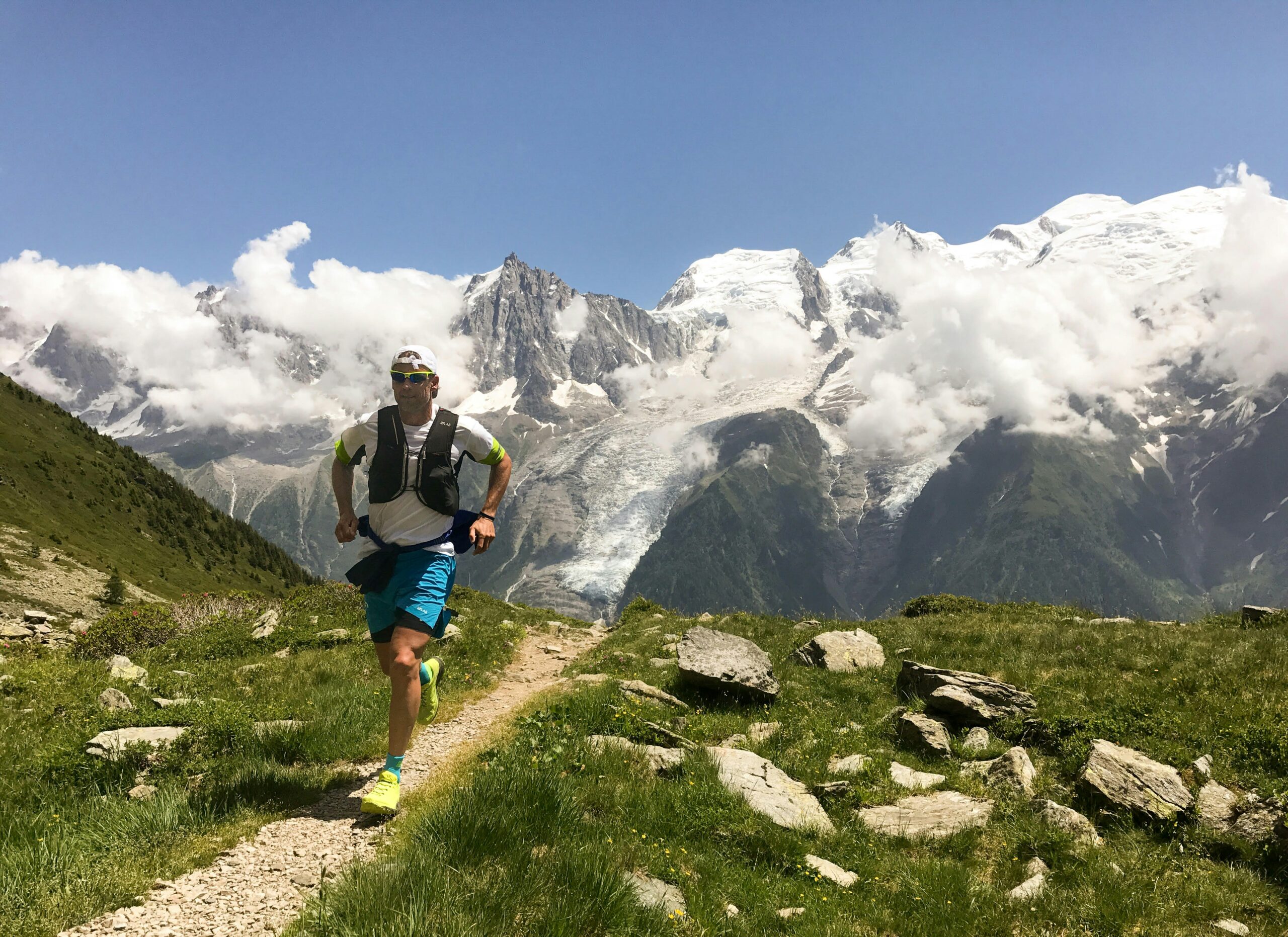
Your ankles are the quiet MVPs of movement when you are trail running in Colorado Springs.
Every step you take, every hill you climb, every squat, jump, or run, they’re working in the background to keep you balanced, absorb shock, and adapt to the surface beneath you. That’s why when ankle stability starts to falter, your entire movement system feels it, often in ways you don’t expect.
At Backcountry Physical Therapy, we work with runners, hikers, trail athletes, weightlifters, and active individuals near Colorado Springs who want to stay moving pain-free. One of the most overlooked reasons for chronic foot, knee, or hip issues? Unaddressed ankle instability.
This guide will walk you through:
- What ankle stability actually is
- Why it matters for performance and injury prevention
- The signs and causes of poor stability
- A PT-approved sample progression of exercises
- When to seek professional help
Let’s dig in, so you can stop compensating and start moving with confidence again.
What Is Ankle Stability, Really?
Ankle stability isn’t just about strong calf muscles or whether your ankle rolls during a hike. It’s about your body’s ability to control and respond to motion at the ankle joint under load and unpredictability and Colorado’s variable terrain.
This requires:
- Strong and responsive muscles: peroneals, tibialis posterior, calf group, foot intrinsics, knees, hips, and core
- Healthy ligaments: that hold the bones of the ankle joint in place
- Efficient neuromuscular communication: between your brain and foot to react quickly
- Good joint mobility: especially in dorsiflexion and subtalar motion
- Balance and proprioception: your internal GPS that tells your brain where your foot is in space
In short, ankle stability is your body’s real-time ability to control motion through the ankle and foot in the face of gravity, terrain, load, and speed. This system is vital for runners in Colorado Springs, trail runners, and anyone who regularly navigates uneven ground or engages in dynamic outdoor activities.
Why Ankle Stability Is Crucial for Active People
If you’re an active person, someone who runs, hikes, lifts, climbs, or plays recreational sports, ankle stability is non-negotiable.
Here’s what a stable ankle allows you to do:
- Push off efficiently when running or jumping
- Adapt to uneven ground while hiking or running
- Maintain balance during single-leg or asymmetrical lifts
- Prevent rolling your ankle when landing or changing direction
- Keep the knees, hips, and low back from compensating
But when you lose that stability? It shows up as:
- Recurrent ankle sprains
- Wobbly or unsteady landings
- Painful foot and arch mechanics
- Shin splints or Achilles issues
- Knee or hip pain, especially with load or fatigue
In essence, ankle instability is like building a house on a shaky foundation. The cracks eventually show, especially if you're an outdoor athlete or endurance runner in Colorado Springs.
- Previous Ankle Sprains
Even one mild lateral sprain (rolled ankle) can stretch the ligaments and alter the feedback loop between your foot and brain. Most people don’t rehab fully, leaving long-term proprioceptive and muscular deficits behind.
- Overuse Without Recovery
Trail runners, long-distance hikers, and high-volume lifters often load their feet and ankles heavily without enough variability, rest, or mobility work.
- Lack of Dorsiflexion
Tight calves or a stiff talocrural joint (where the tibia meets the foot) limit dorsiflexion. This forces compensations at the midfoot and alters your push-off mechanics.
- Flat Feet or Hyperpronation
Collapsing arches can increase medial (inside) ankle stress, fatigue the stabilizers, and reduce reactivity.
- High Arches or Supination
On the flip side, stiff high arches can reduce shock absorption, overloading the lateral (outside) ankle and peroneal muscles.
- Poor Footwear
Minimalist shoes without foot strength = injury waiting to happen. Overly cushioned shoes without control = similar risk. Your shoe should match your mechanics and training load depending on your activity in Colorado Springs.
Signs You Have Poor Ankle Stability
- You roll your ankle frequently, even slightly
- You feel “wobbly” on uneven ground or in single-leg movements
- You’ve stopped trusting your ankle under load
- Your ankle feels tight, stiff, or sore after long runs or hikes
- You have nagging shin, knee, or hip pain with no clear cause
- You avoid barefoot training or unstable surfaces
If any of those sound familiar, there’s a good chance your ankle isn’t doing its job, and your body is compensating somewhere else.
How Physical Therapy Helps
The good news? Ankle stability is highly trainable; you just have to give it the right inputs.
At Backcountry Physical Therapy, we don’t just treat the site of pain; we look at the entire movement chain. When it comes to ankle stability, we assess:
- Joint mobility: Do you have enough dorsiflexion and subtalar motion?
- Muscle activation: Are your peroneals and foot intrinsics firing properly? Are your hips, knees, and core strong?
- Balance and proprioception: Can your body respond in real-time to instability?
- Gait and movement patterns: How do your foot and ankle behave during squats, hops, running, or stairs?
From there, we build a custom plan based on your needs, activity level, and goals. Whether you’re trail running, hiking, lifting, or just want to walk confidently, we tailor it to your real-life movement in Colorado Springs demands.

Working toward pain relief in active individuals in Colorado Springs.
Sample Exercise Progression: Building a Stable Ankle
Here’s a sample progression we often use in the clinic.
Phase 1: Foundational Control
- Single Leg Balance (Eyes Open → Closed)
- Stand barefoot on one leg
- Hold for 30 seconds
- Progress by closing eyes or adding head turns
- Short Foot Activation
- Lift the arch by pulling the base of the big toe toward your heel (no toe curling)
- 3 sets of 10-second holds
- This activates the intrinsic muscles of the foot to support your arch
- Towel Scrunches or Marble Pickups
- Engage intrinsic foot muscles
- Improves toe control and arch stability
- Calf Raises with a Ball Between Your Ankles
- Place a tennis or lacrosse ball between your heels for added arch engagement
- Focus on slow control up and down
- Do on flat ground → progress to on a step for increased range of motion
Phase 2: Strength + Proprioception
- Split Squats with Front Foot on Bosu Ball
- Place your front foot on a Bosu ball (flat side down), back foot on the floor
- Drop into a controlled split squat while keeping ankle and knee alignment
- Builds ankle stability under load and challenges multi-planar control
- Single Leg RDLs
- Hip hinge while maintaining foot-ankle alignment
- Use light kettlebell or dumbbell for added challenge
- Lateral Step Downs
- Step down from a low platform
- Control knee-ankle alignment and arch collapse
- Balance Reaches / Star Excursion
- Stand on one leg and reach opposite foot in different directions
- Excellent for multi-directional ankle control
Phase 3: Reactive Stability + Sport Integration
- Hop to Balance
- Hop forward, backward, lateral, land and stick
- Focus on quiet, controlled landings
- Hold 3 seconds before next rep
- Skater Bounds
- Jump laterally, side to side
- Keep chest and hips square
- Build lateral foot and ankle strength
- Bosu or Foam Pad Squats
- Challenge ankle stability in multi-joint motion
- Progress from double-leg to single-leg
- Pogo Hops or Jump Rope
- Reintroduce rhythmic forefoot loading
- Keep reps low at first, then build volume
Tools We Use in the Clinic
- Manual joint mobilization (especially for stiff foot/ankle joints, i.e. talocrural or subtalar joints)
- Dry needling or soft tissue work for tight calves or peroneals
- Balance boards, sliders, foam pads, Bosu ball, and resistance bands
- Video analysis of gait, running, or squatting
- Customized home exercise programs
When to Seek Professional Help
If your ankle instability:
- Keeps recurring after sprains
- Causes you to avoid certain activities
- Is paired with balance issues or pain
- Affects your lifting, running, or daily function then it’s time to get assessed.
At Backcountry Physical Therapy, we specialize in helping Colorado Springs athletes rebuild their foundation for long-term performance.
Conclusion: Don’t Let Your Ankles Be the Weak Link
Ankle stability isn’t a “bonus” feature, it’s foundational. Whether you’re running on uneven terrain, landing from a jump, or simply stepping off a curb, your ankles are the first line of defense. When they’re not functioning well, everything above has to work harder and often pays the price.
At Backcountry Physical Therapy in Colorado Springs, we help active individuals build stable, strong, responsive ankles that support performance, prevent injury, and build long-term resilience.
Book a consultation today to get started with an expert movement plan with physical therapy in Colorado Springs.
Serving athletes across Colorado Springs, Manitou Springs, and the Front Range.
📞 Call us today or 📧 book your evaluation with us to get started with your Colorado Springs medical bike fit (719) 285-9670