
Medical Bike Fitting in Colorado Springs, CO
The Fit Your Body Actually Needs
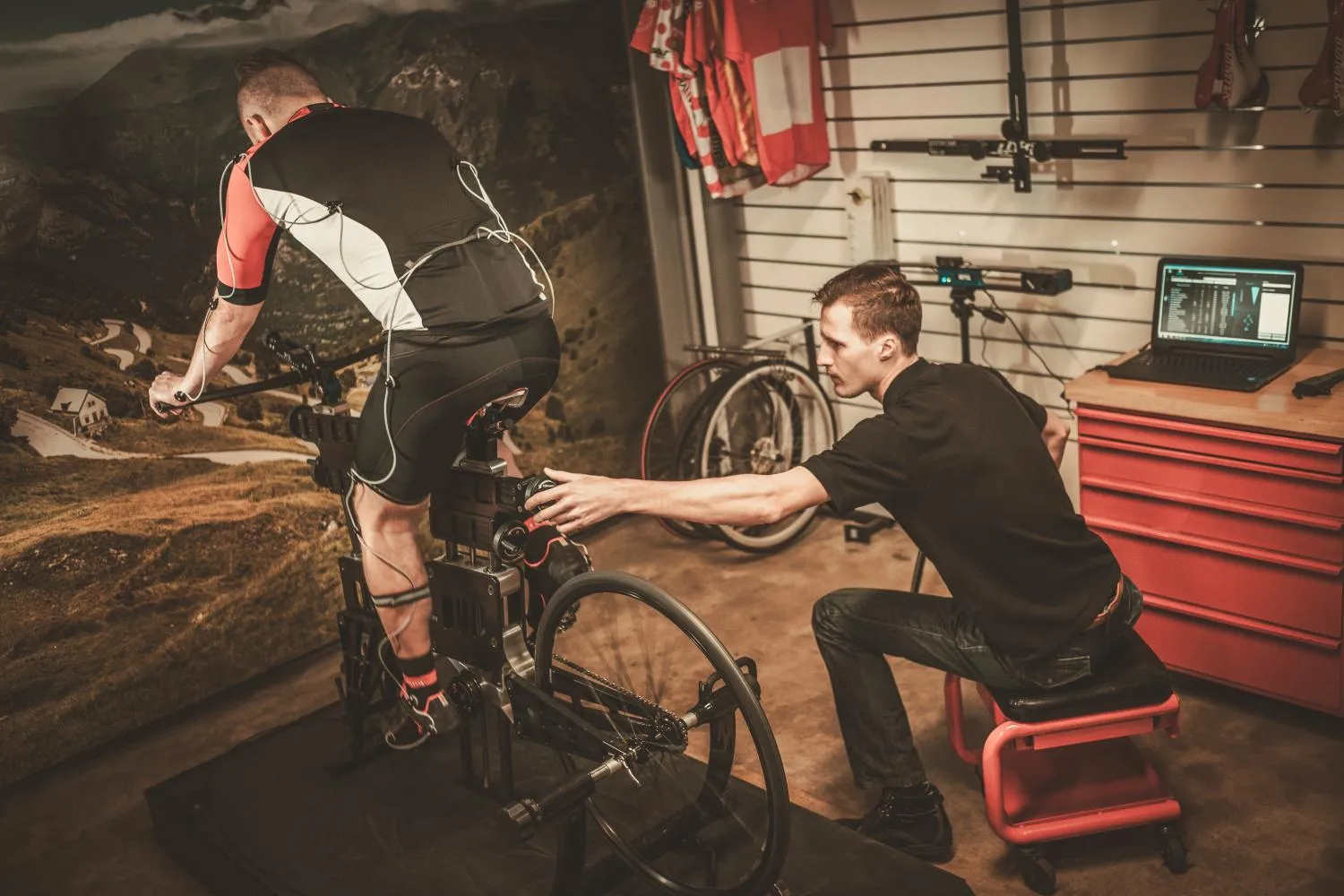
A bike shop fit measures the bike. A medical bike fit measures the rider. Hip mobility, hamstring length, knee tracking, old injuries, the way you actually pedal under load — all of it changes what your fit should look like, and none of it shows up on a static jig.

Riding Through Bike Pain Is a Short Path to a Long Time Off the Saddle
Pain on the Bike Is Information You're Ignoring
Knee, hip, back, or wrist pain on the bike isn't normal, and it isn't something you grind through. It's your body telling you the fit, the loading, or the mechanics are off — and grinding through usually makes it worse.
A Stock Fit Doesn't Account for Your Body
Most shop fits use standard geometry charts and a quick on-bike eyeball. That works for the average rider — but you're not the average rider, and any old injury or asymmetry blows the chart out the window.
Power You're Losing Adds Up Over Miles
A position that's even slightly off costs you watts, costs you efficiency, and stacks small mechanical errors into chronic overuse injuries. The longer the fit stays wrong, the harder the body works to compensate.
A Bike Fit From Someone Who Treats Bike Injuries
Most fits stop at the bike. Ours starts with a biomechanical assessment and ends with a position that fits the rider you are right now — including the injuries, asymmetries, and goals a shop tech has no way to evaluate.


What Brings Riders to Our Bike Fitting
The list below covers the most common reasons. If your situation isn't here, schedule a discovery call and we'll talk through whether a medical fit is the right next step.
Knee pain on the bike — front, side, or under-cap discomfort that worsens with miles
Hip pain, pinching, or impingement when pedaling hard or climbing
Low back pain that builds during long rides or after threshold efforts
Neck, shoulder, or upper back tightness from extended drops or aero positions
Saddle pain, numbness, or pressure issues unresolved by saddle swaps alone
Wrist, hand, or forearm pain related to bar position and load distribution
Returning to riding after a knee, hip, or back injury and needing the fit reassessed
Power loss or inefficiency that hasn't resolved with training adjustments
Your Path Back to Full Activity
Schedule a Free Discovery Call
Tell us about your injury, your sport, and your goals. We'll let you know if Backcountry PT is the right fit before you ever pay a dime.
Get Your Personalized Eval and Plan
Your first session is a thorough one-on-one evaluation. You leave with a clear picture of what's happening, a treatment plan, and a realistic timeline — no guesswork.
Return to Your Sport — Stronger
Work through your strength-based program and rebuild the durability to get back to the trails, the slopes, and the gym with confidence.
What Riders Say
Real reviews from cyclists and outdoor athletes in Colorado Springs.


Frequently Asked Questions
Common questions from cyclists about how a medical bike fit works.
How is this different from a bike shop fit?
A shop fit measures the bike and adjusts it to standard geometry. A medical bike fit measures the rider — mobility, strength, injury history, and movement patterns — then builds the position around what your body can actually do. Same goal of a comfortable, efficient bike. Different inputs.
Can I get a fit if I'm dealing with an injury?
Yes. Riders dealing with knee, hip, or back issues are exactly the patients this service is built for. We assess what's contributing to the pain, identify what's a fit problem versus a body problem, and address both in the same setting if needed.
Do you fit road, mountain, and gravel bikes?
Yes. The biomechanical principles are the same across bike types, even though the positions look different. Bring the bike you ride most, and we'll work through what the position should be for the way you actually use it — racing, training, all-day rides, or technical trail work.
Will a fit fix my pain?
Often, yes — but not always. Many riding pains are a fit problem with a body problem layered underneath. If the fit alone solves it, great. If we identify mobility or strength limitations that need attention, we'll talk through whether physical therapy in the same clinic makes sense.
How long does a fit appointment take?
Plan for a longer session than a typical bike shop fit. The biomechanical assessment, conversation about goals and injuries, on-the-bike work, and adjustment all take real time. We won't rush it — getting the fit right matters more than getting you out the door fast.
Still have questions?
Still have questions? Reach out and we'll talk through them on a free discovery call.
Ready to Ride Without Fighting the Bike?
Schedule a free discovery call. We'll figure out whether a medical fit is the right next step.
