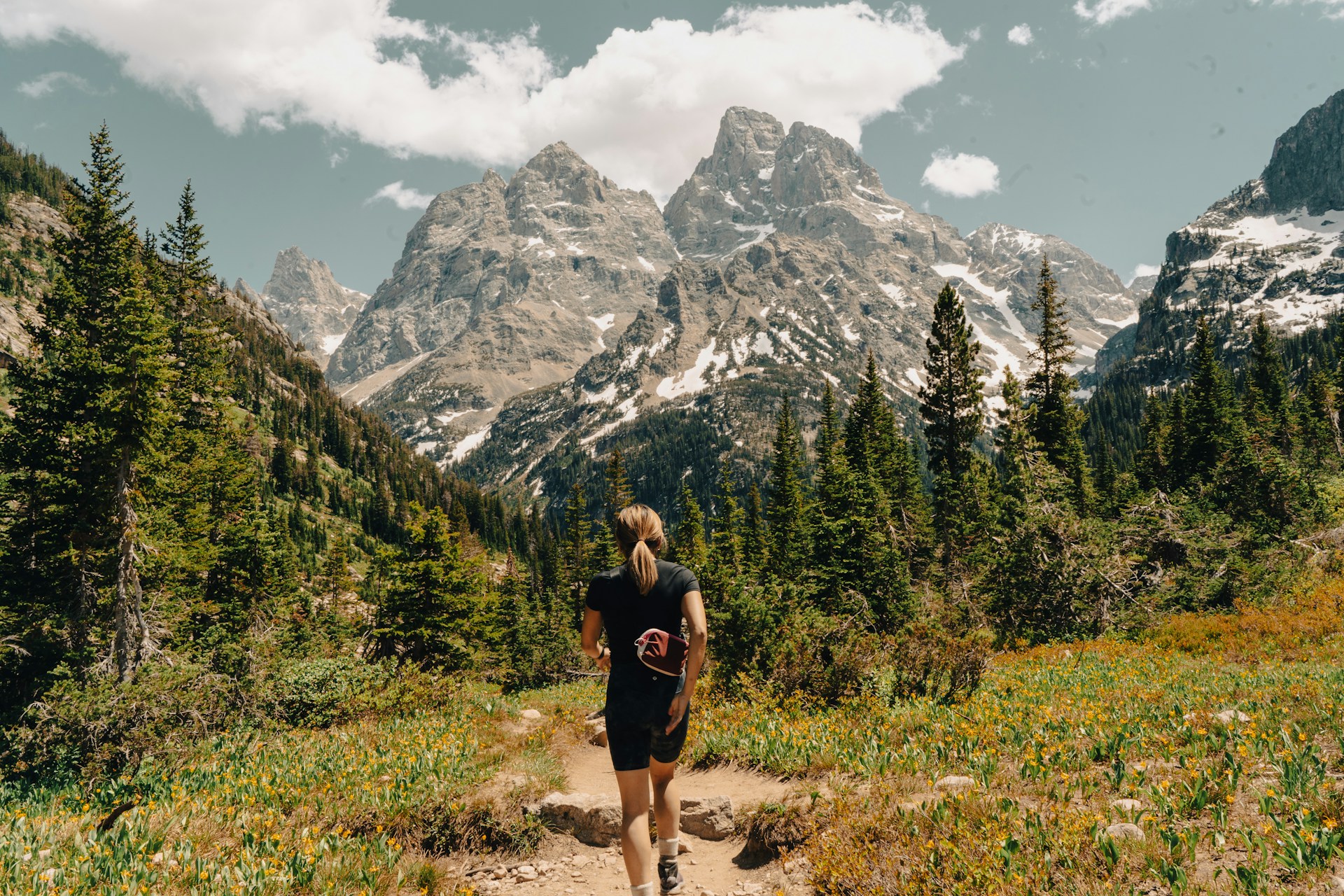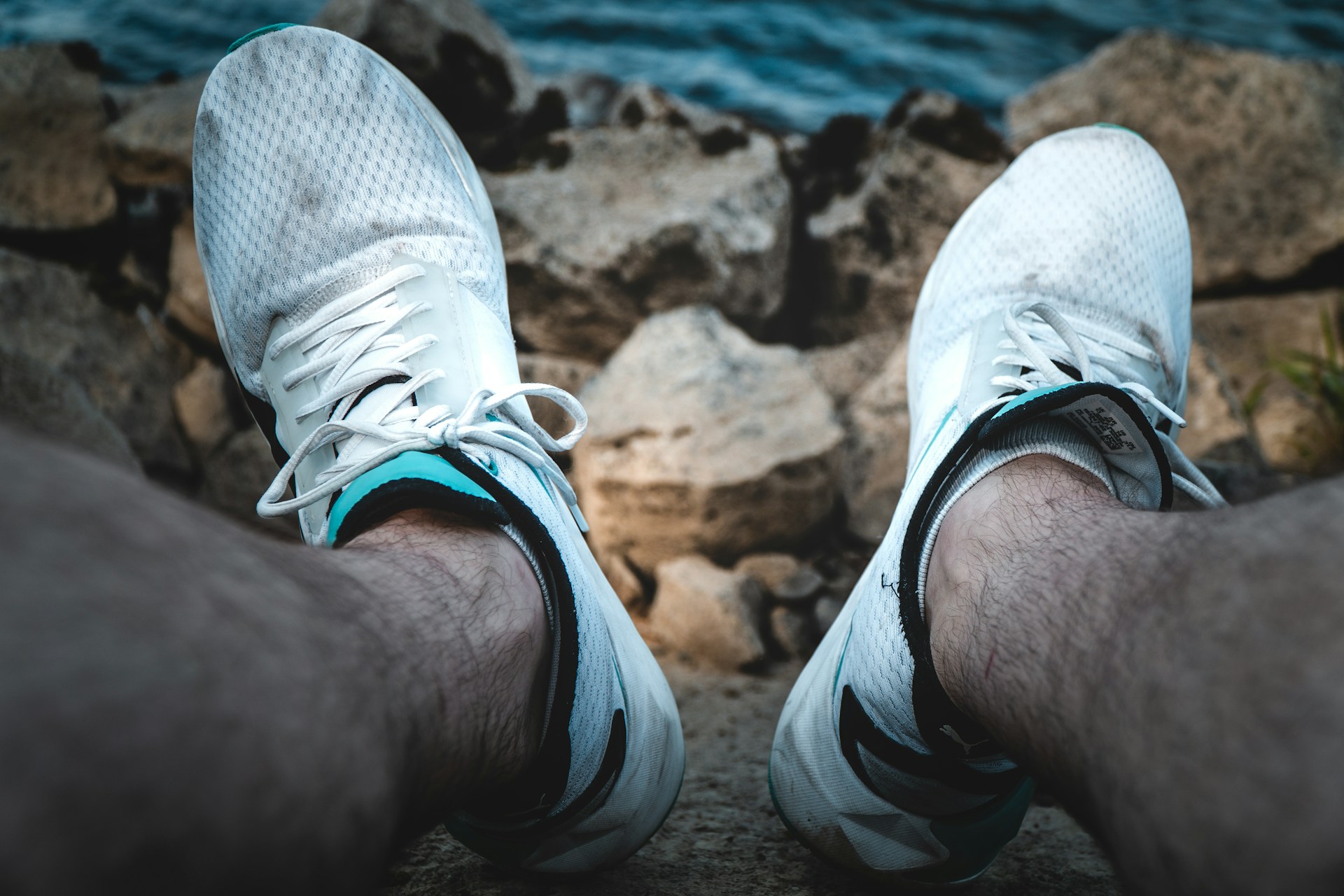
Barefoot running in Colorado Springs had a surge in popularity in the late 2000s and early 2010s. It was marketed as a return to a more “natural” way of moving, with promises of fewer injuries, better mechanics, and stronger feet. Since then, the hype has cooled, but the underlying concepts may still be relevant, especially for clinicians and active individuals trying to optimize foot function.
This article breaks down the history of the barefoot movement, the potential benefits and drawbacks, and how strategies like toe spreaders and wide toe box shoes fit into the conversation.
The Rise And Fall Of Barefoot Running
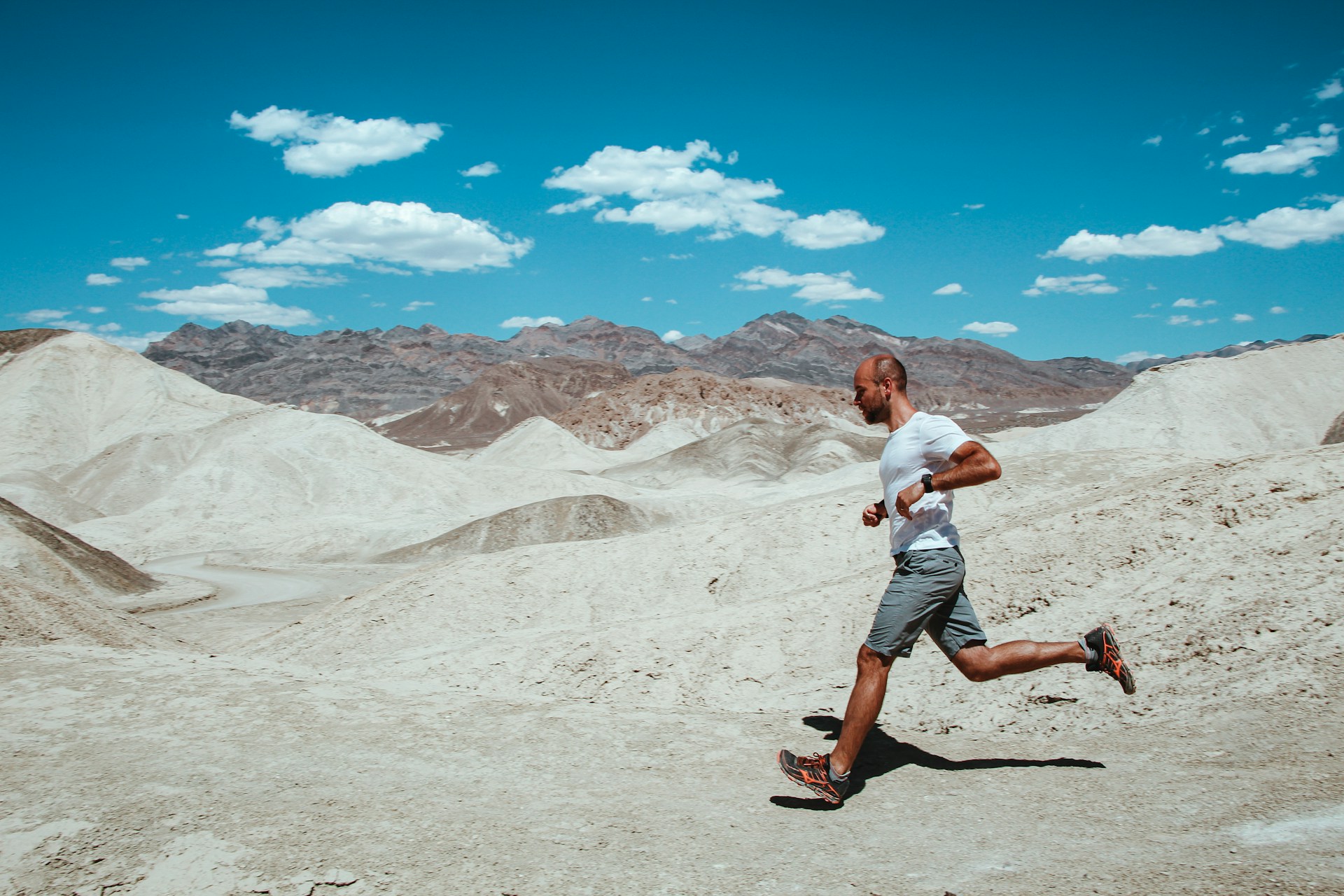
The modern barefoot running movement was heavily influenced by the book Born to Run and early research suggesting that habitually barefoot populations demonstrated lower rates of certain running injuries near Colorado Springs and different foot strike patterns. Runners began transitioning away from traditional cushioned shoes toward minimalist footwear or fully barefoot running in Colorado Springs.
The central idea was that modern shoes may interfere with natural foot mechanics, while barefoot running promotes a forefoot or midfoot strike, increased cadence, and reduced impact loading rates.
So why did the trend fade?
Injury rates did not universally improve
While some runners benefited, others developed new injuries, especially to the calf, Achilles, and metatarsals.
Transition errors were common
Many runners switched too quickly without allowing tissue adaptation.
Overgeneralization of early findings
Initial research was often interpreted too broadly. Not every runner benefits from the same mechanics.
Footwear companies adapted
The market shifted toward “minimal but not extreme” designs, including wide toe boxes and moderate cushioning.
Barefoot running in Colorado Springs didn’t necessarily fail, but the principles were incorporated into a traditional running paradigm.
Potential Benefits Of Barefoot Running
Improved Foot Intrinsic Strength
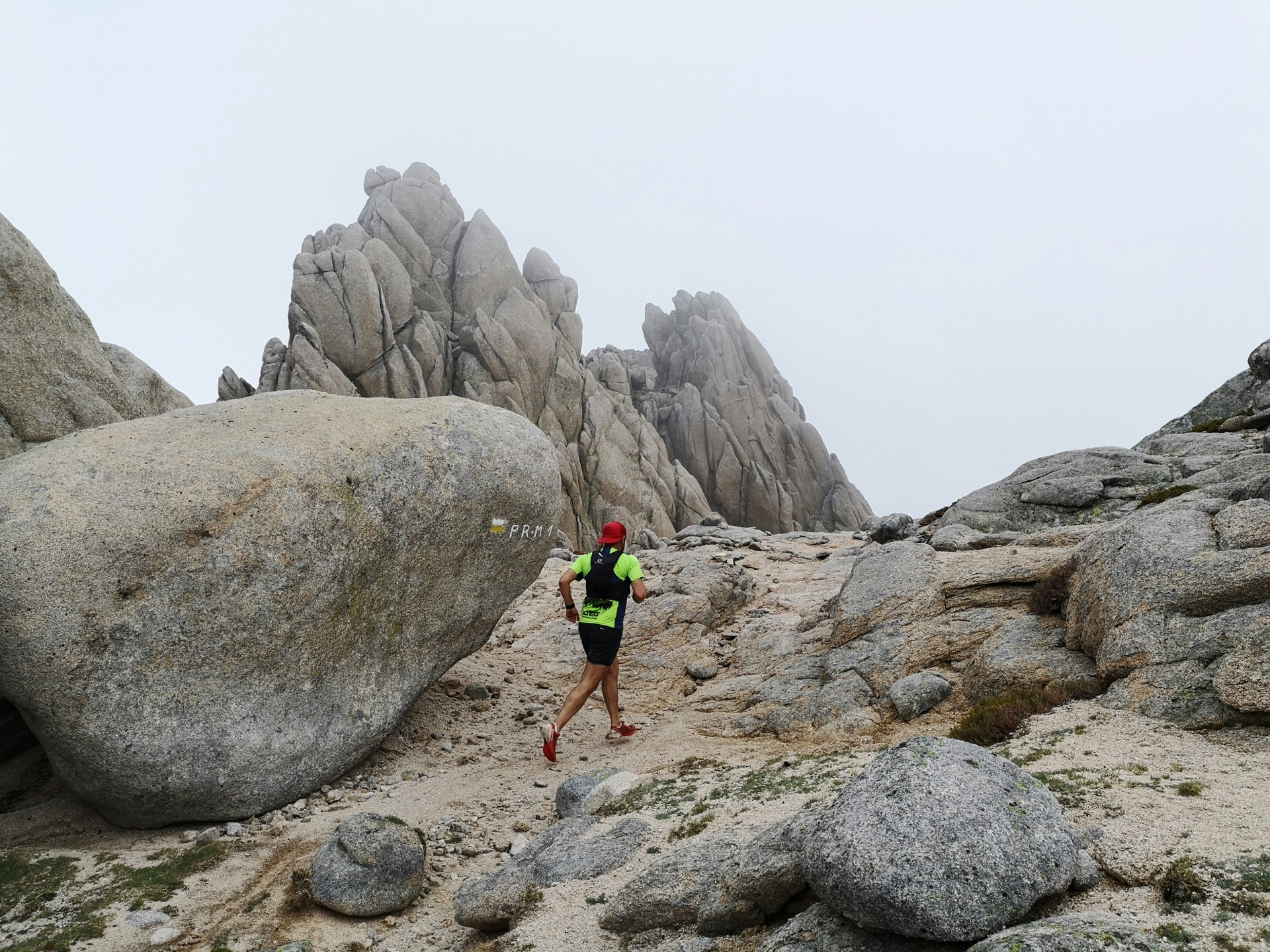
Barefoot running near Colorado Springs increases demand on the intrinsic muscles of the foot. Over time, this may improve arch control and foot stiffness, which can contribute to efficient force transfer during gait and improve resilience in the foot musculature.
Enhanced Proprioception
Without thick cushioning, sensory feedback from the ground improves. This may help runners in Colorado Springs adjust stride and loading patterns more dynamically. This is similar to why rock climbers tend to not wear socks when climbing.
Natural Gait Adjustments
Barefoot runners tend to adopt:
- Shorter stride length
- Higher cadence
- Reduced overstriding
These changes are often the most important ones to make when making corrections to running form, as they are most likely to be associated with pain when running near Colorado Springs.
The Importance Of Toe Splay
One of the more overlooked aspects of foot function is toe splay.
A healthy foot should spread at the forefoot during loading and allow the big toe to act as a stable lever during push-off. Modern narrow shoes compress the toes, which may reduce stability and force distribution, as well as contribute to deformities over time.
Barefoot running in Colorado Springs and walking naturally allows for increased toe splay while under load, which significantly increases the likelihood for toe range of motion to persist afterwards. This is similar to how you must use a new range of motion after stretching to maintain it.
Downsides And Injury Risk
Barefoot running in Colorado Springs is not inherently safer or more dangerous (aside from the risk of puncture wounds if you are truly barefoot), it simply transfers the force of running to other parts of the foot/ankle complex.
Increased Load On The Foot And Ankle
Most commonly, barefoot runners near Colorado Springs experience issues with achilles tendonopathy, calf strains, and metatarsal bone stress injuries. These occur because barefoot running increases demand on the posterior chain and forefoot structures.
Transition Risk
The biggest mistake most make when transitioning is getting too excited. You hear how great being barefoot is for your health, and decide you want all of the benefits as fast as possible. Many of my patients have developed foot pain from transitioning to new shoes too quickly, so you can imagine that going from shod to unshod overnight may cause problems.
This is a somewhat extreme transition, and it takes quite a bit of time for tissue adaptation to occur. If you have been wearing shoes for 30+ years, you should expect it to take a few years to adapt to barefoot shoes.
Surface Hazards
This is the most common concern a stranger will have for you if you tell them you run barefoot. While most barefoot runners are wearing minimalist shoes that will help protect their feet, there is still an increased risk of sharp objects and temperature extremes affecting your ability to run.
With a bit of common sense, however, most barefoot runners in Colorado Springs are able to avoid surface hazards. No one is running on burning asphalt covered in shards of glass with shoes either!
Barefoot Running And Bunions
Hallux valgus (aka bunions) are a fairly common foot deformity and are often the reason people look into barefoot running and walking in the first place. The hope is that by increasing foot and toe splay, a bunion will stop progressing or even reverse its course.
It is easy to see how one could come to this conclusion if you look at the opposite circumstances. Basketball players who have been cramming their feet into narrow shoes for decades can end up with very deformed feet and toes, so wide shoes or no shoes should do the opposite, right?
How Barefoot Strategies May Help
Barefoot walking or running may:
- Reduce compressive forces on the big toe since there is no shoe to compress your toes
- Encourage more natural alignment and toe splay
- Promote activation of stabilizing muscles
However, it is important to be realistic. Barefoot activity is unlikely to reverse a structural bunion, especially in later stages since the deformity has already been established.
Do Toe Spreaders Actually Work?
Toe spreaders are not the same as barefoot running, but they are often associated with the conversation. They are designed to passively separate the toes and counteract the effects of narrow footwear, and can be a means to allow for some of the benefits of barefoot running without needing to get rid of a supportive shoe.
Potential Benefits
- Temporary improvement in toe alignment
- Increased awareness of foot positioning
- May complement active strengthening
Limitations
- Effects are often short-lived if only used passively
- Passive devices do not replace active control
- Limited high-quality evidence supporting long-term structural change
In clinical practice (such as physical therapy in Colorado Springs), toe spreaders can be a useful adjunct, especially when combined with:
- Foot intrinsic strengthening
- Weight bearing exercise that stresses the foot
- Gradual exposure to wider footwear
- Progression to walking and running while wearing spreaders
A Middle Ground: Wide Toe Box Shoes
For many people, the best approach is not fully barefoot, but not fully traditional either. Many running shoe brands have begun offering shoes with a “wide toe box”, which essentially means there will be plenty of room for your toes to spread out.
Wide toe box shoes allow:
- Natural toe splay
- Reduced compression of the forefoot
- Maintenance of some protection and cushioning
This can provide many of the benefits of barefoot mechanics without the abrupt increase in tissue demand. They are particularly useful for individuals transitioning toward minimalist footwear or people managing bunions or forefoot pain.
Practical Takeaways
- Barefoot running is not inherently better or worse. It is a different loading strategy with upsides and downsides.
- It may improve foot strength, proprioception, and gait mechanics for some individuals.
- Injury risk is primarily related to poor transition and load mismanagement.
- Toe splay is an important but often neglected component of foot health.
- Toe spreaders can help, but should not replace active interventions.
- Wide toe box shoes offer a practical middle ground for most people.
Clinical Perspective
From a physical therapist’s standpoint, barefoot running is best viewed as a tool, not a doctrine.
Some patients benefit from incorporating barefoot work into their program, while others will do better with more traditional footwear. Our aim is to determine what your personal goals are and tailor your training to meet them.
If changing your running, footwear, or preventing foot deformities is a goal of yours, consider scheduling with a physical therapist in Colorado Springs who can help.
We proudly serve active individuals in Colorado Springs, Manitou Springs, Briargate, Falcon, Rockrimmon, and surrounding areas.
📞 Call us today or 📧 book your evaluation to get started with Physical Therapy near Colorado Springs: (719) 285-9670