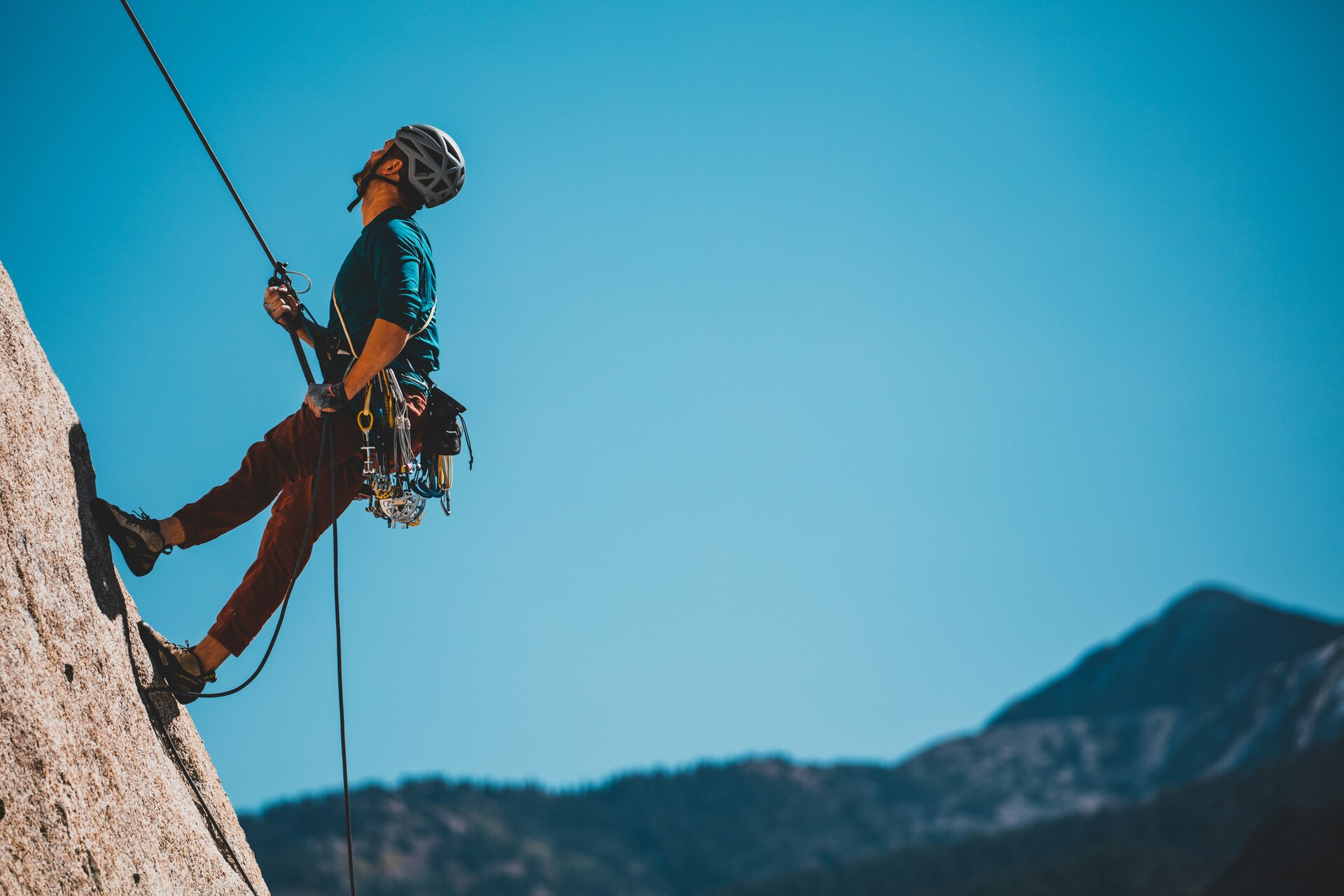
Shoulder pain is common, especially if you're an active person in Colorado Springs lift, climb, throw, or do a lot of overhead work. One of the most overlooked causes of shoulder pain is bicipital tendinitis, an irritation of the tendon that connects your biceps muscle to your shoulder. The good news? With the right treatment here at Backcountry Physical Therapy, this condition often improves without surgery.
In this post, we’ll break down what bicipital tendinitis is, how it happens, and what you can do to get better if you are an active adult or athlete in Colorado.
What Is Bicipital Tendinitis?
Bicipital tendinitis is inflammation or irritation of the biceps tendon, specifically the part that attaches your biceps muscle to the front of your shoulder. This tendon helps with movements like lifting overhead carrying objects, weightlifting, rock climbing, mountain biking, and skiing.
You may have heard the term rotator cuff when talking about shoulder pain; this tendon shares space with those muscles. When things aren’t working quite right in the shoulder, the biceps tendon can get overloaded or irritated.
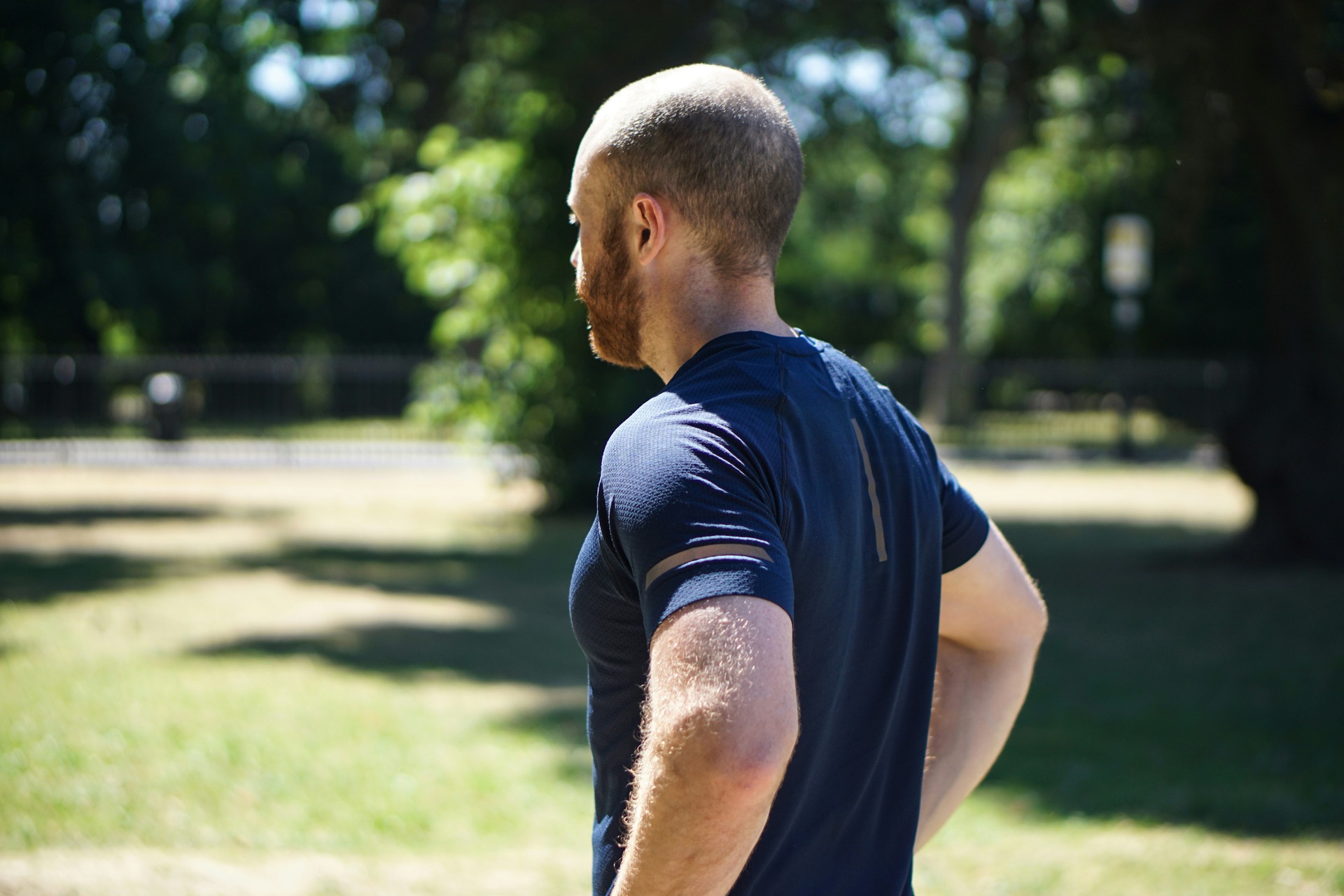
What Causes Bicipital Tendinitis in Active Individuals?
This condition is usually caused by repeating the same motion over and over again. Common causes include:
- Lifting weights, especially overhead pressing
- Throwing sports or swimming
- Poor posture or shoulder mechanics
- Shoulder instability or weakness in nearby muscles (especially the rotator cuff)
- Getting older (tendons naturally get more sensitive with age)
- Previous shoulder injuries
Whether you’re training for the Pikes Peak Ascent, preparing for ski season, or just staying active in the Colorado outdoors, repeated shoulder use can cause the pain to build gradually rather than all at once.
What Does It Feel Like?
Here are some common signs of bicipital tendinitis:
- A dull or sharp ache in the front of the shoulder
- Pain that worsens with lifting, reaching, or pulling
- Tenderness if you press just below the front of your shoulder
- Discomfort when lifting your arm
- Sometimes, a feeling of snapping or clicking
It’s easy to confuse this pain with other shoulder injuries, which is why a physical therapy evaluation is so important.
How Is It Diagnosed?
At Backcountry Physical Therapy, we use a mix of movement testing, hands-on assessment, and your activity history to figure out what’s going on. Some key things we look for:
- Pain with certain arm positions or resistance
- Tenderness over the biceps tendon area
- Weakness in surrounding muscles
- Limited shoulder motion or stiffness
We rarely need imaging like an MRI unless the injury is more severe or not improving with care in Colorado Springs.
Is It Serious?
Most of the time, bicipital tendinitis isn’t serious, but it can become a long-term issue if ignored. Some people go months or years with nagging shoulder pain that interferes with workouts, work, daily activities, or even sleep. That’s why early treatment matters.
In more advanced cases, the tendon may tear or slip out of place, especially if there are other shoulder problems like rotator cuff tears or joint instability. But this is less common.
What You Can Do Early On?
If you’re just starting to feel shoulder pain in the front of your arm, here’s what we recommend:
- Back Off Painful Activities
Give your shoulder a break from heavy lifting especially with overhead motion. You don’t need to stop moving completely, just modify what you’re doing.
- Ice the Area
Use an ice pack over the front of your shoulder for 15–20 minutes, especially after activity. This helps reduce inflammation.
- Try Gentle Motion
Things like arm circles, pendulum swings, and shoulder blade squeezes can keep the area moving without irritating it further.
- Fix Your Posture
Slouching puts more stress on the biceps tendon. Improving your posture helps reduce strain during everyday activities. Especially important if you sit at a desk or drive often which is common among Colorado remote workers and weekend warriors.
How Physical Therapy Helps
Physical therapy is the most effective way to treat bicipital tendinitis and get back to your normal activities without pain. At Backcountry PT, we focus on the needs of runners, weightlifters, skiers, climbers, and outdoor athletes.
What We Focus On:
- Reducing pain and inflammation
- Improving posture and shoulder movement
- Strengthening muscles around the shoulder blade and upper back
- Slowly reintroducing biceps and shoulder exercises in a safe way
Our goal for active individuals in Colorado Springs is not just to make the pain go away but to fix the root of the problem so it doesn’t come back.
What Rehab Looks Like
Here’s an idea of what we might include in your rehab plan, depending on your symptoms and activity level.
Early Phase (Reduce Pain & Improve Motion)
- Gentle stretching to loosen tight muscles
- Pendulum swings to keep the joint moving
- Isometric exercises (where the biceps contract without moving) for early strength
- Posture drills for the upper back
Middle Phase (Build Strength)
- Scapular strengthening (your shoulder blade and rotator cuff muscles help reduce biceps overload)
- Shoulder rotation exercises with resistance bands
- Rowing movements to strengthen your upper back and improve posture
- Light biceps curls, progressing slowly over time
Final Phase (Return to Activity)
- Overhead control: slow reintroduction of reaching, pressing, or climbing
- Eccentric training: muscular strengthening during the muscle’s lengthening phase (slowly lowering weights) helps build tendon strength
- Carrying drills: like farmers carries or waiter’s carries for stability
Your program will be customized to fit your sport or activity, whether you’re a lifter, climber, runner, thrower, or weekend warrior.
What If It Doesn’t Get Better?
In rare cases, people need additional treatment like:
Cortisone Injections
These can temporarily reduce pain and inflammation but don’t address the root cause. We usually recommend trying physical therapy first.
Surgery
If PT did not fix the issue and the tendon is torn or slipping out of place, your doctor may recommend a tenodesis (surgical reattachment) or tenotomy (cutting the tendon to relieve tension). These are more common for older adults or high-level athletes who don’t improve with rehab. Again, this is an extreme case.
Post-surgery, physical therapy is still essential for full recovery.
How to Prevent It From Coming Back
Once your shoulder feels better, we want to keep it that way. Here's how:
- Warm up your shoulders before lifting or overhead work
- Keep your upper back and shoulder blades strong
- Avoid training through pain
- Work on thoracic spine (upper back) mobility
- Take breaks from repetitive movements during the day
- Progress your training gradually instead of going all-in too fast
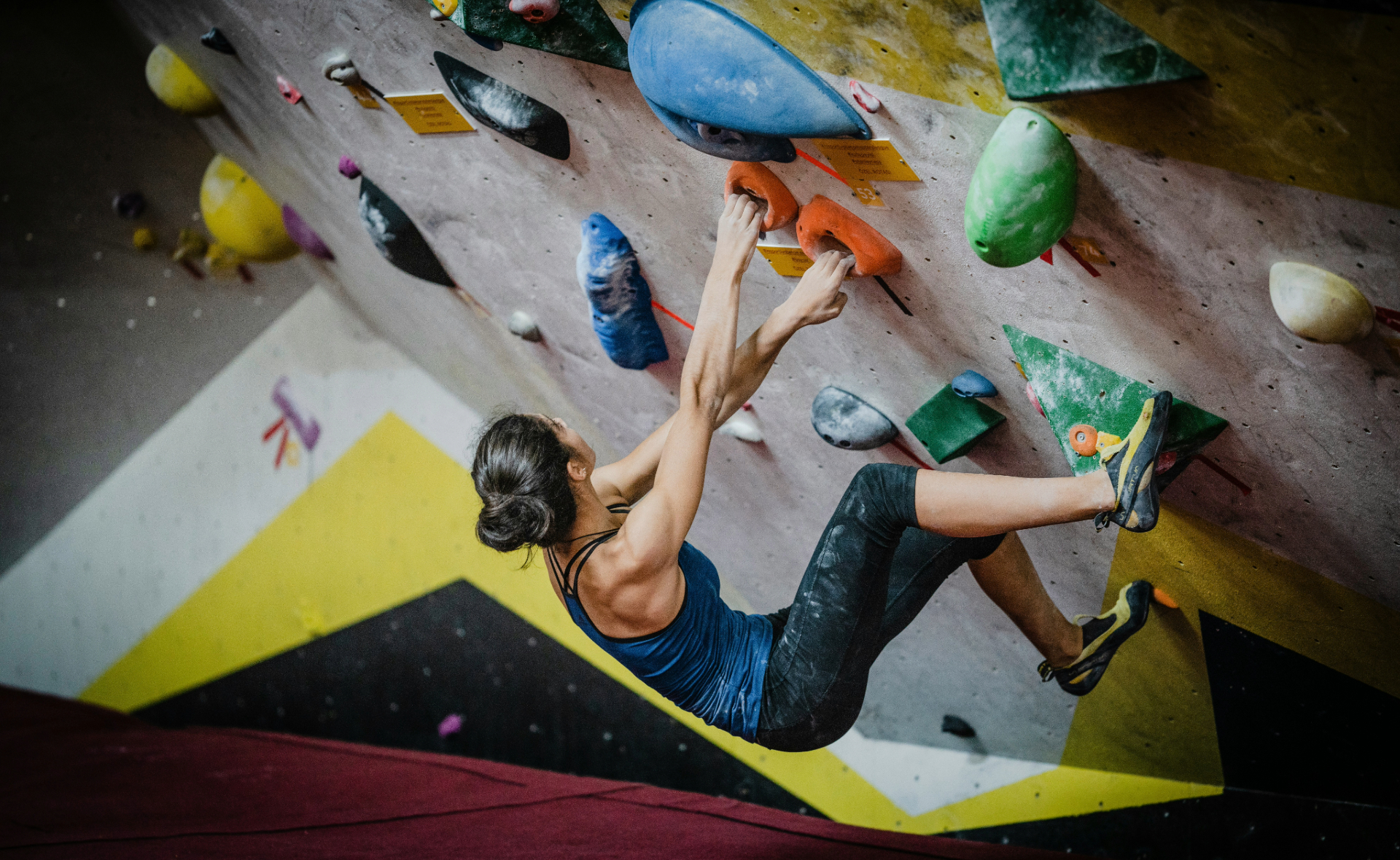
Whether you're training for a trail race, climbing at Garden of the Gods, or crushing the gym your shoulder health matters.
Why Choose Backcountry Physical Therapy?
If you’re tired of dealing with shoulder pain, we’re here to help. At Backcountry PT near Colorado Springs, we specialize in treating active people, runners, lifters, hikers, climbers, and anyone who wants to stay strong and mobile.
Here’s what sets us apart:
- One-on-one care every session
- Full hour with your therapist; no being passed around
- Custom programs built around your life, your activities, and your goals
- Movement-based rehab that doesn’t just focus on the injury but rather the whole body
We believe in giving you the tools to take control of your recovery and keep moving for life.
Final Thoughts
Bicipital tendinitis is frustrating, especially when it limits your workouts or daily life. But with the right treatment, most people make a full recovery. Physical therapy helps you treat the source, not just the symptoms, so you can get back to what you love doing, pain-free, and confident.
If you’re ready to stop guessing and start healing, reach out. We’re here in Colorado Springs when you’re ready.
📍 Serving Colorado Springs, Manitou Springs, and the Front Range Trail Running Community.