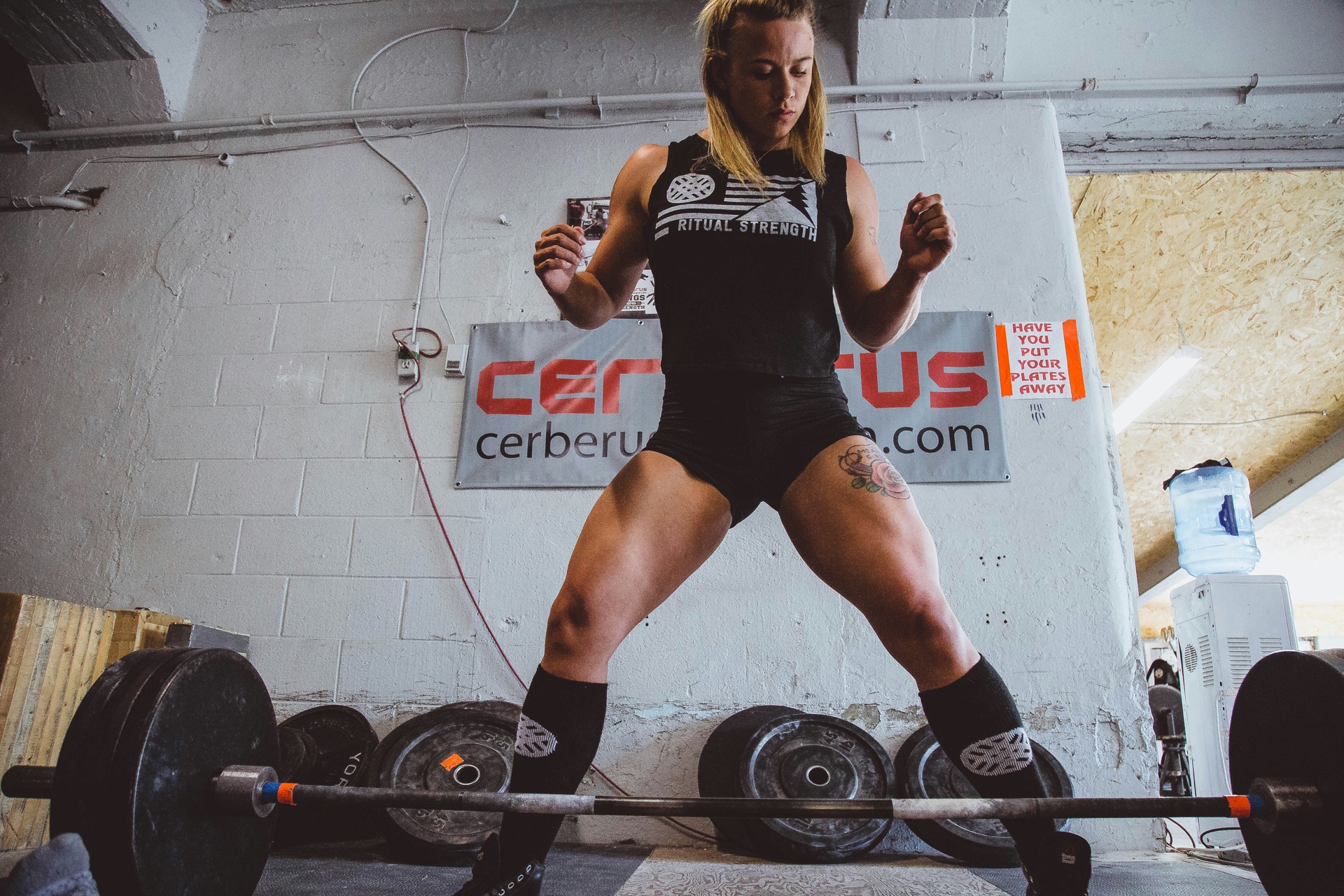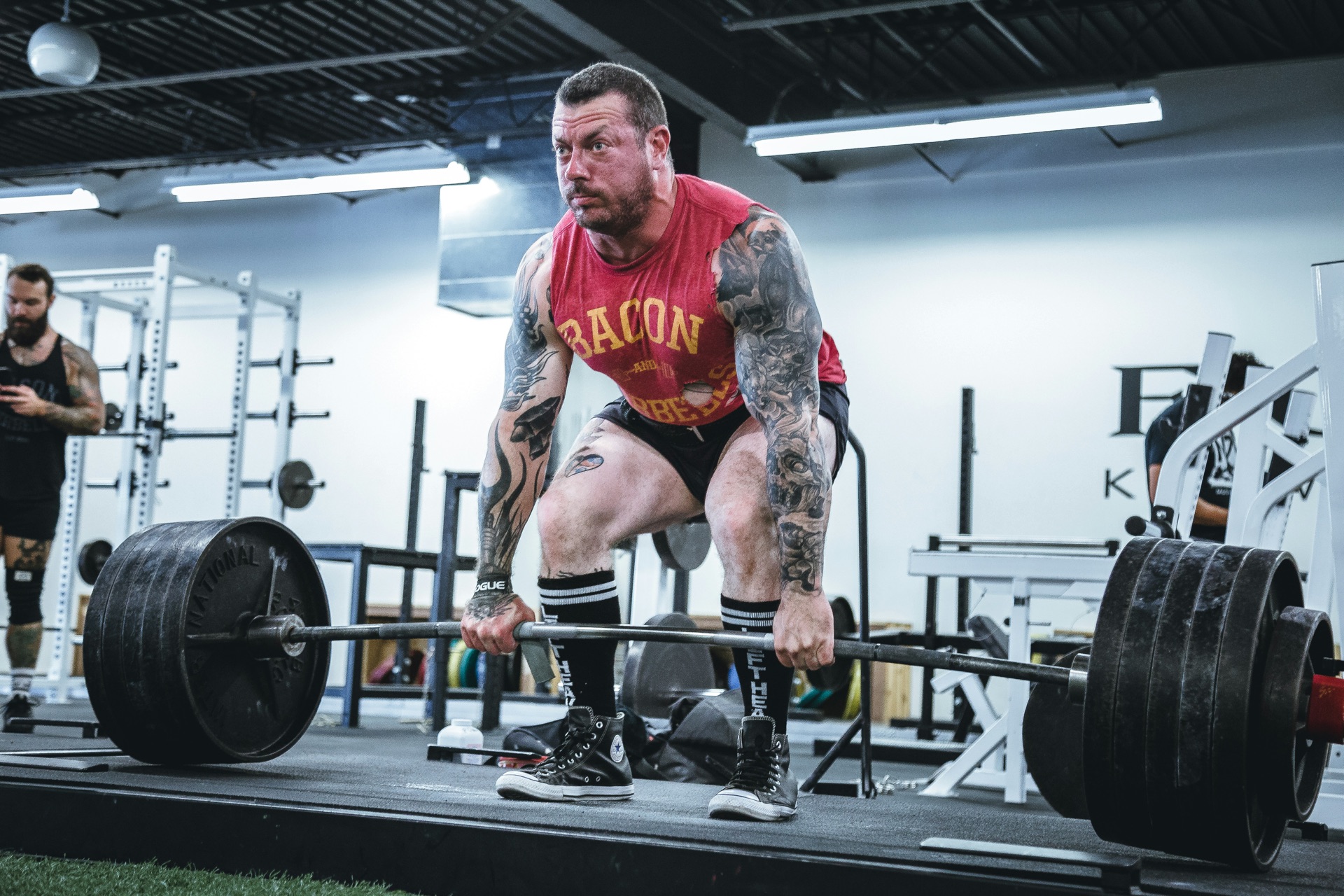
Powerlifting is one of the most effective ways to build raw strength. Squat, bench, and deadlift form the foundation of this sport, and they carry over into mountain sports like skiing, climbing, and trail running. With great strength comes great responsibility: the heavy loads and repetitive stress of powerlifting put athletes at risk of injury.
At Backcountry Physical Therapy in Colorado Springs, we see lifters regularly for shoulder pain, knee issues, low back strains, and more. The good news? Most powerlifting injuries are preventable with the right approach to training, technique, and recovery.
In this post, we’ll cover:
Strategies to prevent and recover from them
The most common injuries in powerlifters
Why they happen
Why Do Powerlifters Get Injured?
Powerlifting isn’t inherently dangerous, but the combination of maximal loads, repetitive training, and sometimes poor recovery can set the stage for injury near Colorado Springs. Common contributing factors include:
- Technique breakdown under heavy loads
- Muscle imbalances (e.g., quads overpowering glutes, chest overpowering upper back)
- Mobility restrictions in hips, shoulders, or thoracic spine
- Insufficient recovery between heavy sessions
- Training errors (too much volume or intensity too soon)
Most injuries in powerlifters are not catastrophic, they’re overuse injuries that build up gradually.
Common Injuries in Powerlifters
1. Low Back Strains
- Why it happens: Heavy deadlifts and squats load the spine. If core bracing, hip mobility, or spinal control break down, the lower back takes the stress
- Symptoms: Sharp or aching low back pain, stiffness, pain with bending or lifting
- Prevention:
- 1. Prioritize proper bracing and neutral spine mechanics
- 2. Strengthen posterior chain (glutes, hamstrings, erectors)
- 3. Incorporate mobility drills for hips and thoracic spine
2. Knee Pain (Patellar Tendinopathy or Meniscus Irritation)
- Why it happens: Repeated heavy squats put stress on the knees, especially if quad strength dominates over hip/glute stability. Poor ankle mobility can also overload the knees
- Symptoms: Pain at the front of the knee (patellar tendon), stiffness after sitting, pain with deep squats
- Prevention:
- 1. Balance quad and glute training (hip thrusts, RDLs, lunges)
- 2. Improve ankle dorsiflexion mobility
- 3.Avoid sudden jumps in squat volume/intensity
3. Shoulder Pain (Rotator Cuff or Impingement)
- Why it happens: Bench pressing heavy and often stresses the front of the shoulder, especially if scapular stabilizers are weak or if lifters train pushing more than pulling
- Symptoms: Pain at the front/top of the shoulder, pain pressing overhead or benching, discomfort sleeping on the side
- Prevention:
- Strengthen rotator cuff and scapular stabilizers (banded external rotation, face pulls)
- Keep pulling volume equal to or greater than pressing volume
- Fine-tune bench press form (shoulder blades retracted, elbows tucked slightly)
4. Elbow and Wrist Pain
- Why it happens: Low-bar squats can strain the elbows and wrists; heavy bench pressing adds stress as well. Repeated gripping can also cause tendinitis
- Symptoms: Pain at the inside/outside of the elbow, wrist soreness, pain gripping the bar
- Prevention:
- Improve shoulder and thoracic mobility for better squat bar positioning
- Use proper wrist wraps for heavy lifts
- Strengthen grip and forearms gradually
5. Hip Pain (Labrum or Impingement)
- Why it happens: Heavy squats and deadlifts require deep hip motion. If hip anatomy, mobility, or core stability isn’t optimal, lifters may develop impingement or labral irritation
- Symptoms: Pinching in the hip during deep squats, groin pain, hip stiffness
- Prevention:
- Warm up hips thoroughly (90/90 hip mobility, hip airplanes)
- Vary stance width and squat depth to fit anatomy
- Strengthen hip stabilizers (glute medius, deep rotators)
How to Prevent Injuries as a Powerlifter
- Prioritize Technique
- Master bracing and breathing
- Film lifts to check form
- Work with a coach or PT to fine-tune mechanics
- Balance Your Training
- Don’t neglect accessory work (posterior chain, rotator cuff, core)
- Balance pushing and pulling movements
- Rotate intensity (don’t max out every week)
- Warm Up With Purpose
- Dynamic warm-up: hip mobility, shoulder prep, core activation
- Prime the nervous system with lighter sets before heavy attempts
- Build Resilience
- Add unilateral work (lunges, single-arm rows)
- Strengthen small stabilizers (hips, rotator cuff, grip)
- Include mobility work for hips, shoulders, and thoracic spine
- Respect Recovery
- Sleep 7–9 hours consistently
- Space heavy sessions 48–72 hours apart for the same lift
- Use active recovery (walking, mobility, light lifting) instead of total rest
Working toward pain relief in active individuals in Colorado Springs.
When to See a Physical Therapist
You don’t need to wait until you can’t lift. If you experience:
- Pain lasting more than a week
- Sharp pain during lifting
- Weakness or loss of motion
- Pain interfering with training or daily life
Then it’s time for an evaluation. At Backcountry Physical Therapy, we help lifters in Colorado Springs recover faster and build strategies to train without setbacks. As a cash-based clinic, we work directly for you, not insurance, which means one-on-one, individualized treatment to keep you in the gym and on the mountain.
Conclusion
Powerlifting in Colorado Springs builds strength that carries over to every sport and daily life, but injuries can derail progress fast. The most common problems, such as low back strains, knee pain, shoulder issues, elbow/wrist pain, hip impingement, and biceps tendinitis, are preventable with smart training and the right recovery plan.
If you’re a lifter battling aches and pains, don’t wait until they get worse. With expert evaluation and tailored rehab with physical therapy in Colorado Springs, you can recover, prevent setbacks, and keep chasing PRs. Contact us today to start your recovery and get back under the bar.
👉 If you’re an athlete training at altitude and struggling with pain or recurring injuries, reach out to Backcountry Physical Therapy. We’ll help you recover, adapt, and perform at your best in the mountains you love.
📞 Call us today or 📧 book your evaluation with us to get started with your Physical Therapy in Colorado Springs (719) 285-9670