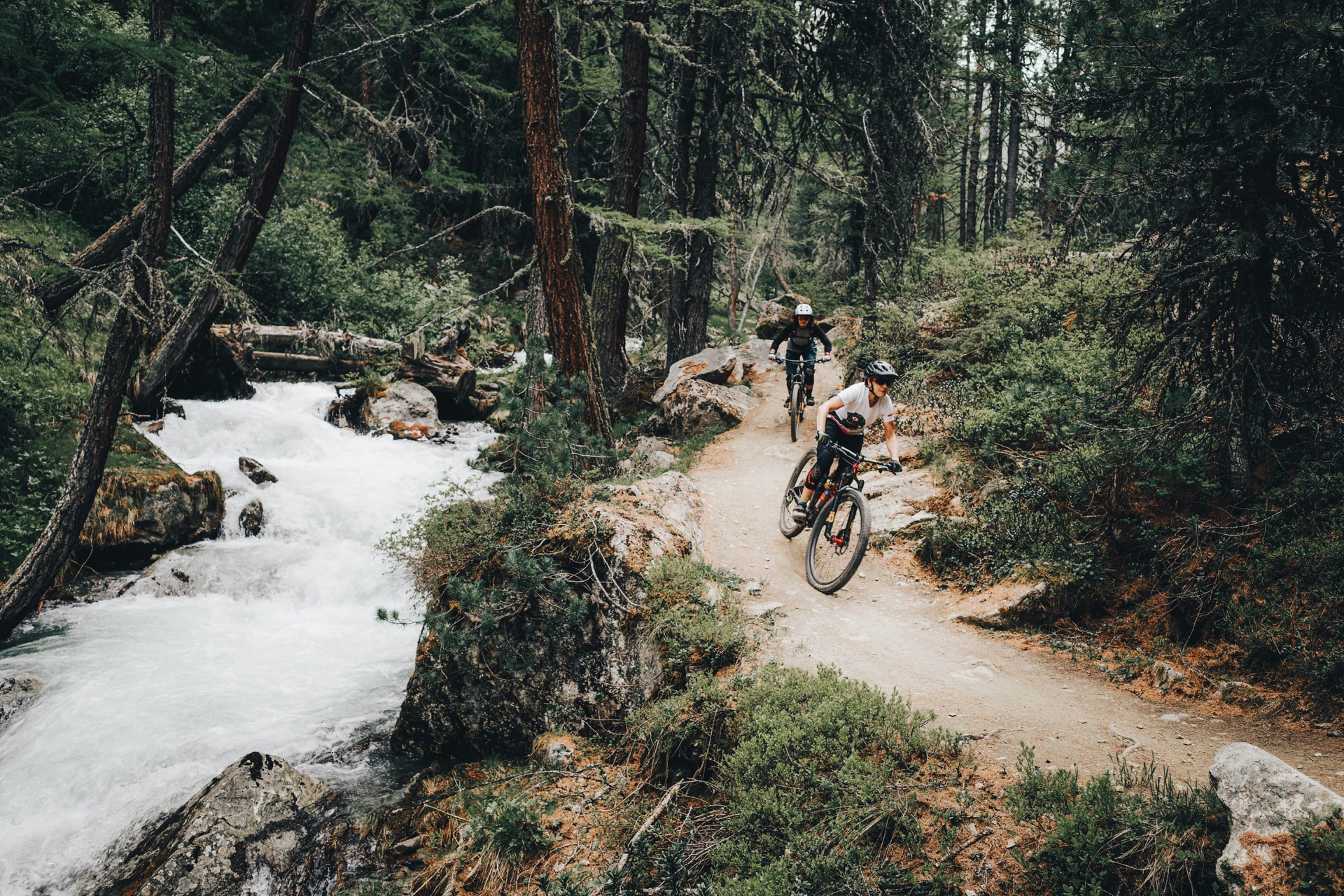
Living in Colorado means your weekends are often busier than your workdays. Whether you are hiking a fourteener, bombing down a singletrack trail on your mountain bike, scrambling up a granite face, or logging long miles as a trail runner, your body works hard to keep up with your adventurous spirit. For many outdoor enthusiasts, one nagging issue can put those adventures on hold: low back pain.
Low back pain is one of the most common complaints we see at Backcountry Physical Therapy, and it does not just affect people who sit all day at a desk. It affects athletes too. In fact, the very activities you love can sometimes aggravate your back if your body is not ready for the demands. The good news is that with the right approach you can address low back pain without relying on painkillers or insurance-based care and get back to doing what you love.
In this article, we will explore:
How a cash-based physical therapy approach helps you recover faster and stay out on the trails
Common causes of low back pain in outdoor athletes
Why Colorado’s terrain can be a blessing and a challenge for your spine
Practical prevention tips for hiking, biking, climbing, and running
Why Low Back Pain Happens in Outdoor Athletes
Low back pain in Colorado Springs can have many origins such as muscle strain, joint irritation, muscular imbalances, or even stiffness in other parts of the body that forces the low back to compensate. For active Coloradans, certain patterns are especially common. Here are some of the most common causes of low back pain:
1. Overuse and Repetition
Climbing a long ascent on a hike or bike ride often involves hours of repetitive spinal movement or sustained posture. Over time, those small stressors add up.
2. Weak or Underactive Core and Glutes
If your core and glutes aren’t pulling their weight, your low back ends up doing more work than it’s built for—especially on steep grades or technical terrain.
3. Limited Hip or Thoracic Mobility
When your hips and upper back can’t move well, your lower back may twist, bend, or extend excessively to make up for it.
4. Poor Technique or Form
Think of the difference between a hiker who leans heavily forward with each step versus one who keeps a strong, upright posture with poles—it matters for the low back.
5. Sudden Spikes in Activity
That first big spring ride or early-season climb after a winter of reduced training is a recipe for overloading your spine.
Colorado’s playground is a blessing for building strength and resilience, but it is also full of variables that can challenge your spine. Steep climbs force you into prolonged forward lean. Rocky, uneven surfaces demand constant balance adjustments. Altitude can zap your energy, making it harder to maintain good form. Variable weather changes trail and rock conditions, affecting how you move. Recognizing these factors helps you prepare smarter and reduce injury risk.

Activity-Specific Low Back Pain Risks and Tips
Hiking
- Common issues: Prolonged uphill leaning, heavy packs, downhill jarring
- Tips:
- Use trekking poles to unload the spine
- Pack light and keep weight close to your center of gravity
- Strengthen hip extensors (glutes, hamstrings) for more uphill power
Mountain Biking
- Common issues: Sustained forward flexion, vibration from terrain, twisting during technical moves
- Tips:
- Adjust bike fit for a neutral spine
- Build core endurance to support your riding posture
- Stand periodically to give your back a break
Climbing
- Common issues: Twisting, arching, and sustained positions while on the wall
- Tips:
- Improve hip mobility so you can pivot from the legs, not the low back
- Train anti-rotation core stability to protect your spine during dynamic moves
- Warm up with spine mobility drills before climbing
Trail Running
- Common issues: Uneven terrain, downhill impact, fatigue-driven form breakdown
- Tips:
- Include single-leg strength work to stabilize the pelvis
- Practice downhill technique to reduce braking forces
- Incorporate trail-specific core work
Preventing Low Back Pain: Your Year-Round Checklist
Whether you're in season or off, injury prevention for outdoor athletes hinges on functional strength and mobility. Our physical therapy clinic in Colorado Springs builds customized plans for active individuals using evidence-based exercises. Prevention is always better than treatment. Keep a year-round checklist:
- Strength Train Regularly
- Focus on glutes, hamstrings, deep core muscles, and upper back.
- Examples: Deadlifts (light to moderate for control), hip thrusts, bird dogs, planks, Pallof presses.
- Maintain Mobility
- Hips: Hip flexor stretches, 90/90 transitions
- Thoracic spine: Open books, foam roller extensions
- Progress Your Activity Gradually
- Avoid big jumps in mileage, elevation, or intensity.
- Dial In Your Technique
- Small changes in posture and movement pattern can reduce strain dramatically.
- Listen to Early Warning Signs
- Tightness, stiffness, or mild soreness is a signal to back off and address the cause—not push harder.
These are signals to address the cause before they turn into a bigger problem.
How Backcountry Physical Therapy Helps
As a cash-based physical therapy clinic in Colorado Springs, we specialize in helping outdoor athletes overcome low back pain without long waits, unnecessary imaging, or insurance red tape.
What that means for you:
- 1-on-1 sessions so we can dive deep into your movement patterns
- Customized exercise plans based on your sport, not a generic sheet of exercises
- Trail- and sport-specific rehab to get you back outside faster
- Hands-on treatment when needed for pain relief and mobility restoration
We understand the demands of hiking, biking, climbing, and running because we live it too. Your therapy won’t just be about getting rid of pain; it will be about making you stronger and more resilient for your next big adventure.
When to Seek Help
See a physical therapist promptly if:
- Pain persists beyond a few days despite rest and gentle movement
- You notice numbness, tingling, or weakness in your legs
- Pain is interfering with sleep or daily activities
- You’ve had repeated episodes of back pain that keep coming back each season
Early intervention means less time sidelined and a faster return to the activities you love.
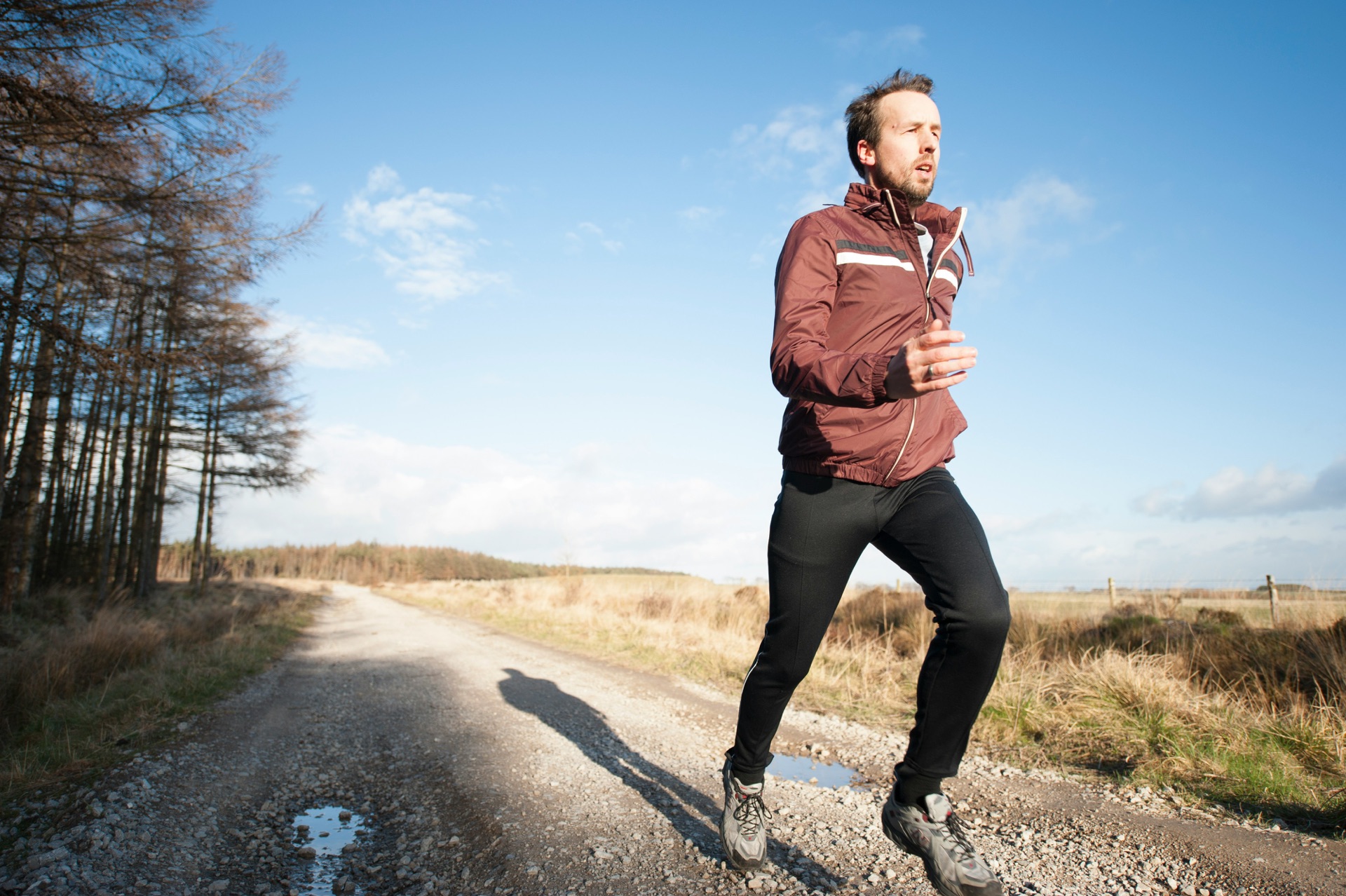
Working toward pain relief in active individuals in Colorado Springs.
Final Thoughts
Low back pain doesn’t have to be the price of what you love to do as an active Coloradian. With the right mix of strength, mobility, technique, and recovery, you can protect your spine and keep pushing for new summits.
At Backcountry Physical Therapy, our mission is to keep you out on the trails, cliffs, and singletracks—not stuck on the couch. If low back pain is slowing you down, let’s work together to get you back to the mountains stronger than ever.
Ready to start your recovery?
Contact Backcountry Physical Therapy, your trusted cash-based physical therapist in Colorado Springs, and start your journey back to the trails—stronger than ever.
📍 Serving runners, hikers, mountain bikers, trail runners, and climbers near Colorado Springs, Manitou Springs, and surrounding areas.
📞 Call us today or 📧 book your evaluation with us to get started with your Colorado Springs medical bike fit (719) 285-9670