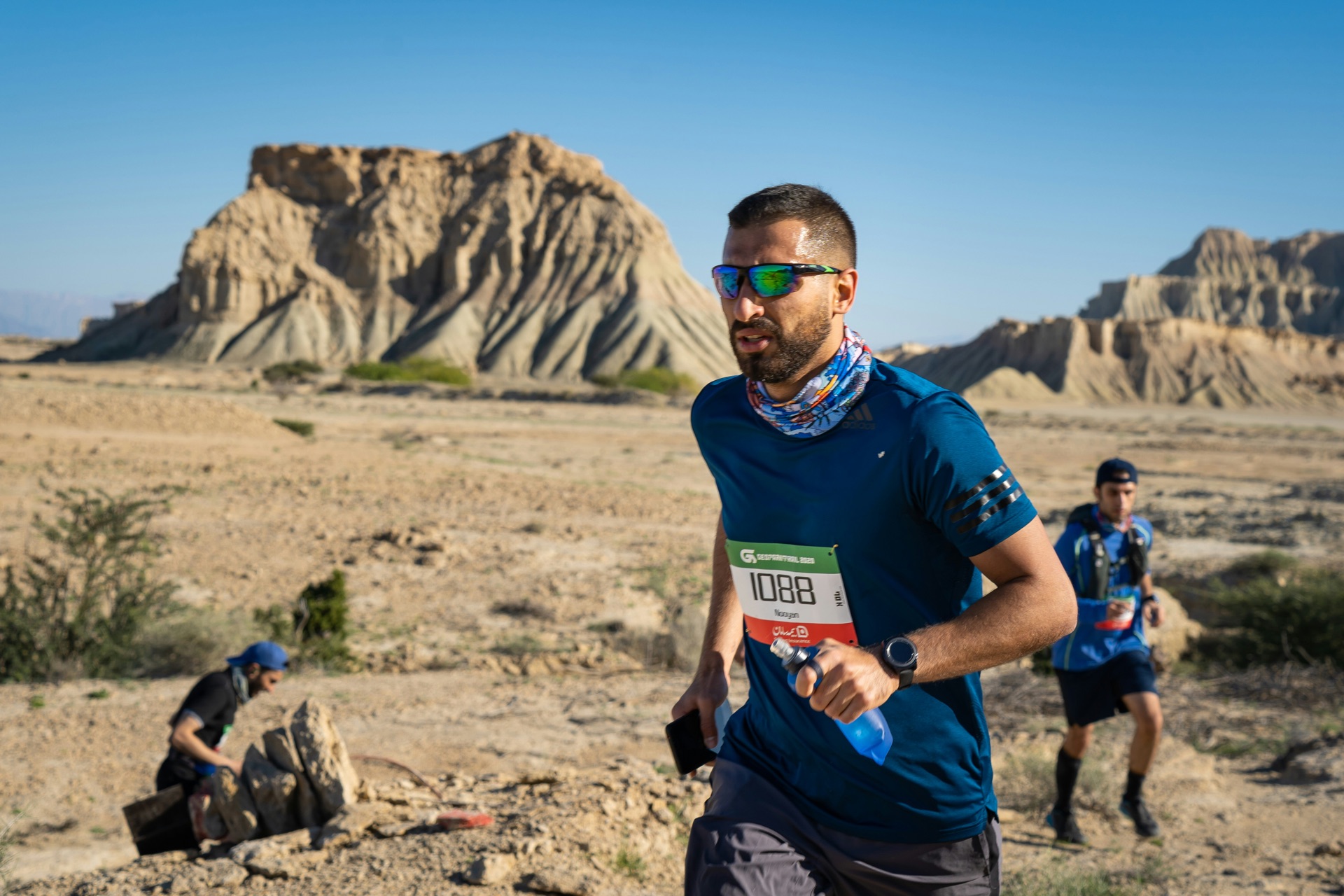
The ultramarathon, any race longer than the traditional 26.2 miles, isn’t just a physical challenge; it’s a test of mental toughness, strategic training, and sustainable recovery. For many trail and mountain athletes, the idea of going from casual runner (or even “couch”) to ultramarathon finisher sounds extreme, but with the right plan, mindset, and injury-prevention strategy, it’s absolutely possible.
At Backcountry Physical Therapy, we’ve worked with runners at every level from 5K beginners to seasoned ultra-distance athletes navigating Colorado’s rugged terrain. This guide breaks down how to safely and effectively transition from shorter distances to your first ultramarathon.
What Makes Ultramarathons Different
Unlike traditional road marathons, ultramarathons often take place on trails, mountain passes, and uneven terrain. That means:
- Slower pace and longer duration
- Elevation changes that challenge your cardiovascular and muscular endurance
- Technical terrain that demands balance, stability, and resilience
- Variable weather and altitude, especially in the Rockies
Training for an ultramarathon isn’t just about logging miles; it’s about building durability in your muscles, joints, and mindset. Thats where finding the right physical therapist in Colorado Springs is important.
Building a Base: Where to Start
If you’re newer to running or coming back from a long break, start by establishing consistency. You don’t need to run long right away; you just need to move regularly.
Phase 1: Build the Habit (Weeks 1–6)
- Run or run/walk 3–4 days per week
- Start with 20–30 minutes and increase by 5–10 minutes per week
- Add 1–2 days of strength training focusing on glutes, quads, hamstrings, and calves
- Include mobility work to address tight hips, ankles, and thoracic spine
Once you can comfortably run for an hour without pain, you’re ready to build distance.
Increasing Volume Safely
The golden rule of running volume is to increase by no more than 10% per week. But ultramarathon training isn’t just about mileage; it’s about managing time on feet and terrain exposure.
Tips for Progressive Loading for an Ultramarathon:
- Alternate long runs with back-to-back days as you get stronger
- Practice on trails if your race is trail-based. Uneven ground strengthens stabilizers and improves proprioception
- Incorporate hiking into long days; it’s not “cheating,” it’s training for efficiency at ultra distances
- Pay attention to vertical gain (climbing and descending); your quads and calves will thank you
Remember, more isn’t always better; consistent, smart training beats random high mileage every time. Suggestions from a physical therapist near Colorado Springs can be helpful when upping your mileage.
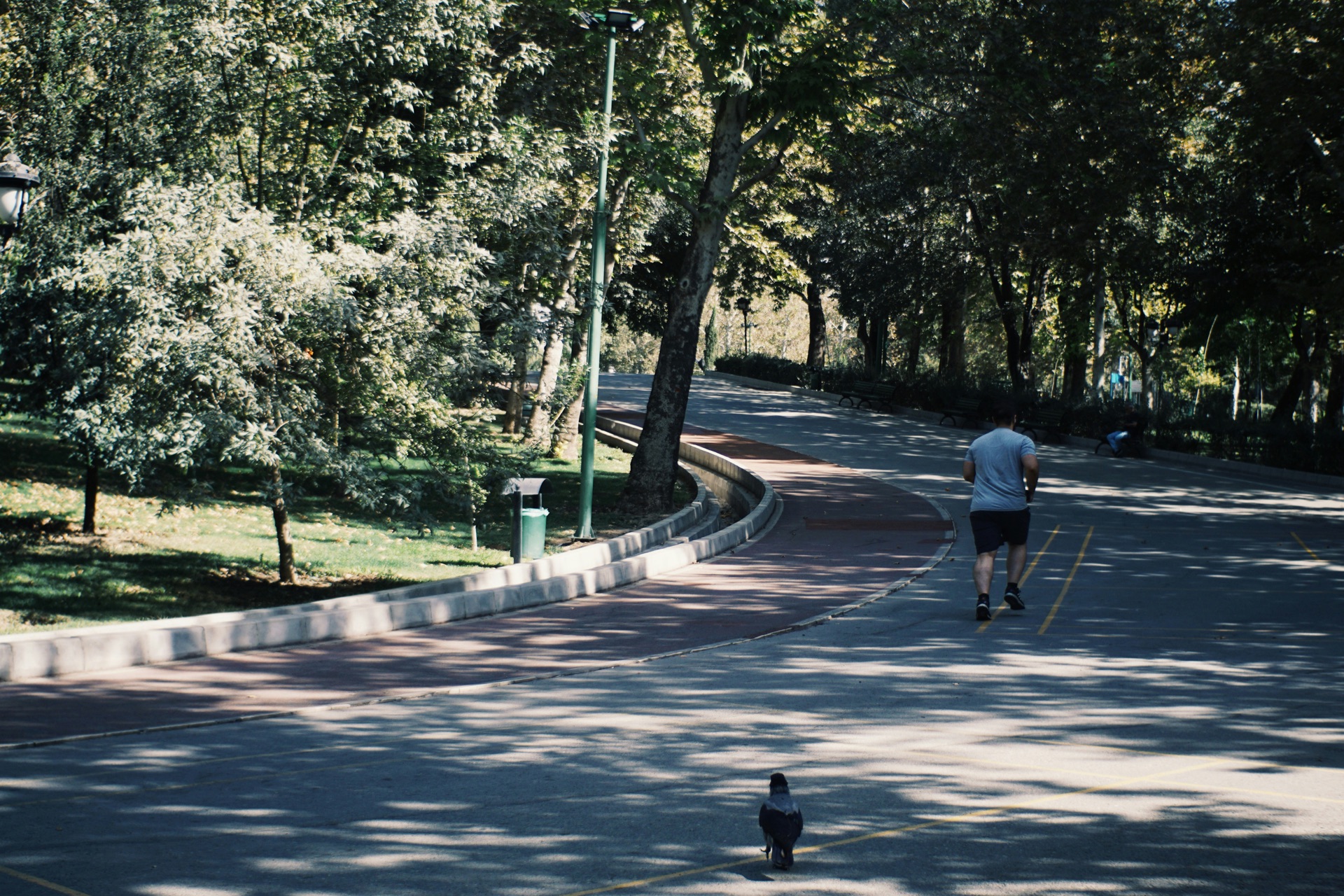
Working toward pain relief in active individuals in Colorado Springs.
Strength Training: The Ultrarunner’s Secret Weapon
If there’s one thing that separates durable ultrarunners from injured ones, it’s strength training. Running long distances requires resilient muscles, tendons, and joints, especially in the hips, knees, and ankles.
Key Focus Areas:
- Glute and hip strength: single-leg RDLs, step-ups, and lateral band walks
- Core stability: planks, anti-rotation presses, and dead bugs
- Lower leg strength: calf raises, tibialis raises, and balance drills
- Eccentric control: slow step-downs to protect knees and quads on descents
Aim for 2 strength sessions per week, and don’t skip them when mileage increases. Strong runners recover faster and handle terrain better.
The Role of Recovery
You can’t train like an ultrarunner if you don’t recover like one. Fatigue management is key to avoiding injury and burnout.
Recovery Essentials:
- Sleep 7–9 hours per night
- Refuel within 30 minutes post-run (protein + carbs)
- Incorporate mobility and soft tissue work
- Schedule cutback weeks every 3–4 weeks to reduce volume by 20–30%
- Use cross-training (cycling, swimming, hiking) to maintain endurance while reducing impact
At Backcountry PT, we emphasize active recovery, moving intentionally to promote circulation and healing rather than complete rest.
Common Injuries in Ultramarathon Training
When mileage increases too quickly, or strength and stability lag behind endurance, certain injuries become more likely:
- Patellofemoral pain (runner’s knee)
- IT band syndrome
- Achilles tendinopathy
- Tibialis posterior tendonitis
- Low back or hip pain from fatigue and instability
The key to avoiding these is early intervention. If pain persists beyond a few runs, it’s worth coming in for physical therapy in Colorado Springs and getting assessed to identify the movement dysfunction behind it, not just the symptom.
Why Work with a Physical Therapist for Your Ultramarathon
As you move from shorter races to ultra distances, having expert support can prevent setbacks. A physical therapist can:
- Identify and correct movement inefficiencies
- Design a strength and stability program specific to trail running
- Help manage training load and recovery
- Treat early signs of injury before they progress
At Backcountry Physical Therapy, we specialize in helping trail and mountain runners stay strong through every phase of their training, so you can train harder, recover faster, and enjoy every mile.
Final Thoughts
Running an ultramarathon isn’t about being superhuman; it’s about being consistent, intentional, and resilient. Whether you’re starting from the couch or transitioning from shorter races, your success depends on balanced training, smart recovery, and strength work that supports your goals.
With patience and a structured plan, you’ll not only cross the finish line, you’ll do it stronger and healthier than ever. Whether you are running the Colorado Cold Rush Ultra, the Stories Ultra, Pikes Peak Ultra, the Leadville Trail 100 Run, or the Hardrock Hundred Mile Endurance Run, we’ve got your back.
We help active people in Colorado Springs, Manitou Springs, Briargate, Falcon, Rockrimmon, and surrounding areas!
📞 Call us today or 📧 book your evaluation with us to get started with your Physical Therapy in Colorado Springs (719) 285-9670