If there’s one supplement that gets talked about more than it deserves to - it’s creatine. Unfortunately, much of that conversation is rooted in myth, not science. Many of us have often heard warnings that creatine is “unsafe,” “hard on the kidneys,” or “just for bodybuilders.” None of that is supported by the mountain of high-quality research. In case you didn’t know, creatine is the most studied supplement of all time. The results? Creatine is one of the safest and consistently effective supplements available, with the potential to benefit literally anyone who exercises.
In this article, I’m going to unpack what creatine actually does, why it’s beneficial for athletes, and what the research really says about any risks. Whether you run, lift, climb, hike, or otherwise move in your life, you should understand how creatine can help why a physical therapist in Colorado Springs would recommend it, and why the fear around it is largely unfounded.
Creatine: The Truth
Creatine is a naturally occurring compound found in small amounts in foods like red meat and fish. It’s also synthesized in the body from amino acids. In humans, creatine is stored primarily in skeletal muscle where it plays a critical role in energy production.
Specifically, creatine helps regenerate ATP (adenosine triphosphate) - the molecule your cells use for energy. Creatine is mostly used during high-intensity efforts (think sprinting, jumping, weightlifting, and rapid accelerations in sports), before our other energy systems kick in. Having increased creatine stores helps replenish ATP faster so you can produce more force, more power, and do more quality reps or high-intensity efforts.
In practical terms:
- More creatine stores = more readily available ATP = better performance
- Better performance = more stimulus for adaptation = stronger, faster, and maybe a happier you
That’s why creatine is such a powerful tool for athletes in Colorado Springs.
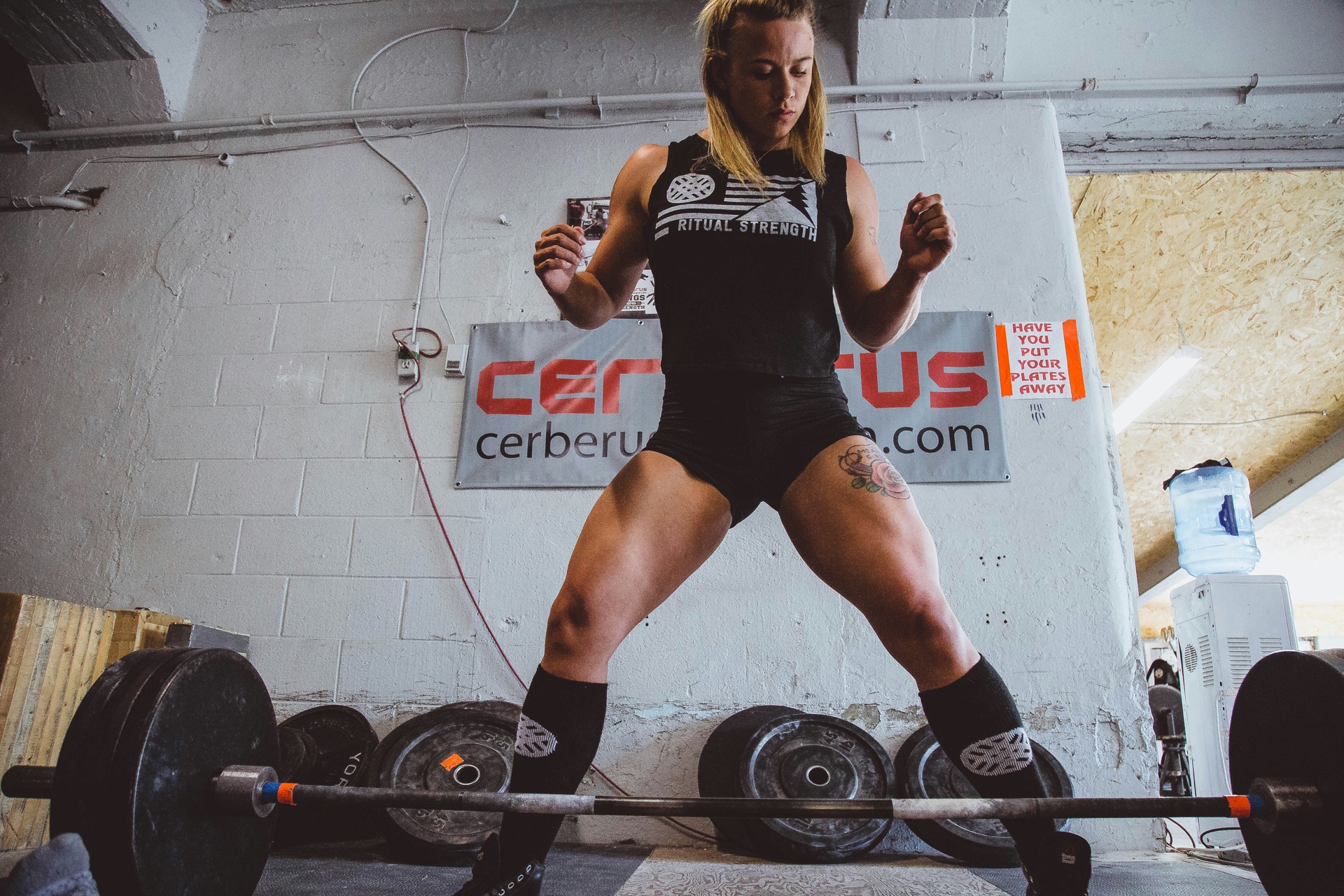
Creatine isn’t just for the gym
One of the most persistent myths about creatine is that it’s only useful for bodybuilders or strength athletes near Colorado Springs. That’s simply not true.
Creatine has been shown to benefit:
- Strength athletes (obvious, but important)
- Power athletes (sprinters, jumpers)
- Team sport athletes (soccer, football, rugby)
- Endurance athletes in high-intensity intervals
- Older adults to preserve strength and muscle mass
- Rehabilitation populations to improve strength outcomes
Creatine’s mechanism of increasing your stores of available energy has been shown to assist both strength and endurance athletes, as it decreases the demands on our glycolytic and aerobic energy systems.
In addition, creatine will increase the value of your supplemental strengthening (which I hope you are doing!), leading to an overall increase in athletic performance due to increased baseline strength. It’s easy to see how creatine can benefit anyone who cares about their ability to exercise.
What the research actually says
That all sounds nice, but here is the proof behind what I’m saying. Again, there are hundreds of clinical studies on creatine, more than any other supplement, and the evidence is overwhelmingly positive. I want to highlight a few key points:
1. Creatine Improves Strength and Power
Multiple meta-analyses show that creatine increases maximal strength and power outputs compared to placebo by a significant margin. One review found creatine supplementation improved bench press strength by ~8% and squat strength by ~14% more than placebo. (1)
2. Creatine Increases Lean Body Mass
Creatine supplementation consistently results in greater gains in lean mass compared to training alone. This effect is believed to be a mix of increased water in muscle cells initially (a normal response) and true muscle growth over time. (2)
3. Creatine Enhances High-Intensity Performance
In repeated sprint activities, short bursts, and interval training, creatine clearly improves performance and recovery between bouts of effort. This is useful not just for lifting, but for sprint intervals, agility drills, and sport-specific training in Colorado Springs. (3)
4. Creatine Helps with Recovery and Rehabilitation
Creatine has been shown to attenuate muscle damage and inflammation after intense exercise, helping athletes recover faster between sessions. It also shows benefits in clinical populations for preserving muscle and strength during periods of immobilization or reduced activity. (4)
Is creatine safe? The short answer: Yes
One of the biggest barriers athletes face with creatine is safety concerns - particularly myths about kidney damage, dehydration, or gastrointestinal issues. Let’s look at what the science says:
Kidney Function
Creatine has not been shown to harm kidney function in healthy individuals, even with long-term use. Numerous studies, including those lasting multiple years, demonstrate no negative effects on kidney health in athletes supplementing with creatine. (5)
Hydration and Heat Illness
There’s no significant evidence that creatine increases risk of dehydration or heat-related illness. In fact, under controlled conditions, creatine may improve thermoregulation and cellular hydration. (6)
Gastrointestinal Tolerance
Some people experience mild stomach discomfort if they take very large doses at once, or use a lower quality supplement. However, slowly increasing one’s intake, spreading out your doses, and taking it with food can help manage this. In the interest of honesty, I have personally experienced this one. The above suggestions have worked for me, as well as avoiding it before I lift weights.
Long-Term Use
Creatine is one of the most studied supplements in sports nutrition. Decades of research and hundreds of clinical trials consistently demonstrate its safety and efficacy in healthy adults near Colorado Springs.
So why the confusion?
Part of the issue is that creatine became famous in the 1990s, around the same time that fitness culture was rising and misinformation proliferated in gyms and online. Even now, outdated beliefs persist despite decades of research disproving them.
Another area of confusion regarding creatine is actually whether or not it helps at all. Again, creatine is proven effective, but that level of efficacy is not monumental. Chronic and consistent creatine supplementation will result in a modest improvement in strength, but it is not going to wire you like an energy drink or result in massive gains in strength like anabolic steroids. Most likely, you won’t really notice more than a subtle boost in your strength and power over time. That’s okay, though! Creatine supplementation is an investment that will pay off, just don’t expect anything flashy.
Again, the power of creatine is that it is both totally safe and works, unlike dangerous drugs that will improve your performance at the cost of your health or possibly your life.
But why do I need to supplement it? Can’t I just get it from my food?
While it is technically possible, it is more meat/fish than almost any person is willing to eat or spend money on in a day. For example, you would need to eat about 2.5 lbs of steak every day to get 5g of creatine (assuming you don’t cook it too much, as cooking your meat destroys the creatine!). That tiny scoop of flavorless powder is way easier to stomach, and will be a fraction of the cost.
For anyone who is plant-based, creatine has the potential to result in dramatic improvements in performance and even cognition due to the fact that your creatine intake is essentially zero without a supplement.
How to take Creatine: Practical Dosing
If you decide to supplement with creatine, here are practical guidelines based on research and common practice:
Standard Daily Dose
- 5 grams per day of creatine monohydrate is the simplest and most evidence-based approach.
This dose is effective for improving performance, increasing strength, and supporting muscle adaptation without complicated loading phases.
Some athletes choose a loading phase of 20 grams per day (split into 4 doses) for 5–7 days to saturate muscles faster. That can work, but it’s not necessary - especially if you’re planning to supplement consistently over the long-term.
Timing
Timing isn’t critical. Taking creatine with a meal, post-workout, or really any time daily will work. What matters more is consistency over weeks and months, not the clock.
Form
Creatine monohydrate is the gold standard. It’s the most studied form, most cost-effective, and has the best evidence behind it. Other forms exist, but they generally offer no clear advantage over monohydrate.
Bottom Line
Creatine is not a dangerous or experimental supplement — it’s one of the most researched and safest ergogenic aids available. The myth that it’s unsafe hasn’t held up to decades of science.
Whether you’re a runner, lifter, climber, hiker, or endurance athlete, creatine can help you train harder, recover faster, and adapt more effectively to your training in Colorado Springs.
Here’s what the research supports:
- Creatine improves strength and power beyond training alone.
- It increases lean muscle mass with regular use.
- Creatine enhances high-intensity performance and recovery.
- Creatine is safe for healthy athletes when taken appropriately.
If you’re training seriously and want to improve performance, 5 grams of creatine monohydrate per day is a simple, effective, and evidence-based starting point.
We proudly serve active individuals in Colorado Springs, Manitou Springs, Briargate, Falcon, Rockrimmon, and surrounding areas.
📞 Call us today or 📧 book your evaluation to get started with Physical Therapy near Colorado Springs: (719) 285-9670