Knee pain is one of the most common complaints we see at Backcountry Physical Therapy here in Colorado Springs. Whether you’re a runner training for your next race, a hiker logging miles in the Rockies, or a skier prepping for winter season, knee pain can quickly put your goals on hold.
But here’s the surprising truth: the root cause of knee pain often isn’t the knee at all; it’s often the hip.
Weakness in the hip muscles, especially the glutes, plays a major role in many knee injuries. In this article, we’ll break down how hip weakness causes knee pain, why it matters for Rocky Mountain athletes in Colorado Springs, and what you can do to fix it.
Why Knee Pain Is So Common in Athletes
The knee joint is often the victim, not the culprit. It sits between the hip and ankle, which means it takes the forces from both above and below. When the hip muscles (or ankle muscles– more on that in a separate post) aren’t strong enough to control movement, the knee pays the price.
Common knee problems linked to hip weakness include:
- Patellofemoral Pain Syndrome (Runner’s Knee) – pain around or behind the kneecap
- IT Band Syndrome – irritation on the outside of the knee
- Tendonitis – inflammation of the patellar tendon
Early Degenerative Changes – increased wear and tear over time
The Hip-Knee Connection: How Weak Hips Affect Movement
Your hips are home to some of the most powerful muscles in your body: the gluteus maximus, gluteus medius, and deep rotators. These muscles aren’t just for power; they provide stability and assist in alignment for your legs during every step, squat, or jump.
When the hips are weak, here’s what happens:
When hips are weak, the quads, calves, and even the feet/ankles try to compensate. Over time, this overload can cause irritation and inflammation.
1. Poor Control of the Femur (Thigh Bone)
Weak glutes allow the thigh to rotate inward when you land or push off. This increases stress on the knee joint and pulls the kneecap out of its natural alignment.
2. Knee Valgus (“Knock-Knee” Position)
Without hip stability, the knees collapse inward during movement. This valgus position is a major risk factor for knee pain and even ACL tears.
3. Increased Stress on the Patellofemoral Joint
The kneecap is meant to glide smoothly as you bend and straighten your knee. But if the femur collapses inward, the kneecap tracks poorly, causing pain in the front of the knee.
4. Compensation Down the Chain
When hips are weak, the quads, calves, and even the feet/ankles try to compensate. Over time, this overload can cause irritation and inflammation.
Real-Life Example: A Trail Runner with Knee Pain
Let’s say you’re running down a technical Colorado trail. Each step requires your hips to stabilize your pelvis and control your femur. If your hips are weak, your knees collapse inward, and the stress goes straight to the knee joint.
This doesn’t just cause pain, it also makes you more vulnerable to injuries like IT band syndrome or patellar tendonitis.
Signs Your Knee Pain May Be Coming from Weak Hips
Wondering if hip weakness is behind your knee pain? Here are some common signs:
- Your knees collapse inward when you squat, lunge, or land from a jump
- You feel knee pain after running downhill or hiking long descents
- Your legs cross over one another while running (like running on a tight rope vs train tracks)
- Your hips feel weak or fatigued on long runs, hikes, or bike rides
- You notice uneven wear on your running shoes
- You’ve been told you have “runner’s knee” or “patellofemoral pain”
How Physical Therapy Can Help
At Backcountry Physical Therapy, we specialize in working with Rocky Mountain athletes, such as (but not limited to) runners, trail runners, hikers, bikers, and skiers. Our job isn’t just to treat pain; it’s to find the root cause.
When it comes to knee pain, that often means testing hip strength and stability. In our evaluations, we look at:
- Glute activation – Are your glutes firing properly?
- Single-leg stability – Can your hips control your knee during running or hiking?
- Movement patterns – How do you squat, lunge, or step down from a rock?
Once we know where the breakdown is, we design a custom program to restore hip strength, stability, improve mechanics, and keep you moving pain-free through physical therapy in Colorado Springs.
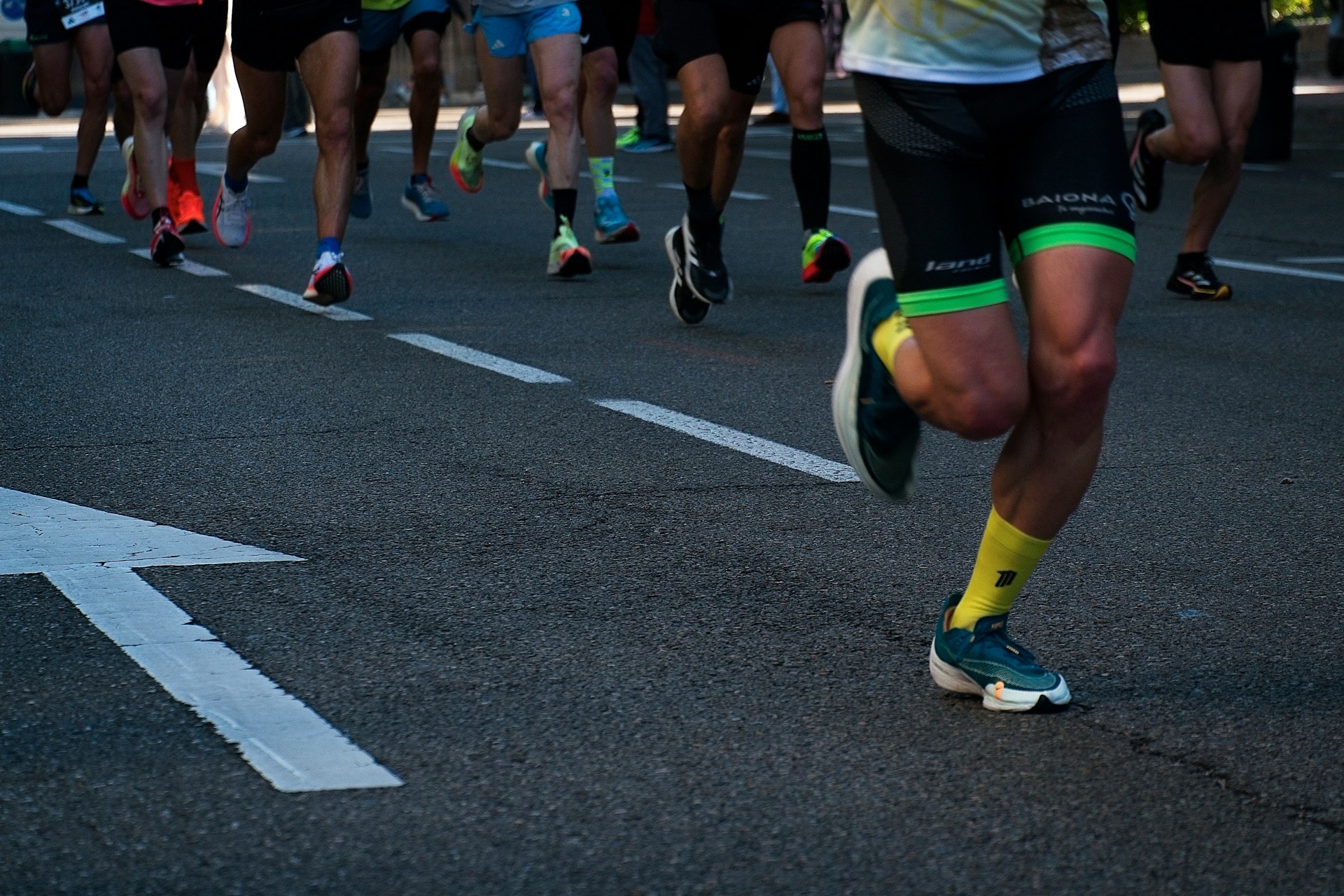
Working toward pain relief in active individuals in Colorado Springs.
Best Hip Strengthening Exercises for Knee Pain
If you’re dealing with knee pain, hip strength should be a priority. Here are some of our favorite exercises:
- Single-Leg Bridges with heels elevated on a block
- Build glute max strength and improve hip extension power.
- Monster Walks with a Band
- Train dynamic hip stability and control knee alignment.
- Single-Leg Deadlifts
- Challenge hip strength, balance, and coordination all at once.
- Step-Ups or Step-Downs
- Mimic hiking, trail running, and downhill movement demands.
(Note: Exercises should always be tailored to your body and goals. If pain persists, consult with a physical therapist before pushing through.)
Preventing Knee Pain as a Rocky Mountain Athlete
If you love running, hiking, or skiing, you can’t afford to ignore hip strength. Here are a few prevention strategies we recommend to our athletes:
- Incorporate hip strength work 2–3x/week – Don’t just run or ride; train your support system.
- Balance strength front-to-back – Quads are important, but glutes and hamstrings protect the knees.
- Don’t skip mobility – Hips and ankles need mobility to allow the knees to move freely.
- Train single-leg control – Running, hiking, and skiing are all single-leg sports.
- Listen to your body – Knee pain isn’t normal. Address it early before it becomes chronic.
When to See a Physical Therapist
If your knee pain:
- Lasts more than 2 weeks
- Keeps coming back
- Limits your ability to do the activities you love
- Is accompanied by swelling or instability
…it’s time to get checked out.
At Backcountry Physical Therapy, we help athletes get back to the activities they love without relying on pain meds, injections, or surgery through physical therapy in Colorado Springs. Our cash-based model means you get one-on-one care and treatment tailored to your specific goals without the limitations of insurance.
Final Thoughts
Knee pain is frustrating, but the good news is it’s often preventable. By strengthening your hips and improving movement control, you can reduce stress on your knees and keep enjoying Colorado’s trails, peaks, and slopes.
If you’re dealing with knee pain and suspect hip weakness is part of the problem, we’d love to help without surgery, but with physical therapy in Colorado Springs.
👉 Ready to get back to pain-free adventure? Contact Backcountry Physical Therapy today and let’s keep you moving strong in the Rockies.
📞 Call us today or 📧 book your evaluation with us to get started with your Colorado Springs medical bike fit (719) 285-9670