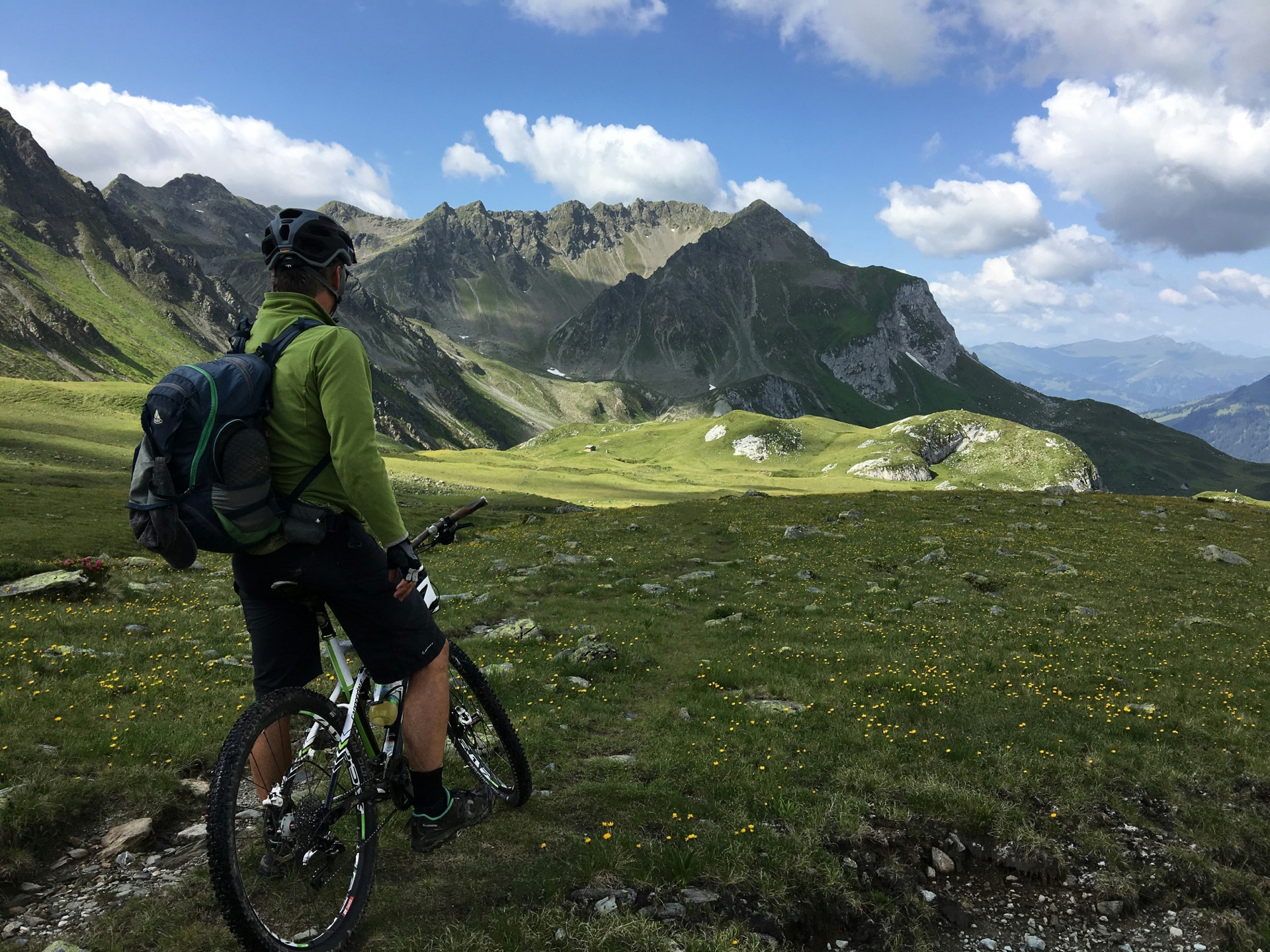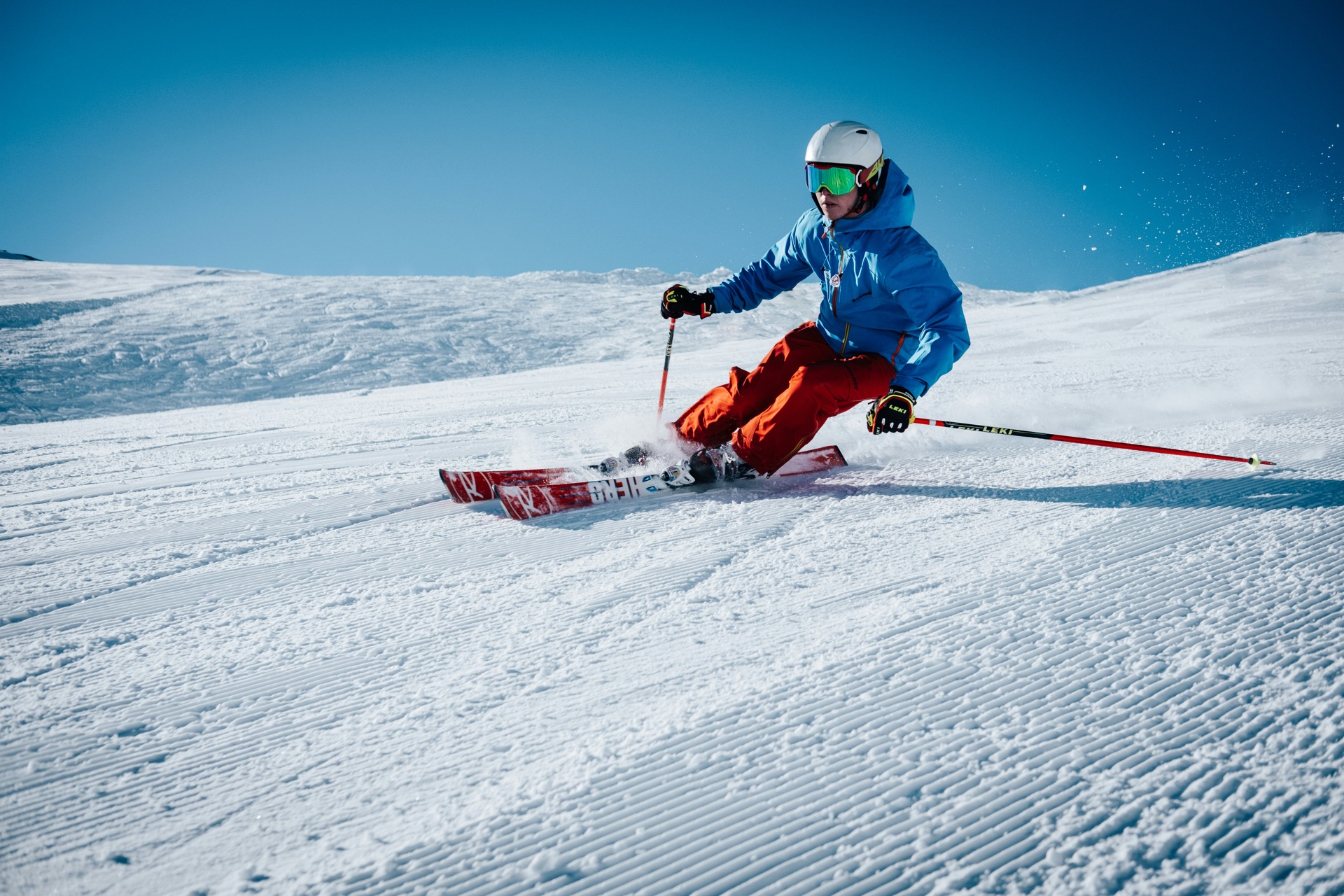
Training in Colorado comes with a unique advantage: altitude. At elevations above 6,000 feet, the air is thinner, oxygen levels are lower, and your body has to work harder to perform the same activity compared to sea level. That’s why elite runners, cyclists, and endurance athletes often come to Colorado Springs or other mountain towns to gain a performance edge and physical therapy may be able to help you.
While altitude training is known for improving cardiovascular fitness, many athletes overlook its impact on the body and the musculoskeletal system. If you’re a runner, hiker, climber, or skier, understanding how altitude affects your body can help you prevent injuries, recover faster, and train smarter.
At Backcountry Physical Therapy, we work with athletes every day, and we’ve seen firsthand how altitude influences the way joints and muscles respond to training. This post will break down what happens in your body at altitude, the specific effects on your joints and muscles, and how to adapt your training to thrive at elevation in Colorado Springs.
The Basics: What Happens to Your Body at Altitude
At higher altitudes (above ~5,000 feet), the air pressure is lower, which means there’s less oxygen available with each breath. To compensate, your body makes a series of adjustments:
- Increased breathing rate (hyperventilation) to take in more oxygen
- Higher heart rate at rest and during exercise
- Reduced exercise capacity (you’ll fatigue faster until acclimated)
- Over time, increased red blood cell production, which improves oxygen delivery
These changes are well-known in the endurance world, but for outdoor athletes, the musculoskeletal effects are just as important. That is why we take this into account when you come in for physical therapy near Colorado Springs.
How Altitude Training Affects Your Joints
1. Increased Joint Stress from Fatigue
- Because your body fatigues faster at altitude, your movement patterns can break down more quickly. For runners, this often means overstriding or collapsing at the hip, which increases stress on the knees, ankles, and hips. For hikers, runners, and climbers, fatigue can lead to less controlled foot placement, raising the risk of ankle sprains.
2. Dehydration and Joint Lubrication
- Altitude causes you to lose more fluids through breathing and sweat. Even mild dehydration can reduce the synovial fluid that lubricates your joints, leading to stiffness or achiness. Over time, this can make old injuries flare up.
3. Increased Impact Loads
Running downhill at altitude is particularly tough on joints. The combination of thinner oxygen, steeper terrain, and muscular fatigue means joints like the knees absorb more repetitive shock.
How Altitude Training Affects Your Muscles
- Quicker Muscle Fatigue
- With less oxygen available, your muscles rely more heavily on anaerobic metabolism. This leads to faster buildup of lactate and quicker fatigue. For athletes not acclimated to altitude, muscles may feel heavy, tight, or sore after workouts that would feel easy at sea level.
- Delayed Recovery
- Because of increased stress and reduced oxygen availability, muscle recovery at altitude takes longer. Microtears (soreness) from training may linger if recovery strategies aren’t optimized.
- Greater Demand on Stabilizing Muscles
- At altitude, especially on technical trails or while skiing, your stabilizing muscles (glutes, calves, tibialis posterior, hip abductors) have to work harder to maintain balance. If these muscles aren’t conditioned, overuse injuries like IT Band Syndrome, Achilles tendinitis, or plantar fasciitis become more likely.
- Potential for Muscle Atrophy
- Research shows that prolonged exposure to high altitude can actually cause muscle wasting due to reduced oxygen availability and appetite suppression. This is more common in extreme alpinists, but even recreational athletes training heavily at altitude may notice reduced muscle bulk if nutrition and recovery aren’t prioritized.
Common Altitude-Related Injuries in Rocky Mountain Athletes
At Backcountry PT, the most common issues we see in athletes who regularly train at altitude include:
- Runner’s knee (patellofemoral pain syndrome) from altered mechanics and downhill running
- Ankle sprains from fatigue-related missteps on uneven terrain
- Shin splints and tibialis posterior tendinitis from increased impact loads without adequate recovery
- Achilles tendinitis and calf strains due to higher demands on the lower leg during climbing and running
- Low back pain from carrying heavy packs while hiking or skiing at elevation
How to Protect Your Joints and Muscles While Training at Altitude
1. Prioritize Strength Training
- Strength is your best defense against altitude-related fatigue. Focus on:
- Glute medius and maximus → for hip stability
- Calves and tibialis posterior → for ankle support
- Core strength → for posture and efficiency
- Eccentric training (especially quads) → to handle downhill stress
2. Increase Training Volume Gradually
- If you’re new to Colorado or training at a higher altitude than usual, give your body at least 2–3 weeks to acclimate before ramping up intensity.
3. Hydrate More Than You Think
- Aim to drink consistently throughout the day, not just during workouts. Electrolytes are key, especially for long runs or hikes.
4. Fuel for Recovery
- Muscle breakdown happens faster at altitude, so recovery nutrition (protein + carbs) becomes even more critical. Don’t skip post-training meals.
5. Include Balance and Proprioception Drills
- Single-leg balance, agility, and plyometric drills help prepare stabilizing muscles for the unpredictable demands of mountain terrain.
6. Use Active Recovery
- Because recovery in Colorado Springs is slower, light activities like walking, cycling, or gentle mobility on rest days help maintain mobility and circulation without overloading the joints.
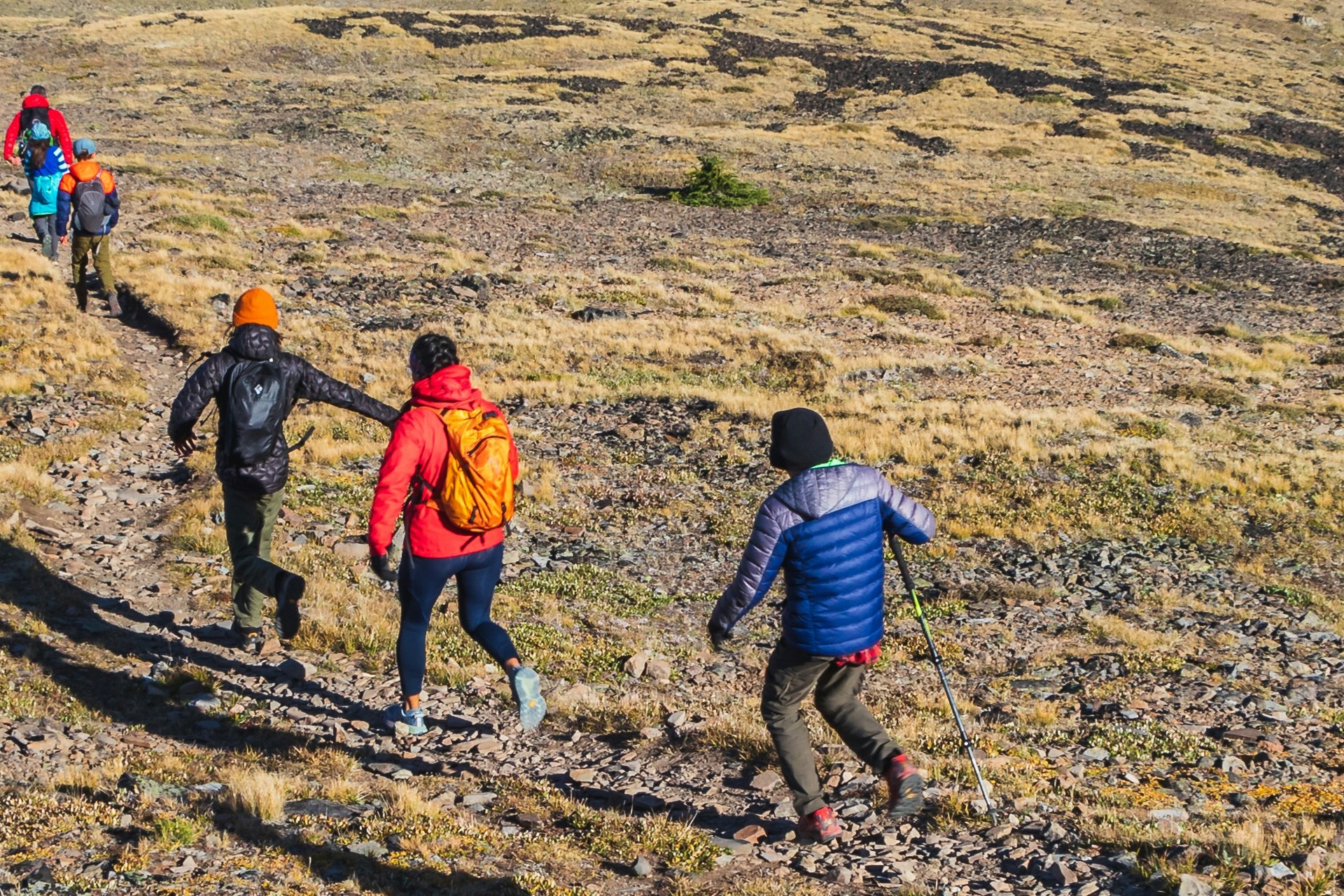
Working toward pain relief in active individuals in Colorado Springs.
When to See a Physical Therapist
If you notice persistent pain in your knees, ankles, hips, or back while training at altitude, it may not just be “normal soreness.” You should see a Physical Therapist in Colorado Springs if:
- Pain limits your ability to train or perform
- You’ve had multiple ankle sprains or flare-ups of the same injury
- You feel unstable or weak during downhill or long-duration efforts
- You want a structured plan for strength and mobility at altitude
At Backcountry Physical Therapy, we specialize in helping athletes adapt to the unique demands of training at elevation. Our cash-based model allows us to work one-on-one with runners, skiers, climbers, and hikers to build resilience, prevent injury, and maximize performance.
Final Thoughts
Altitude training offers incredible benefits for endurance and performance, but it also places extra demands on your joints and muscles. By understanding how your body responds at elevation, building a strong foundation, and prioritizing recovery, you can thrive on Colorado’s trails, slopes, and summits without injury.
👉 If you’re an athlete training at altitude and struggling with pain or recurring injuries, reach out to Backcountry Physical Therapy. We’ll help you recover, adapt, and perform at your best in the mountains you love.
📞 Call us today or 📧 book your evaluation with us to get started with your Physical Therapy in Colorado Springs (719) 285-9670