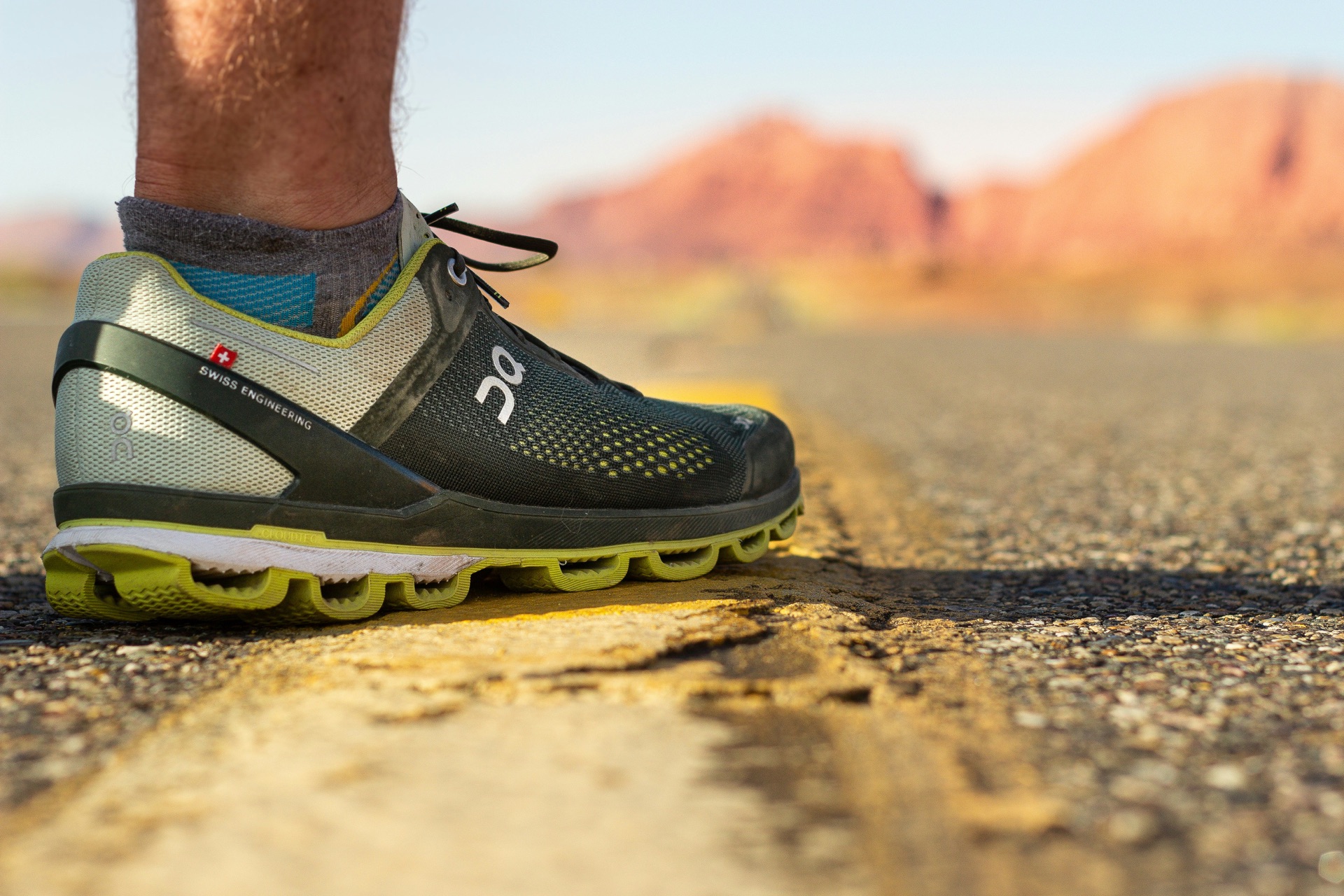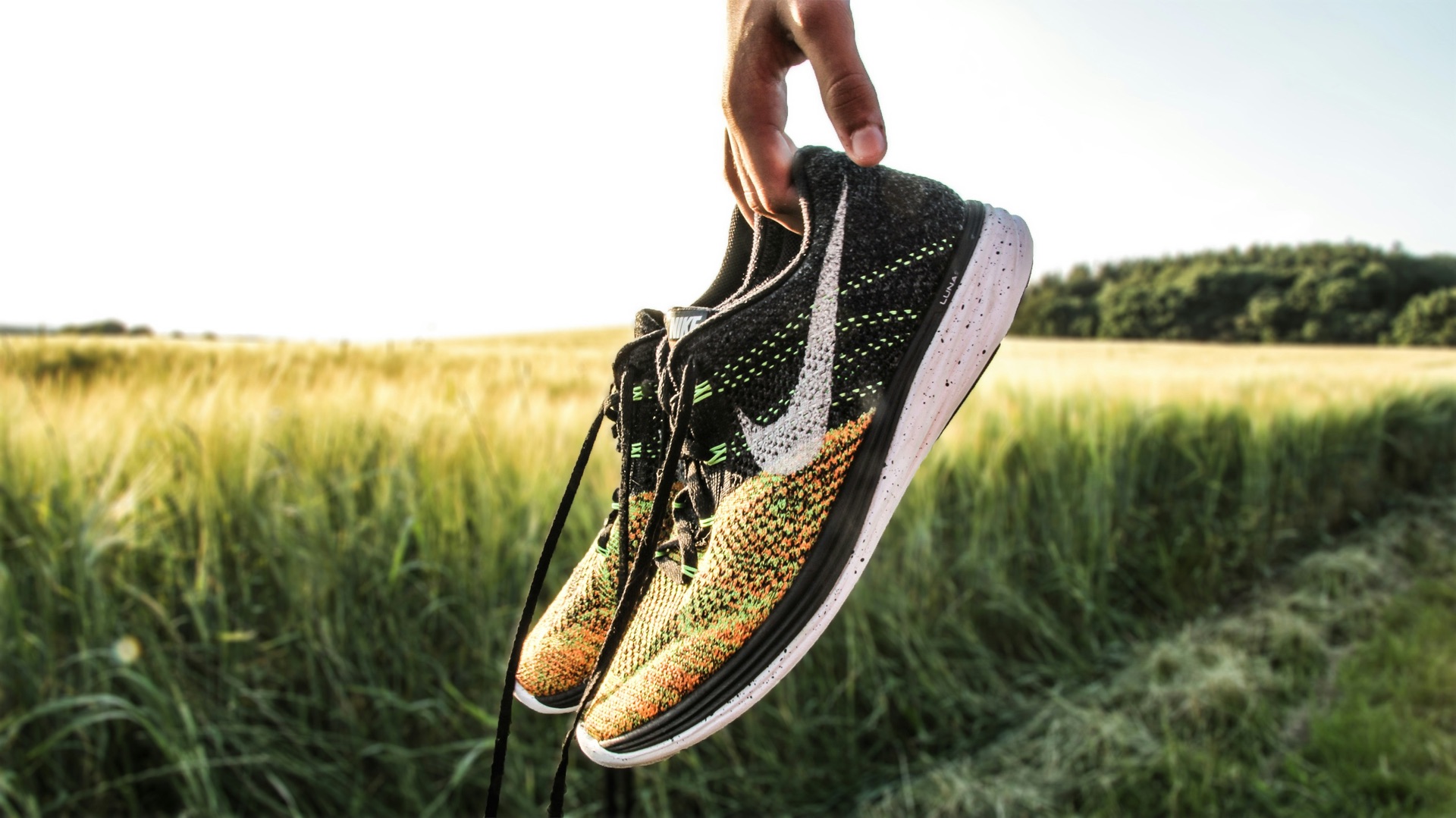
Whether you are lacing up for your first 5K, training for an ultramarathon, or exploring local trails, one thing holds true: your shoes matter more than you think. At Backcountry Physical Therapy, we work closely with runners and trail athletes. We have seen firsthand how the right (or wrong) footwear can influence performance, pain, injury risk, and recovery. This guide is designed to help runners and trail runners understand what to look for when choosing proper running shoes. We will break down how shoes are structured, common mistakes to avoid, and how your foot type, running style, and terrain should shape your decision.
Why Running Shoes Matter
Running is a repetitive motion. The average runner takes about 1,500-1,800 steps per mile. Multiply that by your weekly mileage in Colorado Springs, and it’s easy to see how even small issues can compound quickly. Wearing the wrong shoes is one of the most common contributors to overuse injuries.
Common overuse injuries include:
- Plantar fasciitis
- Achilles tendinopathy
- Shin splints (medial tibial stress syndrome)
- Metatarsalgia (toe pain) and stress fractures
- Patellofemoral pain
- IT band syndrome
However, it is important to note that shoes are not the only factor that contributes to injury; training load, strength, and biomechanics matter too. Your footwear is one of the easiest and most impactful things to adjust for Colorado athletes.
Understanding the Parts of a Running Shoe
Before you start shopping, it helps to understand the structure of a running shoe. Key parts include:
- Heel-to-Toe Drop: The height difference between the heel and forefoot. Ranges from 0 mm (zero-drop) to 12 mm or more
- Cushioning: How soft or firm the midsole feels. More cushioning absorbs shock but can dull ground feel
- Midsole: The foam layer between the outsole and upper. Key to shock absorption and energy return
- Outsole: The bottom of the shoe, often made of rubber. Traction matters here, especially on trails
- Toe Box: The front of the shoe. A wider toe box allows the forefoot to splay naturally
Understanding these parts makes it easier to compare shoes and figure out which features best support your goals whether it is trail running, road running, or hitting the track.
Understand Your Foot Type
Your foot structure influences how your body absorbs shock and stabilizes during movement. You can get a general idea of your arch height with the "wet test."
The Wet Test:
Step onto a paper bag or concrete with wet feet and observe your footprint.
- Flat Foot/Low Arch: The print shows almost the entire foot. This often comes with overpronation (foot rolls inward)
- Neutral Arch: The middle of the foot is partially filled in; likely a more neutral gait
- High Arch: The print shows the heel and forefoot with a narrow band connecting them. Often associated with supination (foot rolls outward)
While this test gives a general idea, it is not definitive. A physical therapist evaluation offers a more accurate assessment to match your running shoes to your biomechanics. Your foot type should be considered alongside your injury history, movement patterns, and comfort preferences.

Working toward pain relief in active individuals in Colorado Springs.
Consider the Terrain
Road running and trail running demand different things from a shoe.
Road Running:
- Focus on lightweight cushioning, shock absorption, and smooth heel-to-toe transitions.
- Prioritize breathability and comfort over rugged durability.
- Outsoles are often smoother since traction is less of a concern.
Trail Running:
- Look for aggressive tread patterns for grip on dirt, rocks, and mud.
- Prioritize foot protection with features like rock plates, reinforced toe boxes, and weather-resistant uppers.
- Stability is key, especially on uneven ground.
Hybrid:
- Some hybrid models offer moderate tread and versatility for both pavement and trail.
- These shoes are typically less specialized
For Colorado athletes who run both surfaces, rotating shoes for road and trail conditions is ideal.
Match the Running Shoes to Your Running Style
Heel Striker vs. Forefoot Striker
- Heel strikers usually benefit from more cushioning in the rearfoot and a higher drop (8–12 mm)
- Midfoot or forefoot strikers may prefer a lower drop (0–6 mm), giving a more natural feel and better proprioception
Consider where and how your foot contacts the ground and how that might affect the demands on your joints and tissues.
Heel Drop and Minimalism
Heel-to-toe drop is one of the most misunderstood features in running shoes. A higher drop can reduce strain on the Achilles and calves and is often preferred by heel strikers or runners in Colorado with limited ankle mobility. A lower drop encourages a more natural gait and increases activation of the foot and lower leg muscles. However, it also increases the demand on the calf and Achilles. If you are transitioning to a lower drop or more minimalist shoe, build up slowly over 6 to 8 weeks to avoid overload injuries.
Prioritize Fit Over Everything
The best shoe for runners in Colorado Springs is the one that fits your foot well. Prioritize fit above all other features, including brand or style. There should be about a thumb’s width of space between your longest toe and the front of the shoe. The toe box should allow your forefoot to spread naturally. The heel should be secure without slipping, and the midfoot should feel supported but not tight. Try shoes on later in the day when your feet are more swollen, and bring the socks and orthotics you usually run in. Discomfort in the store rarely disappears on the run.
Understand Running Shoes Lifespan
Running shoes do not last forever. Most shoes are good for 300 to 500 miles, depending on your weight, running surface, and shoe materials. Trail shoes often wear out faster when used on pavement. Signs that it is time for a new pair include flattened cushioning, uneven outsole wear, and unexplained aches and pains. If your once-supportive shoes feel dead or flat, it is probably time to replace them.
What About Carbon-Plated Shoes?
Carbon-plated shoes are popular among competitive road runners. They contain a stiff carbon plate that helps propel the foot forward during push-off. While they can improve efficiency and speed, they are not ideal for everyone. They are best saved for race day or fast efforts. These shoes often increase load through the calves and Achilles, and they offer little stability on trails or uneven ground. If you are newer to running or managing a lower leg injury, these running shoes in Colorado Springs may not be the right fit.
Common Mistakes to Avoid When Choosing Running Shoes
Do not buy shoes based solely on appearance, reviews, or trends. A highly rated shoe may not match your needs. Avoid staying loyal to the same shoe model or brand year after year without reassessing your movement or goals. Do not rush into a minimalist shoe without gradual adaptation, and never ignore early signs of discomfort, assuming it will get better with time. Also, using trail shoes for road running or vice versa often leads to unnecessary wear and reduced performance. Choose a shoe that fits the conditions you train in most often.
When to See a Physical Therapist
If you are experiencing persistent pain, recurring injuries, or have confusion about what shoe fits you best, a physical therapist can help. A gait analysis or movement screen can identify subtle deficits in strength, mobility, or control that influence your running mechanics. We can help you understand which shoe characteristics may work best with your body and training style. This is especially helpful if you have a history of plantar fasciitis, Achilles pain, stress fractures, or knee issues that do not resolve with rest alone.
Final Thoughts for Choosing Your Running Shoes
There is no single perfect shoe for all runners, but there is a right running shoe for you. The more you understand your body, your running goals, and your environment, the better your chances of finding the right fit. Proper footwear reduces injury risk, supports performance, and simply makes running more enjoyable. If you need help identifying the best shoe for your running style or want to address recurring injuries, our physical therapists are here to support your goals with personalized care. Reach out to schedule a consultation or running evaluation with a physical therapist at Backcountry Physical Therapy today!
We help active individuals in Colorado Springs, Manitou Springs, Briargate, Falcon, Rockrimmon, and surrounding areas!
📞 Call us today or 📧 book your evaluation with us to get started with your Physical Therapy in Colorado Springs (719) 285-9670