If you’re a runner, hiker, or cyclist in the Rocky Mountains, you’ve probably heard of or even experienced IT Band Syndrome. It’s one of the most common causes of pain on the outside of the knee, especially in endurance athletes.
At Backcountry Physical Therapy, we frequently see athletes with IT Band issues. While frustrating, this condition is highly treatable with the right rehab, strength training, and movement strategies through physical therapy in Colorado Springs.
In this post, we’ll break down what IT Band Syndrome is, why it happens, how to recognize it, and what you can do to recover and prevent flare-ups.
What Is the IT Band?
The iliotibial (IT) band is a thick band of fascia that runs along the outside of your thigh. It starts at the hip (where it connects to muscles like the gluteus maximus and tensor fascia lata) and extends down to the outside of the shinbone (tibia).
Its main roles are to:
- Stabilize the knee during running and walking
- Support hip movement
- Help control side-to-side motion
When the IT band becomes irritated, especially where it crosses the outside of the knee, it leads to IT Band Syndrome (ITBS), a painful overuse condition.
What Causes IT Band Syndrome?
- Contrary to popular belief, ITBS isn’t caused by the IT band being “too tight.” Instead, it’s usually the result of repetitive friction and poor movement mechanics.
- Common causes include:
- Repetitive stress: Long runs, steep descents, or high cycling mileage
- Weak hip muscles: Especially the gluteus medius, which stabilizes the pelvis
- Excessive running volume or sudden training changes
- Downhill running or hiking (increases stress on the lateral knee)
- Improper footwear or worn-out shoes
- Biomechanical issues such as overpronation or leg length discrepancies
- Essentially, the IT band gets overloaded when your hips, glutes, or core aren’t pulling their weight.
Symptoms of IT Band Syndrome
Typical signs of IT Band Syndrome include:
- Sharp or burning pain on the outside of the knee
- Pain that worsens with running, especially downhill or after several miles
- Tenderness over the lateral femoral condyle (bony bump on the outside of the knee)
- Discomfort when climbing stairs or squatting
- In some cases, pain radiates up into the thigh or down the outside of the shin
Unlike meniscus or ligament injuries, ITBS pain usually starts gradually and worsens with repetitive activity rather than a single traumatic event.
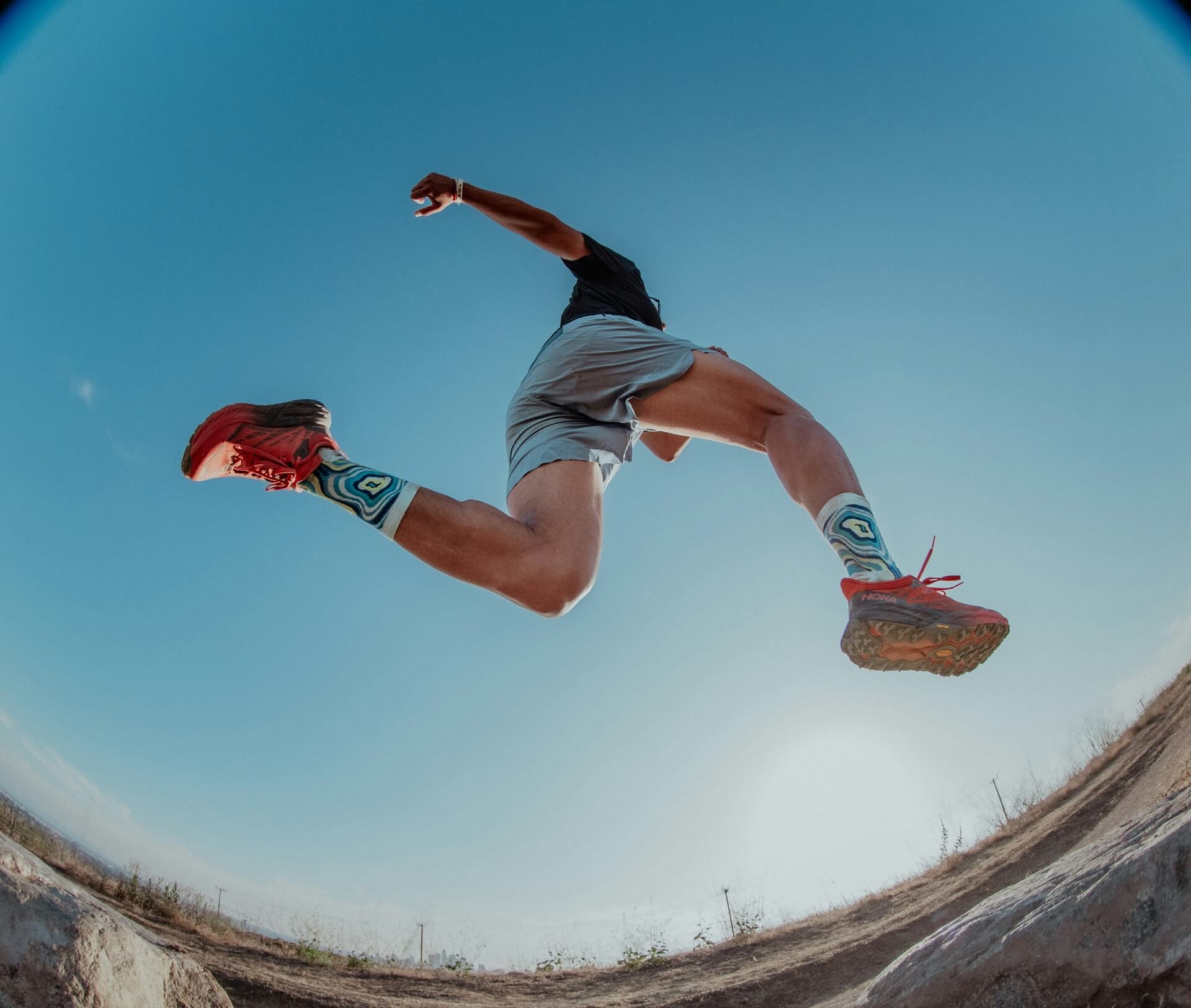
Working toward pain relief in active individuals in Colorado Springs.
Why Rocky Mountain Athletes Are at Risk
Living and training in Colorado has its perks– stunning trails, high-altitude performance benefits, and endless opportunities for adventure. However, those same trails and mountains also increase IT Band stress:
- Trail runners & ultrarunners → uneven terrain, steep climbs and descents
- Hikers & backpackers → heavy pack weight plus downhill miles
- Cyclists → repetitive knee flexion under resistance
- Skiers & snowboarders → lateral stress on the hips and knees
Without strong hips and balanced training, these repetitive motions often trigger ITBS.
Treatment for IT Band Syndrome
The good news: IT Band Syndrome responds well to rehab. At Backcountry PT, we use a patient-based approach often with a combination of manual therapy, targeted exercise, and sport-specific training based on one’s needs.
Early Stage (Calming Pain & Irritation)
- Relative rest (short break from painful mileage, not total inactivity)
- Ice/heat as needed for pain management
- Soft tissue mobilization to reduce irritation around the lateral knee
- Temporary training adjustments (flatter routes, cross-training)
Strength & Stability Phase
- Hip strengthening (glute medius, glute max)
- Core stability to support running mechanics
- Single-leg exercises to address asymmetries
- Balance training for trail stability
Return to Sport Phase
- Gradual mileage progression (no >10% increases per week)
- Downhill running drills to prepare for mountain terrain
- Sport-specific rehab (trail agility, cycling position adjustments, skiing prep)
Best Exercises for IT Band Syndrome
Here are a few sample exercises we often prescribe:
1. Side plank + abduction
- Lie on your side with legs stacked; lift your hips off the ground to maintain a side plank
- Lift the top leg slightly behind you, keeping the foot neutral.
- 3 sets of 12–15 reps.
- Single-Leg Deadlift
- Stand on one leg, hinge at the hips while reaching the opposite hand toward the floor.
- Keep the back flat, return to standing.
- 3 sets of 8–12 reps.
3. Monster Walks (Banded Side Steps)
- Place a resistance band around your ankles or knees.
- Step sideways with control, keeping hips and knees aligned.
- 3 sets of 10–15 steps each direction.
4. Step-Ups with Contralateral Load
- Step onto a box while holding weight in the opposite hand.
- Promotes hip stability and single-leg control.
Myths About IT Band Syndrome
Many athletes try to “stretch the IT band,” but here’s the truth:
- The IT band itself doesn’t stretch much. It’s dense fascia, not a muscle.
- Foam rolling can help temporarily by reducing sensitivity in surrounding tissues, but it won’t “loosen” the IT band permanently.
- The key is strengthening the muscles that control hip and knee motion, not just stretching or rolling.
Prevention Strategies for IT Band Syndrome
To keep ITBS from sidelining you:
- Strength train 2–3 times per week (focus on glutes, hips, and core)
- Replace shoes regularly (every 300–500 miles)
- Warm up with mobility and activation drills before runs or rides
- Mix up terrain (don’t always run on the same side of the road or trail)
- Increase mileage gradually
- Add recovery days into your training plan
When to See a Physical Therapist
If your lateral knee pain lasts more than a week or keeps returning despite rest, it’s time to seek help. You should also book an appointment if:
- Pain limits your ability to run, hike, or cycle
- You’ve tried foam rolling and stretching without improvement
- You notice hip weakness or instability on single-leg activities
- Your pain worsens on downhills or long runs
At Backcountry Physical Therapy, we specialize in helping athletes overcome IT Band Syndrome and prevent future injuries. Our goal is not only to treat the pain through physical therapy in Colorado Springs, but also to address the root cause so you can return to running, hiking, skiing, or cycling stronger than before without any fear of future injury.
Final Thoughts
IT Band Syndrome is one of the most common causes of outer knee pain in runners and mountain athletes near Colorado Springs. While frustrating, it doesn’t have to sideline you for long. With the right combination of strength training, movement retraining, and gradual return to activity, you can overcome ITBS and prevent it from coming back.
👉 Don’t let lateral knee pain keep you off the trails. Contact Backcountry Physical Therapy in Colorado Springs today and get back to doing what you love, pain-free.
We help active people in Colorado Springs, Manitou Springs, Briargate, Falcon, Rockrimmon, and surrounding areas!
📞 Call us today or 📧 book your evaluation with us to get started with your Physical Therapy in Colorado Springs (719) 285-9670