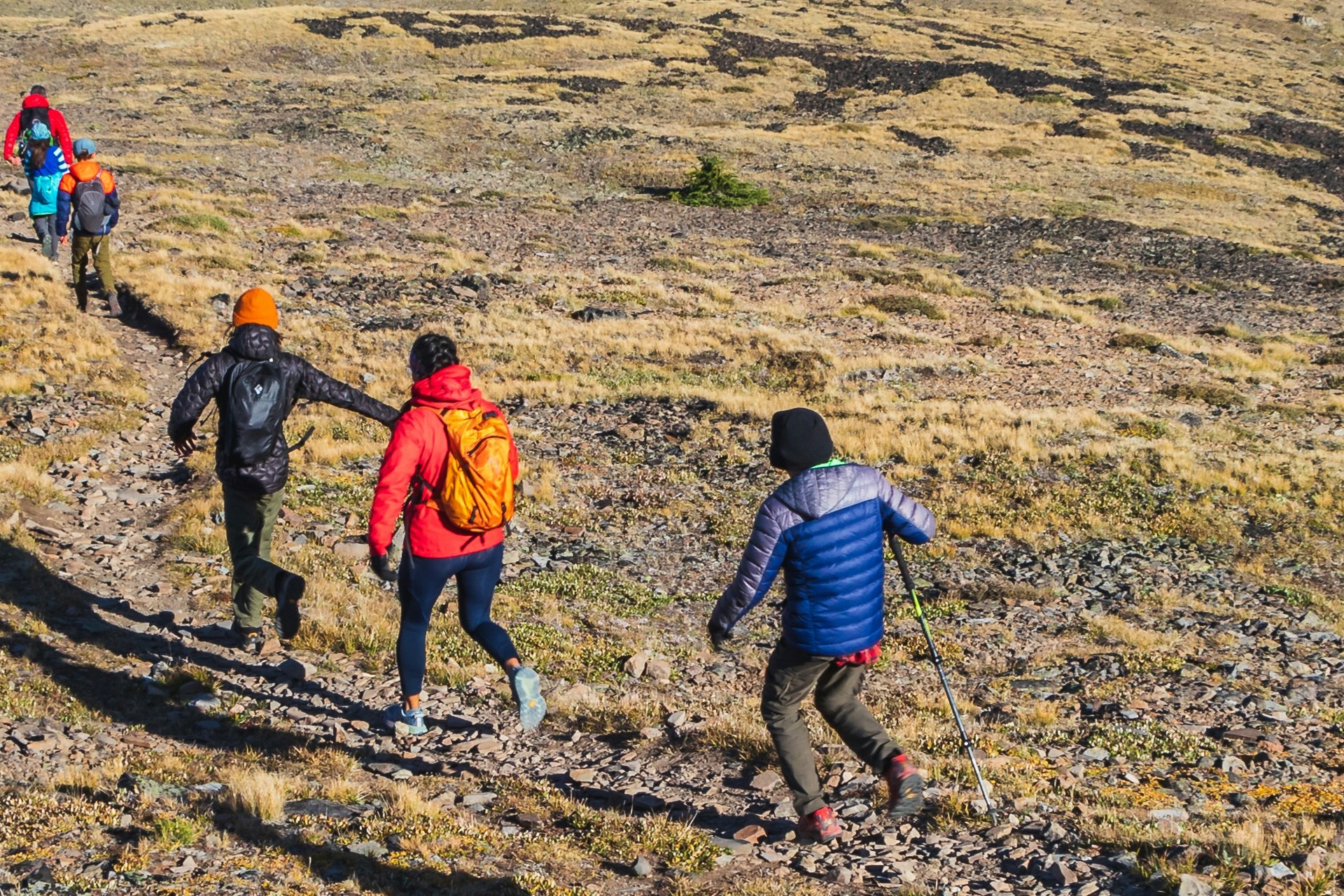
Minimalist shoes have gained a strong following among runners, hikers, and fitness enthusiasts who are drawn to the idea of moving more naturally. Stripped of excessive cushioning and motion control, minimalist footwear aims to bring your feet closer to how they were designed to function– strong, responsive, and adaptable.
Do minimalist shoes actually help you move better, or do they increase the risk of injury? At Backcountry Physical Therapy, we work with community-based athletes, so we have seen both sides of the story. In this post, we will break down what minimalist shoes are, discuss the pros and cons, explain who benefits most from them, and offer guidance on how to transition safely if you are considering making the switch.
What Are Minimalist Shoes?
Minimalist shoes are designed to simulate barefoot walking or running while still offering basic protection from the environment.
Key Features:
Minimal cushioning, usually less than 10 millimeters of stack height
Highly flexible soles that allow the foot to move naturally
Wide toe boxes to let the toes spread and grip the ground
Low weight, often less than half the weight of traditional running shoes
Little to no heel-to-toe drop, although not all minimalist shoes are technically zero-drop
Popular examples include Vibram FiveFingers, Xero Shoes, Merrell Vapor Glove, and Vivobarefoot.
Minimalist shoes differ from barefoot shoes in that they still provide a thin layer of protection. They are also distinct from zero-drop shoes, which may still contain ample cushioning. Minimalist footwear is often promoted as a tool to support more natural movement. It is said to improve foot strength, enhance sensory feedback, promote better running mechanics, and reduce overuse injuries. However, these outcomes depend heavily on how they are introduced and whether the user’s body is prepared for the increased demand. These shoes are popular among trail runners, road runners, hikers, mountain bikers, and fitness enthusiasts who prioritize foot strength, balance, and natural mechanics.

Benefits of Minimalist Shoes for Active Individuals
Encourages a More Natural Gait
Minimalist shoes often reduce heel striking and encourage a midfoot or forefoot landing during running in Colorado Springs. This change in gait can redistribute impact forces away from the knees and hips, placing more demand on the foot and lower leg instead.
Builds Foot and Ankle Strength
Traditional footwear provides external support and cushioning, which reduces the work your feet and ankles must do. In contrast, minimalist shoes allow the small stabilizing muscles in your feet to become more active, which can lead to stronger arches, improved stability, and better coordination for long-term injury prevention.
Improves Proprioception and Sensory Feedback
With thinner soles and more flexible materials, minimalist shoes allow you to feel the ground beneath you more clearly. This improved feedback helps your brain make faster and more accurate decisions about foot placement and balance for trail runners, mountain bikers, and hikers on uneven terrain.
Promotes Natural Toe Splay
Many minimalist shoes feature a wide toe box. This allows your toes to spread naturally, which is important for balance, push-off during walking or running, and reducing pressure-related injuries like bunions or neuromas.
Lightweight and Flexible
Minimalist shoes are significantly lighter than most traditional footwear. This reduction in weight can lower energy expenditure during long runs or hikes, and their flexibility makes them feel more like an extension of your foot rather than a rigid device.
Drawbacks of Minimalist Shoes
Increased Injury Risk During Transition
The most common issue we see in the clinic is injury from transitioning too quickly. Minimalist shoes demand more from the calves, Achilles tendons, plantar fascia, foot intrinsic muscles, and the small bones in the foot. Without a proper buildup in strength and gradual mileage, runners often experience soreness, strain, or stress-related injuries.
Less Cushioning for Hard Surfaces
For those running or walking on concrete and asphalt in Colorado Springs, the lack of cushioning can lead to discomfort or joint irritation, especially for heavier individuals or those with a history of impact-related injuries.
Limited Protection on Rugged Terrain
Minimalist shoes are not ideal for rocky, technical trails. The thin soles do not offer much protection against sharp rocks, roots, or cold ground. Even minimalist trail shoes may be better suited for soft or well-maintained trails.
Not Suitable for Everyone
Certain individuals may struggle in minimalist footwear, particularly those with flat arches, rigid feet, past foot fractures, or chronic tendon problems. These shoes place more mechanical stress on the feet and lower legs, which can aggravate preexisting conditions.
Who Might Benefit From Minimalist Shoes?
Runners With Good Mechanics and Foot Strength
Runners who already use a midfoot or forefoot strike and have strong calves and feet may do well in minimalist shoes. These runners in Colorado can benefit from improved proprioception and reduced reliance on external support.
Walkers and Hikers Looking to Strengthen Their Feet
Wearing minimalist shoes during walking or light hiking can gradually strengthen foot muscles and improve stability. This is especially helpful for those recovering from years of supportive footwear use.
Gym-Goers and Lifters
Minimalist shoes provide a flat, grounded base during strength training. They are ideal for exercises like squats, deadlifts, and lunges because they improve foot control and force transfer into the ground.
Trail Runners on Soft Terrain
Trail runners near Colorado Springs may enjoy the improved ground feel and agility minimalist shoes offer, especially on softer trails. However, they should avoid technical or rocky terrain without adequate protection.
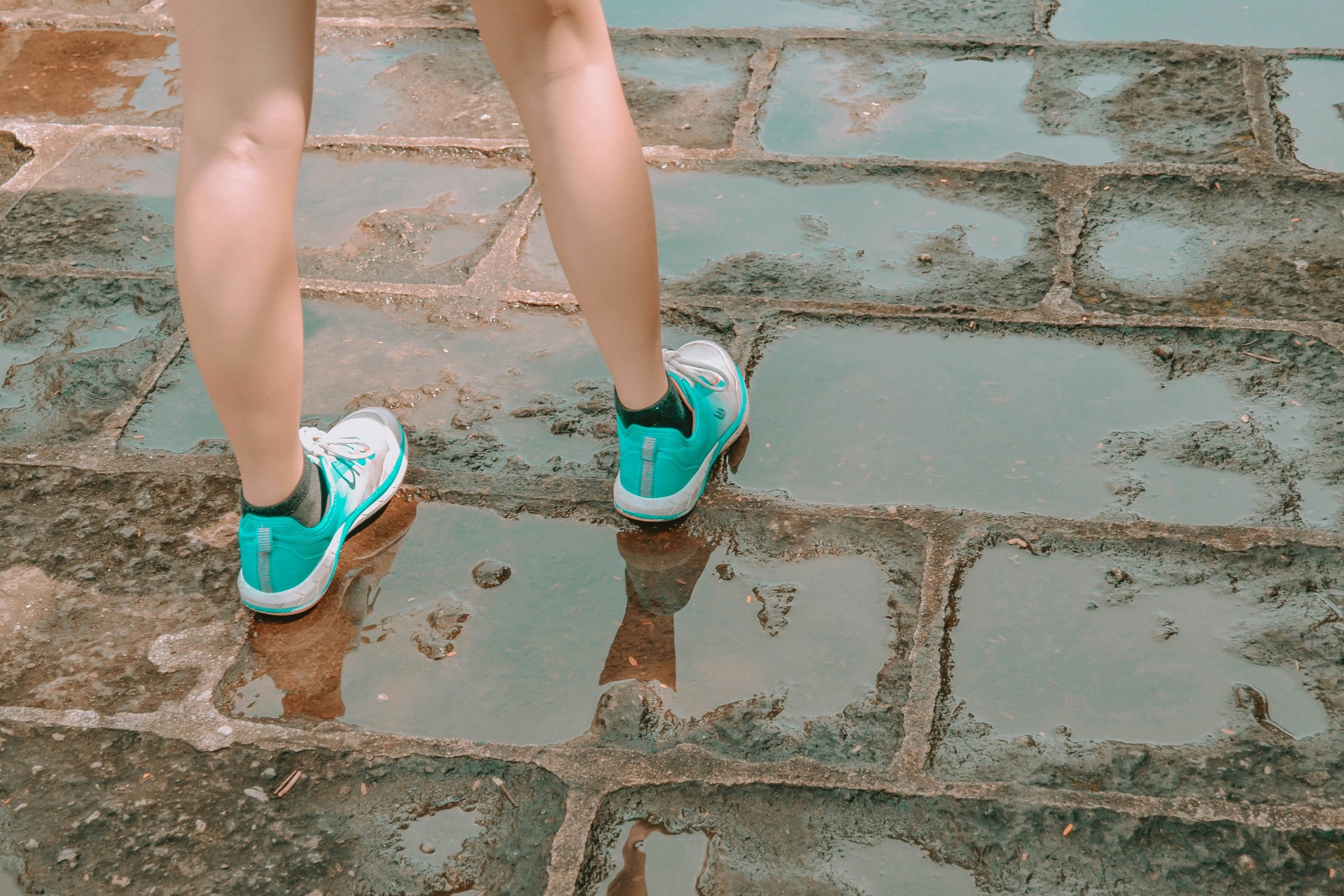
Working toward pain relief in active individuals in Colorado Springs.
Who Should Be Cautious or Avoid Them?
Individuals With a History of Foot Injuries
People with prior metatarsal stress fractures, plantar fasciitis, posterior tibial tendonitis, or chronic Achilles issues should be cautious. The increased workload in minimalist shoes may re-aggravate these conditions.
Runners With Poor Mobility or Weak Intrinsics
If you have limited ankle dorsiflexion, poor toe mobility, or weak intrinsic foot muscles, minimalist shoes may amplify your movement limitations and increase your risk of injury.
Beginners or Infrequent Exercisers
Those who are new to running or returning from a long break should work on building baseline strength before introducing minimalist footwear. It is better to start with walking and low-impact activities before attempting longer or faster runs.
How to Transition Safely to Minimalist Shoes
Switching to minimalist shoes is not just about changing footwear; it is about reconditioning your entire lower leg. Here is how to do it safely:
Start With Walking
Begin by wearing your minimalist shoes for everyday walking around Colorado Springs. This will help your feet get used to the lack of support and increase sensory feedback without the intensity of running.
Strengthen Your Feet First
Use exercises such as foot doming, toe yoga, towel scrunches, single-leg balance drills, and calf raises. These exercises target the muscles that minimalist shoes rely on and prepare you for increased demands for active individuals.
Introduce Running Gradually
Start with short runs of 5 to 10 minutes, two or three times per week. Keep the pace easy and alternate with your traditional shoes for longer runs. Gradually increase your time in minimalist shoes by no more than 10 to 15 percent each week.
Listen to Your Body
Mild soreness in the calves or arches is normal during the transition, but sharp pain, persistent discomfort, or signs of inflammation are red flags. If these symptoms occur, take a step back and consult a physical therapist.
What Does the Research Say?
Several studies have explored the effects of minimalist shoes. Research suggests that:
- Minimalist footwear increases the workload on the foot and ankle, which can lead to greater muscular adaptation
- Foot muscle size and strength can improve with consistent, gradual use of minimalist shoes
- Injury risk does not decrease simply by wearing minimalist shoes; the way you use them and your individual mechanics matter more
Overall, minimalist shoes are a tool that can support healthy movement, but only when paired with thoughtful training and preparation.
Final Thoughts
Minimalist shoes can be an excellent option for athletes and active individuals looking to build stronger feet, improve balance, and enhance body awareness. However, they are not suitable for everyone and must be introduced gradually to reduce the risk of injury.
If you are curious about minimalist footwear, consider your foot strength, running mechanics, injury history, and training goals. When in doubt, consult a movement professional or come to physical therapy in Colorado Springs who can help assess whether minimalist shoes are the right fit for you.
Need Help Deciding if Minimalist Shoes Are Right for You?
At Backcountry Physical Therapy, we help runners, hikers, cyclists, and outdoor athletes in Colorado Springs transition safely into minimalist footwear. We’ll assess your foot strength, movement patterns, and training goals to help you make a smart decision — and avoid injury.
- Personalized Gait Analysis
- Foot & Ankle Strength Programs
- Return-to-Run Protocols
- Bike & Hike Injury Prevention Plans
Book a consultation today to get started with an expert movement plan with physical therapy in Colorado Springs.
Serving athletes across Colorado Springs, Manitou Springs, and the Front Range.
📞 Call us today or 📧 book your evaluation with us to get started with your Colorado Springs medical bike fit (719) 285-9670