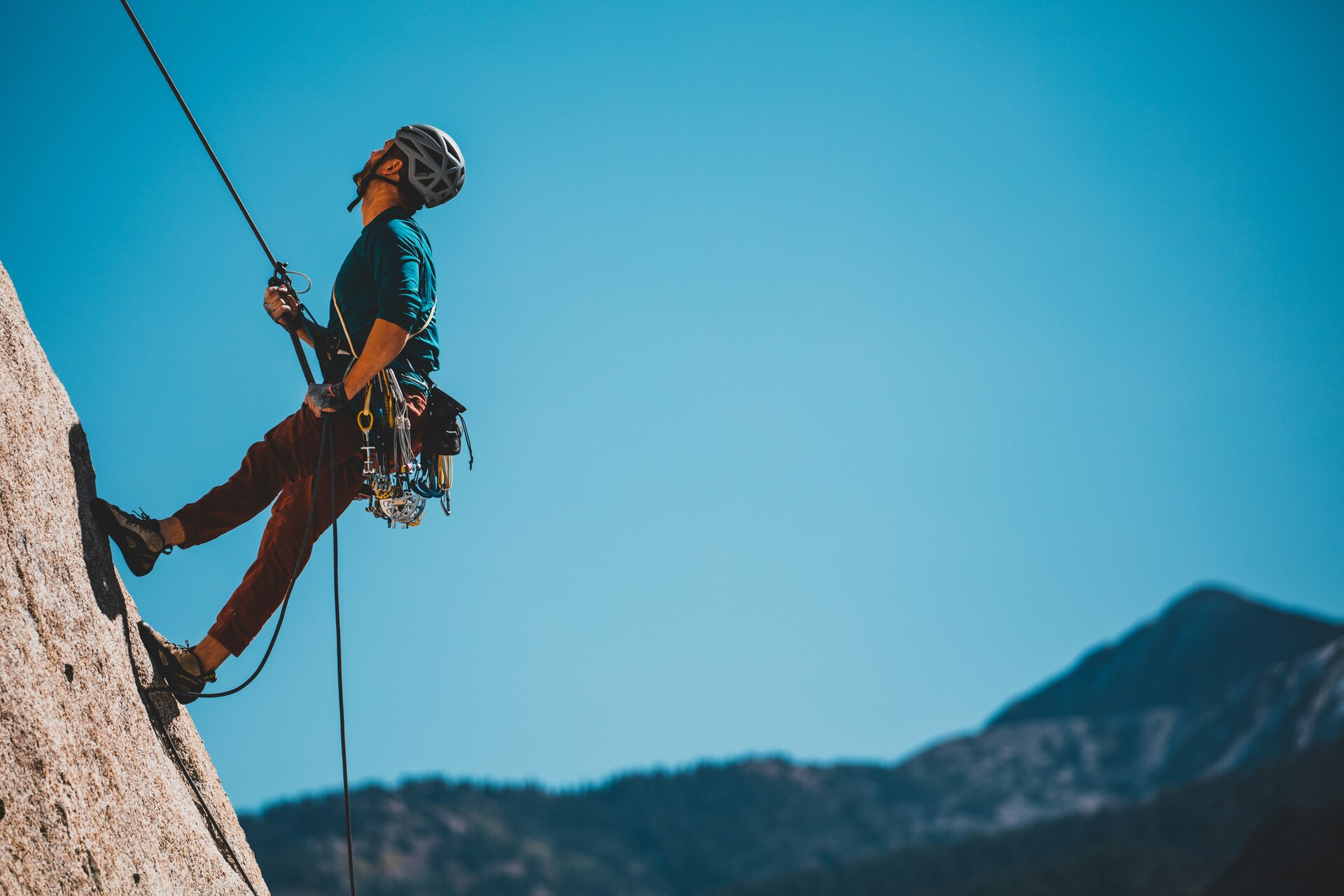
Shoulder pain is one of the most common injuries we treat at Backcountry Physical Therapy. Among all the possible culprits, rotator cuff injuries are at the top of the list.
If you’re an athlete in Colorado, whether you’re carving turns at Breckenridge, lifting weights in the gym, or hiking with poles, your rotator cuff is working hard every day. When it gets irritated or injured, you’ll feel it not just in your training, but in simple daily tasks like reaching overhead, lifting groceries, or even sleeping on your side.
The good news: rotator cuff injuries are very treatable, especially when caught early. In this post, we’ll break down what the rotator cuff is, how injuries happen, common symptoms, and what recovery with physical therapy in Colorado Springs looks like so you can get back to doing what you love.
What Is the Rotator Cuff?
The rotator cuff is not a single muscle, but rather, it is a group of four muscles and their tendons that stabilize your shoulder joint. These muscles include:
- Supraspinatus – assists with raising your arm overhead
- Infraspinatus – helps rotate your arm outward (external rotation)
- Teres Minor – also contributes to external rotation
- Subscapularis – rotates your arm inward and adds stability
Together, they keep the head of the humerus (upper arm bone) centered in the shoulder socket of the scapula as you move. Without them, overhead movements, lifting, and even reaching forward would be unstable and painful.
Types of Rotator Cuff Injuries
Rotator cuff injuries exist on a spectrum from mild irritation to full tears. Common types include:
1. Tendinitis (Overuse Irritation)
- Inflammation or irritation of the rotator cuff tendons, usually from repetitive overhead motions (climbing, lifting, swimming)
2. Tendinopathy/Degeneration
- Chronic wear-and-tear weakens the tendon, often from poor mechanics, muscle imbalance, or aging
3. Partial Tear
- A fraying or incomplete tear of one or more rotator cuff tendons
4. Full-Thickness Tear
- A complete tear of the tendon, sometimes requiring surgery if severe or traumatic (e.g., a ski crash or heavy lifting accident)
What Causes These Injuries?
Rotator cuff problems usually come from one of two sources:
- Overuse/Repetitive Stress:
- Climbers repeatedly reaching overhead
- Lifters pressing heavy weight without proper shoulder blade mechanics
- Throwing, swimming, or pole planting in snow sports
- Trauma:
- Falls while skiing or mountain biking
- Sudden jerks when climbing or lifting
- Direct impact to the shoulder
Other contributing factors include poor posture, limited thoracic spine mobility, weak scapular stabilizers, or advancing age (natural tendon degeneration).
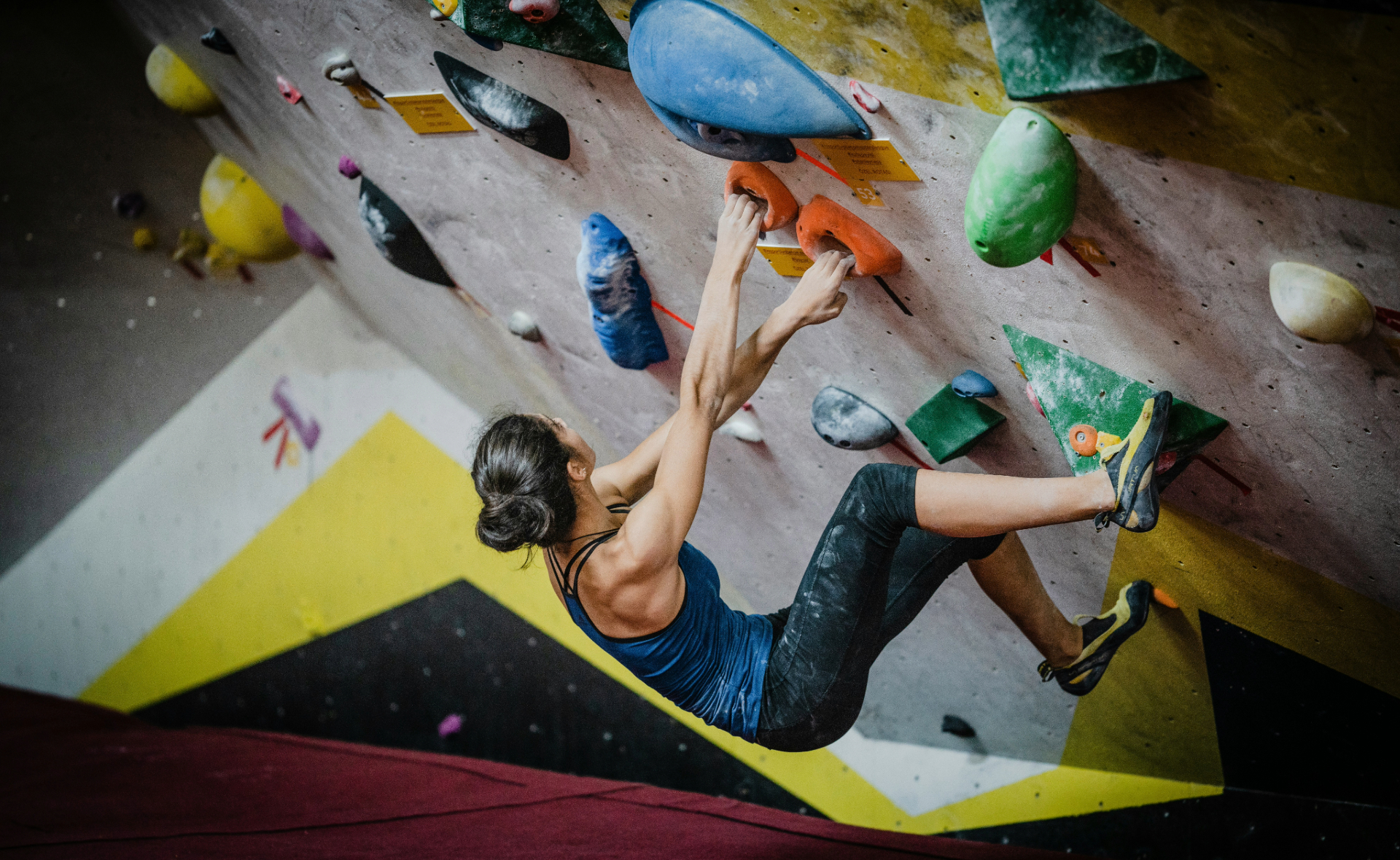
Working toward pain relief in active individuals in Colorado Springs.
Symptoms of a Rotator Cuff Injury
Rotator cuff injuries near Colorado Springs can sneak up gradually or strike suddenly. Common symptoms include:
- Pain on the front, side, or top of the shoulder
- Pain with overhead movements (pressing, reaching, throwing)
- Weakness when lifting or rotating the arm
- Clicking, catching, or “snapping” sensations
- Pain that worsens at night, especially when lying on the injured side
If you’ve been ignoring shoulder discomfort that just won’t go away, it’s worth getting checked out by a physical therapist.
How Rotator Cuff Injuries Are Diagnosed
A physical therapist or orthopedic provider will:
- Ask about your history and activities (climbing, skiing, lifting, etc.)
- Test shoulder strength and range of motion
- Perform specific exam maneuvers to stress the rotator cuff
Early evaluation matters, the sooner you address it, the faster you can recover.
How to Recover From a Rotator Cuff Injury
- Relative Rest (Not Total Rest)
- Completely immobilizing the shoulder often leads to stiffness and weakness. Instead, modify activity, avoid painful overhead lifts, but keep moving within a comfortable range
- Physical Therapy
- Rehab is the cornerstone of recovery. At Backcountry PT, we focus on:
- Restoring mobility in the shoulder and thoracic spine
- Strengthening the rotator cuff with targeted band and dumbbell work
- Building scapular stability for smoother overhead motion
- Correcting mechanics for climbing, lifting, and skiing to prevent re-injury
- Rehab is the cornerstone of recovery. At Backcountry PT, we focus on:
- Anti-Inflammatory Strategies
- Short-term use of ice, activity modification, or medication (under physician guidance) can calm symptoms
- Gradual Loading
- Tendons heal best with progressive strengthening. We don’t just rest, we rebuild. This often means carefully adding resistance, volume, and eventually sport-specific loading
- Surgery (If Needed)
- Most rotator cuff injuries respond well to PT, but in cases of large tears or severe dysfunction, surgery may be recommended. Post-op rehab is critical for full recovery
Exercises for Rotator Cuff Health
(Sample and general suggestions, work with a PT for a personalized plan.)
- External Rotation with Band – 2–3 sets of 12–15 reps
- Side-Lying External Rotation – light weight, controlled movement
- Prone Y/T/W Raises – strengthen scapular stabilizers
- Serratus Punches – train shoulder blade mechanics
- Overhead Carry (light kettlebell or dumbbell) – build integrated stability
These are great not just for rehab, but as prehab (to prevent injuries) for healthy shoulders.
Preventing Rotator Cuff Injuries in Rocky Mountain Athletes
- Warm up properly before lifting, climbing, or skiing
- Strengthen scapular stabilizers (serratus, lower trap, rhomboids)
- Work on thoracic mobility for better overhead mechanics
- Balance pushing and pulling in your strength program
- Don’t push through pain; small irritations can snowball into major issues
When to See a Physical Therapist
You should get evaluated if you experience:
- Pain lasting longer than 1–2 weeks
- Night pain interfering with sleep
- Weakness, catching, or clicking with movement
- Shoulder instability after a fall or crash
At Backcountry Physical Therapy in Colorado Springs, we specialize in helping community-based athletes, such as climbers, skiers, lifters, bikers, and runners, recover from shoulder injuries and return to sport stronger than before.
Conclusion
Rotator cuff injuries are common, but they don’t have to sideline you for long. With the right combination of rest, targeted strengthening, and skilled rehab, you can recover and return to the mountains, the gym, or the trail.
Your shoulders are built to move, climb, lift, and perform; don’t let pain hold you back.
If you’re dealing with shoulder pain, reach out to Backcountry Physical Therapy today. We’ll create a personalized plan to help you recover and get back to your adventures.
👉 If you’re an athlete training at altitude and struggling with pain or recurring injuries, reach out to Backcountry Physical Therapy. We’ll help you recover, adapt, and perform at your best in the mountains you love.
📞 Call us today or 📧 book your evaluation with us to get started with your Physical Therapy in Colorado Springs (719) 285-9670