
Sermorelin has become increasingly popular in performance and longevity circles, particularly among endurance and outdoor athletes in Colorado Springs looking to improve recovery, sleep, and training capacity. While the claims often outpace the evidence, there is a physiologically plausible mechanism behind its use that is worth understanding.
As a sports based physical therapist near Colorado Springs working with ultra endurance athletes, I have seen a few patients using this peptide and wanted to review its use as a result. This article breaks down what sermorelin is, how it works, its historical and regulatory context, and where it may or may not fit into a high-level training program.
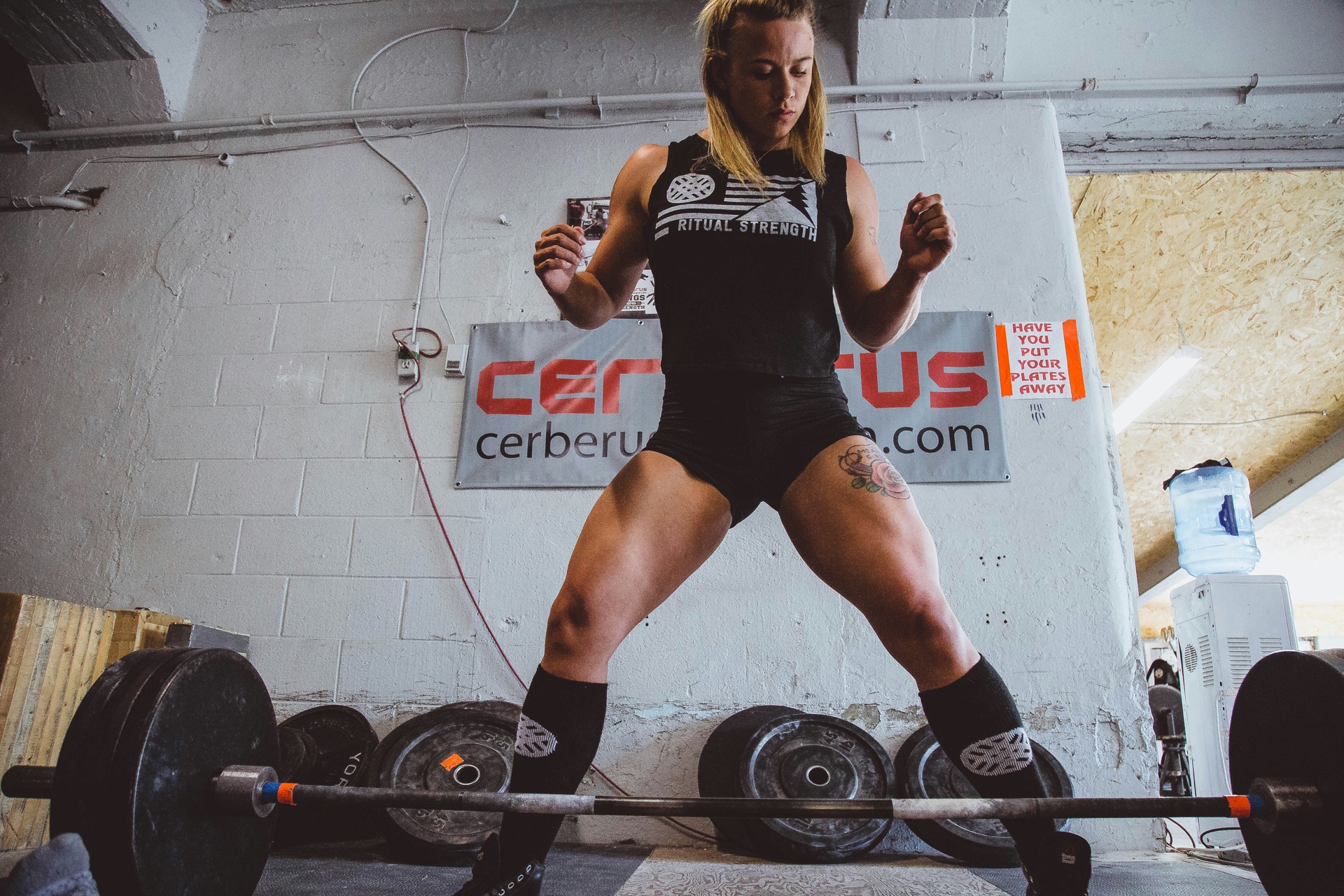
At least I got a nice picture for all my pain!
What is Sermorelin?
Sermorelin is a synthetic peptide that mimics growth hormone-releasing hormone (GHRH), a signaling molecule produced by the hypothalamus. Its primary function is to stimulate the pituitary gland to release endogenous human growth hormone (GH).¹
Unlike exogenous GH injections, sermorelin does not replace GH. Instead, it enhances the body’s natural pulsatile secretion patterns, preserving normal feedback mechanisms.²
This distinction matters clinically, as it reduces the likelihood of supraphysiologic hormone exposure compared to direct GH administration.
Historical Use and FDA Status
Sermorelin was approved by the FDA in 1997 under the brand name Geref® for the diagnosis and treatment of pediatric growth hormone deficiency.³
It was later discontinued for commercial reasons, not due to safety concerns.⁴
Important clarification:
- It was FDA-approved historically, but is not currently FDA-approved for adult performance or anti-aging use
- Current prescribing is off-label, typically through compounding pharmacies
This distinction is especially relevant for competitive athletes near Colorado Springs, as GH-axis therapies are prohibited by most anti-doping organizations.⁵

Mechanism of Action: Why It Makes Sense for Athletes
Sermorelin binds to GHRH receptors in the anterior pituitary, increasing pulsatile GH release and downstream insulin-like growth factor-1 (IGF-1) production.¹
Growth hormone and IGF-1 influence several systems relevant to performance:
- Protein synthesis and muscle repair
- Collagen formation and tendon remodeling
- Lipolysis and metabolic efficiency
- Sleep architecture, particularly slow-wave sleep
Because GH secretion is naturally highest during deep sleep, sermorelin is typically administered at night to align with this physiology.
Potential Benefits for Outdoor and Endurance Athletes
Outdoor athletes in Colorado Springs often deal with high training volumes, cumulative fatigue, suboptimal sleep, and repetitive tissue stress. Sermorelin targets several of these variables.
Sleep Quality
Growth hormone secretion is closely tied to slow-wave sleep. Enhancing GH signaling may improve sleep depth and overall recovery quality.⁶
For endurance athletes near Colorado Springs, this may be the most meaningful downstream effect.
Recovery Between Sessions
GH and IGF-1 play a role in:
- Muscle repair
- Connective tissue healing
- Bone remodeling
Studies in GH-deficient populations show improved recovery markers and body composition with GH axis stimulation.⁷ While direct evidence in healthy athletes is limited, the mechanism remains relevant.
Increased Training Capacity
Improved recovery can allow athletes to:
- Tolerate higher training volumes
- Maintain intensity across longer training cycles
- Reduce cumulative fatigue
This indirect effect is likely more impactful than any direct ergogenic benefit.
Body Composition
GH axis stimulation has been associated with:
- Increased lean body mass
- Reduced fat mass
However, these effects are generally modest and more pronounced in deficient populations.⁷
Safety Profile and Risks
Sermorelin is generally considered safer than exogenous GH due to preserved physiologic regulation.⁸
However, risks still exist.
Common Side Effects
- Injection site reactions
- Headache
- Flushing
- Mild fluid retention³
Metabolic and Hormonal Considerations
- Potential alterations in glucose metabolism
- Elevated IGF-1 levels
- Theoretical risk of promoting tumor growth in predisposed individuals⁹
Key Limitation
Most safety data comes from:
- Pediatric GH deficiency populations
- Adults with endocrine disorders
There is limited long-term data in healthy, high-performing athletes.
Sourcing and the Importance of Medical Oversight
Sermorelin is typically obtained through compounding pharmacies, which introduces variability in:
- Purity
- Dosing accuracy
- Sterility
Best practices include:
- Working with a licensed medical provider
- Using reputable compounding pharmacies
- Routine lab monitoring (IGF-1, fasting glucose, thyroid function)
Unregulated online peptide sources present significant risk and should be avoided.
Who It May Be Appropriate For
Sermorelin may be most appropriate for:
- Older athletes with age-related GH decline
- Individuals with clinically low IGF-1
- Athletes struggling with recovery despite appropriate training and nutrition
In these cases, it may serve as a restorative intervention rather than a performance enhancer.
Who Should Avoid It
Sermorelin is not appropriate for:
- Competitive athletes in Colorado Springs subject to anti-doping regulations
- Individuals with active or prior hormone-sensitive cancers
- Those with uncontrolled endocrine disorders
- Younger athletes near Colorado Springs with normal hormone function
It should not be used as a substitute for proper training, sleep, and nutrition.
Clinical Takeaways
- Sermorelin stimulates endogenous GH production via GHRH receptor activation
- It was FDA-approved for pediatric GH deficiency but is now used off-label in adults
- The mechanism supports improved sleep and recovery, which may indirectly enhance performance
- Evidence in healthy athletic populations is limited
- Safety appears favorable relative to GH, but long-term data is lacking
- Medical oversight and lab monitoring are essential
- It is best viewed as an adjunct, not a primary driver of performance
We proudly serve active individuals in Colorado Springs, Manitou Springs, Briargate, Falcon, Rockrimmon, and surrounding areas.
📞 Call us today or 📧 book your evaluation to get started with Physical Therapy near Colorado Springs: (719) 285-9670