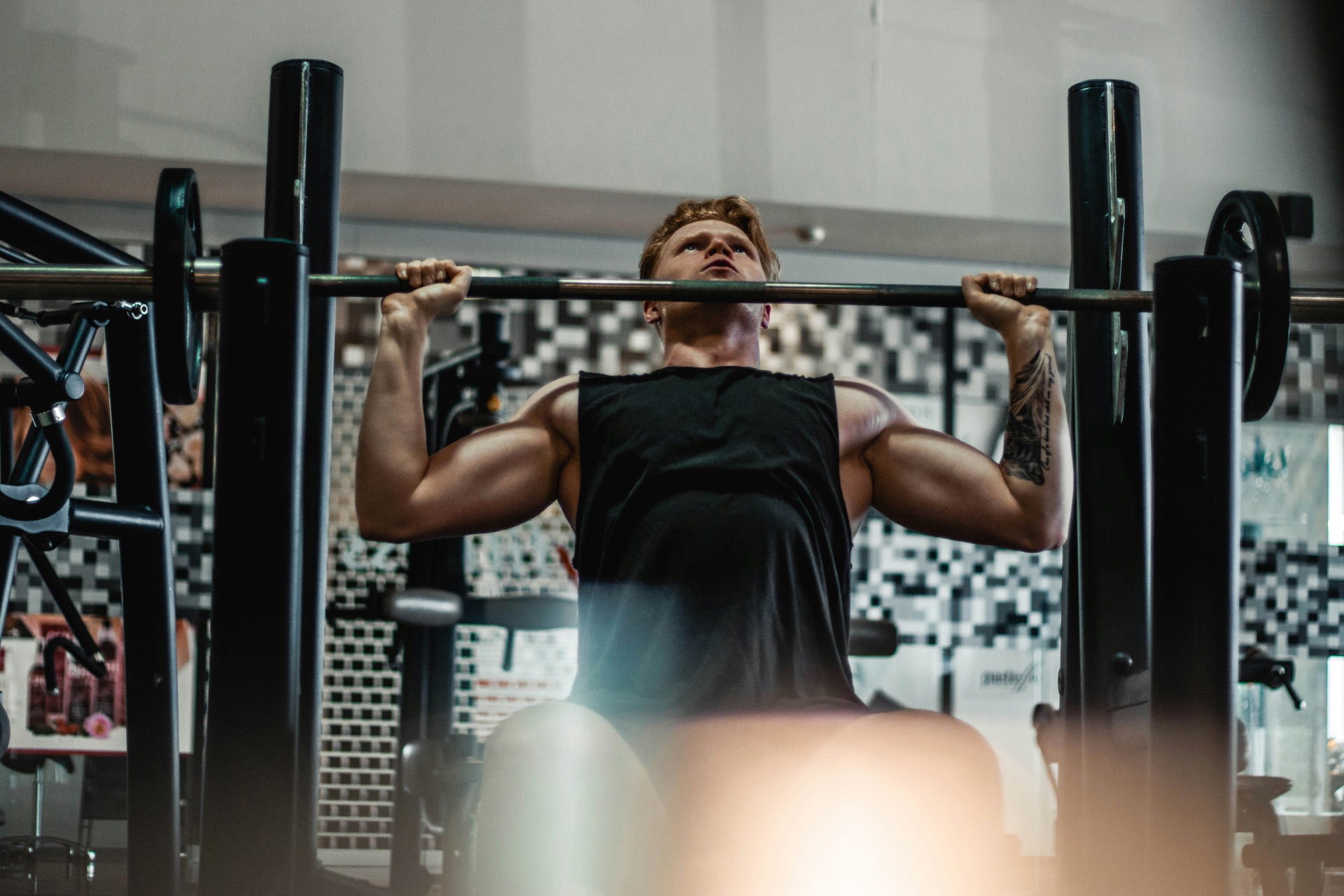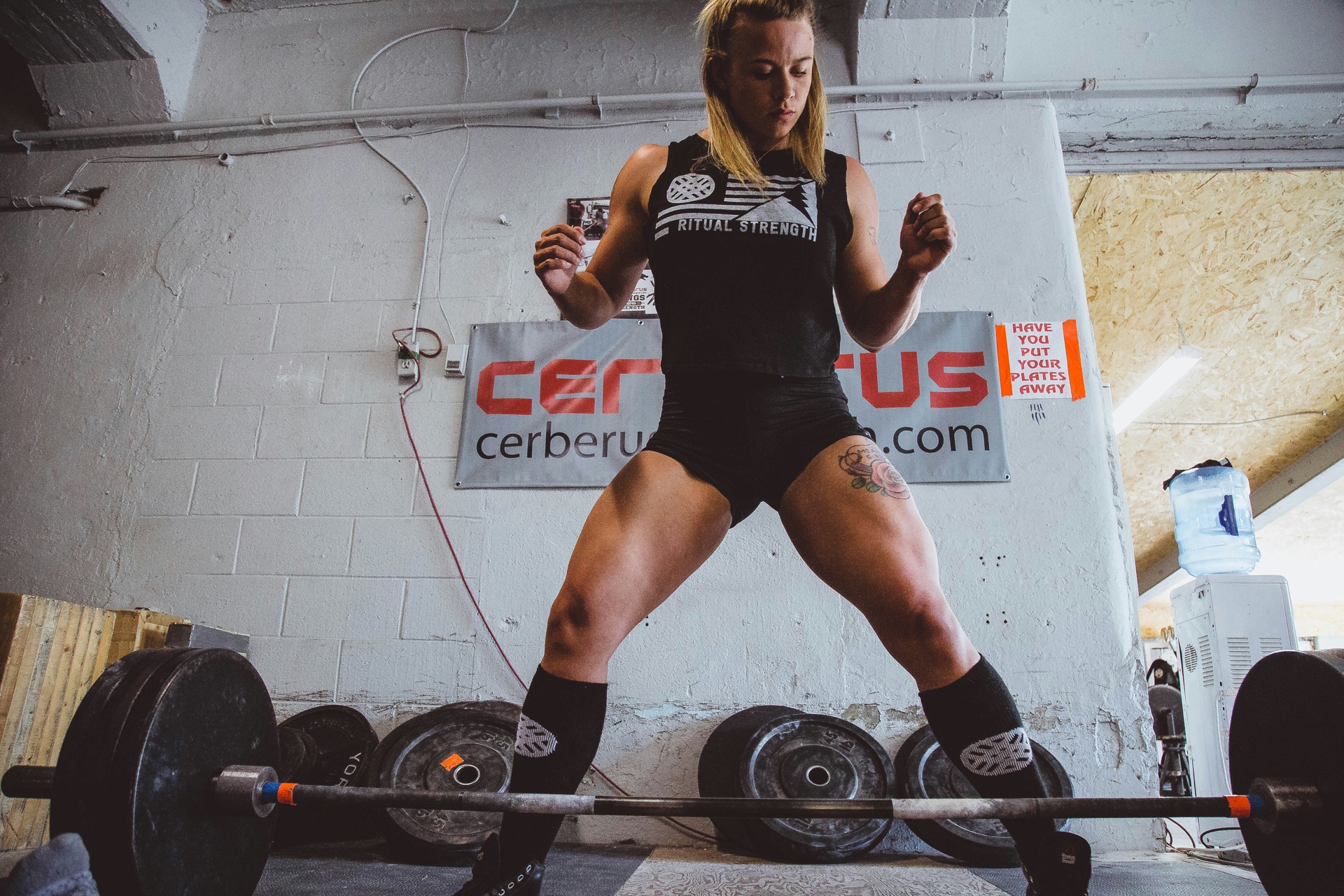
It seems like a no-brainer, right? Every exercise enthusiast and most physical therapists in Colorado Springs will tell you that if you’re working out one side of your body, you should definitely do the other side as well. After all, we don’t want to be ‘uneven’, and what could be the harm? But what if you are already ‘uneven’ at the start of your workout? Is it really beneficial in all circumstances to do the same workout for each limb? Research would suggest that it isn’t!
How do we become asymmetrical?
While it is true that humans are naturally asymmetrical when it comes to limb length or facial structure, muscular asymmetry is something we can control and it is a serious concern. It can happen insidiously over the course of years by slightly favoring one leg over the other, or it can be the result of an injury and poor (or no) rehab to address that asymmetry.
The classic example we see in the rehab field is patients who’ve had an ACL reconstruction. It is known that there will be a deficit in strength, and it is our job to ensure that deficit is less than 10% of the non-surgical leg to be considered a successful recovery near Colorado Springs.

Working toward pain relief in active individuals in Colorado Springs.
Why should we care about asymmetry?
(skip the next two sections if you want the recommendations or don’t want to read research findings)
Having persistent asymmetry between limbs has significant effects on our risk of injury and is more than just a quirk of biology. In the above ACL example, if discharge criteria is not met, patients can risk up to a four-fold increase in rupture risk if they return to their sport (Kyritsis et al., 2016).
There are many factors that influence sport related injury, but it is believed that limb asymmetries of 15%> lead to increases in injury risk in both limbs, due to excessive forces in the dominant limb due to favoring and preferential use, as well as altered mechanics with loading tasks (jumping, cutting etc) due to the weaker limb (Guan et al., 2022).
Individuals with ACL injuries may differ compared to the average athlete who has never had one because they are predisposed to injury in some way, so let’s look at data that studies athletes without that predisposition. One study of elite volleyball players found that limb strength asymmetry contributed significantly to the incidence of non-contact injuries. This study found that the athletes who developed an injury during the study had an average of ~16% limb strength asymmetry compared to the 7% asymmetry of those who did not sustain an injury.
Functional Testing
Functional testing of an athlete’s ability to sprint and cut, as well as single leg vertical jump tests, also revealed a significant deficit in symmetrical performance in those who had an injury during their season. For every percentage point of asymmetry, it was found that the risk of injury was increased (Wang et al., 2025). All of this to say, asymmetrical strength and performance can substantially impact your risk of injury, even if you technically have “elite” level strength in your weaker limb!
Conflicting evidence
Unfortunately for those of us working in rehab in Colorado Springs, black and white recommendations are typically not safe to give if we want to be evidence-based practitioners. Limb asymmetry does appear to have an influence on injury risk, but our recommendations cannot be as simple as “only work out your injured/weak side”.
Research performed on patients with ACL reconstructions has found that the uninjured side has a much greater risk of an ACL tear compared to someone who has never had a tear in the first place. This holds up logically as well- if you had a lower extremity deficit that led to an injury in the first place, it follows that you are likely to have an injury on your unaffected side (King et al., 2023). Practically, this means that we should not ignore the “strong” limb, as there may be deficits and weaknesses in that limb as well that can lead to a serious injury and surgery if unaddressed.
That was a lot of research, Nick, tell me what I need to know
Proof is important when you care about being factually correct, but it can be a bit boring to read. For those who know they have a weaker limb compared to the other, here’s what you need to know and consider. We can confidently say that one sided limb deficits in strength or performance are likely to cause you issues if you care about preventing injury or maximizing your performance.
The greater the deficit, the greater your risk of serious injury, with surgery being a possible consequence of ignoring that deficit. Strength deficits on one side do increase your risk of injury on the other side, especially if it’s due to a previous injury like an ACL tear, so we still want to work on both sides.
Training Your Weak Side
BUT, we are going to train your weak side more than the strong one. It’s a simple recommendation, but one that most people never consider. If you have a weaker limb, I want you to double the volume on your weak side to help close the gap between each limb while ensuring that your “good side” is being protected while you do this. For example: if doing seated knee extensions at the gym, you will keep the weight and reps the same between each side, but do 4 sets on your weak side and 2 sets on your strong side.
This will allow for significant gains relative to the stronger side, and eventually lead to both legs being more symmetrical. At that point, you can go back to training both sides evenly. It’s always a good idea to include single limb exercises (like lunges) as part of your routine going forward to avoid asymmetries in the first place.
That will address a strength deficit, but a performance deficit is trickier. Learning how to cut, jump, land, or perform sport-specific tasks will likely need to be done in conjunction with a trained professional due to the individual nature of your deficit(s). If you want to try on your own, performing agility drills or jumping/landing drills that are similar to your sport is a good place to start. Ensure your weaker leg is participating fully, and you are performing both left sided and right sided variations of each drill until your affected side matches the unaffected one in both speed and confidence.
Need help addressing an asymmetry?
Managing your own rehab near Colorado Springs can be difficult if you aren’t sure how to identify your weaknesses or address them. Most of us don’t do sport specific testing on a regular basis, so it can be hard to know if you actually have a problem. If you would like one-on-one guidance to identify and address your own asymmetries, consider scheduling an evaluation with a trained physical therapist who specializes in working with athletes.
Looking for more?
If what you’ve read resonates and you’re looking for a skilled physical therapist in Colorado Springs to help you recover from a lingering injury or optimize your performance, scheduling an evaluation with a specialist who understands your sport and works one-on-one to help you reach your goals is the next step.
We proudly serve active individuals in Colorado Springs, Manitou Springs, Briargate, Falcon, Rockrimmon, and surrounding areas.
📞 Call us today or 📧 book your evaluation to get started with Physical Therapy near Colorado Springs: (719) 285-9670