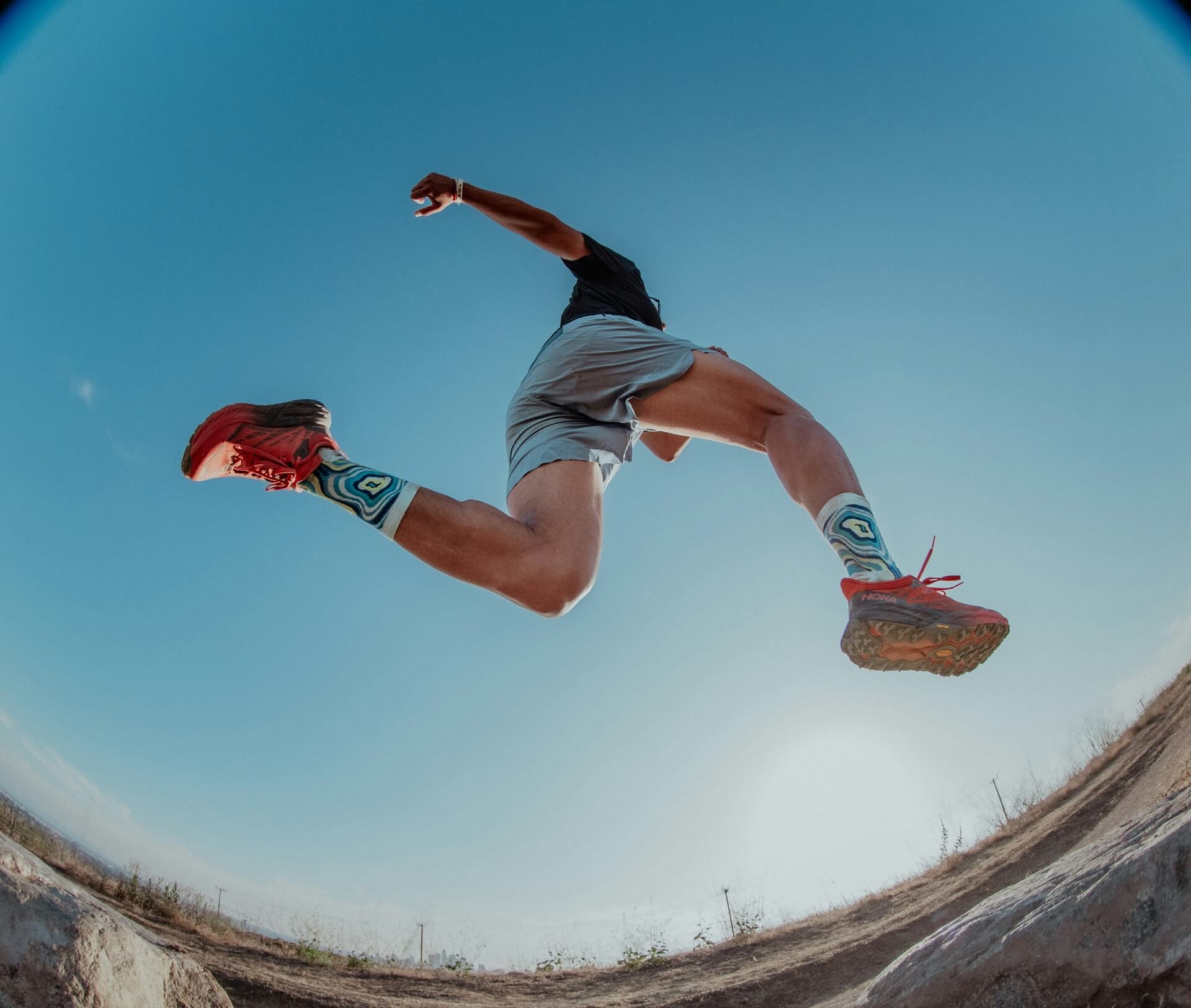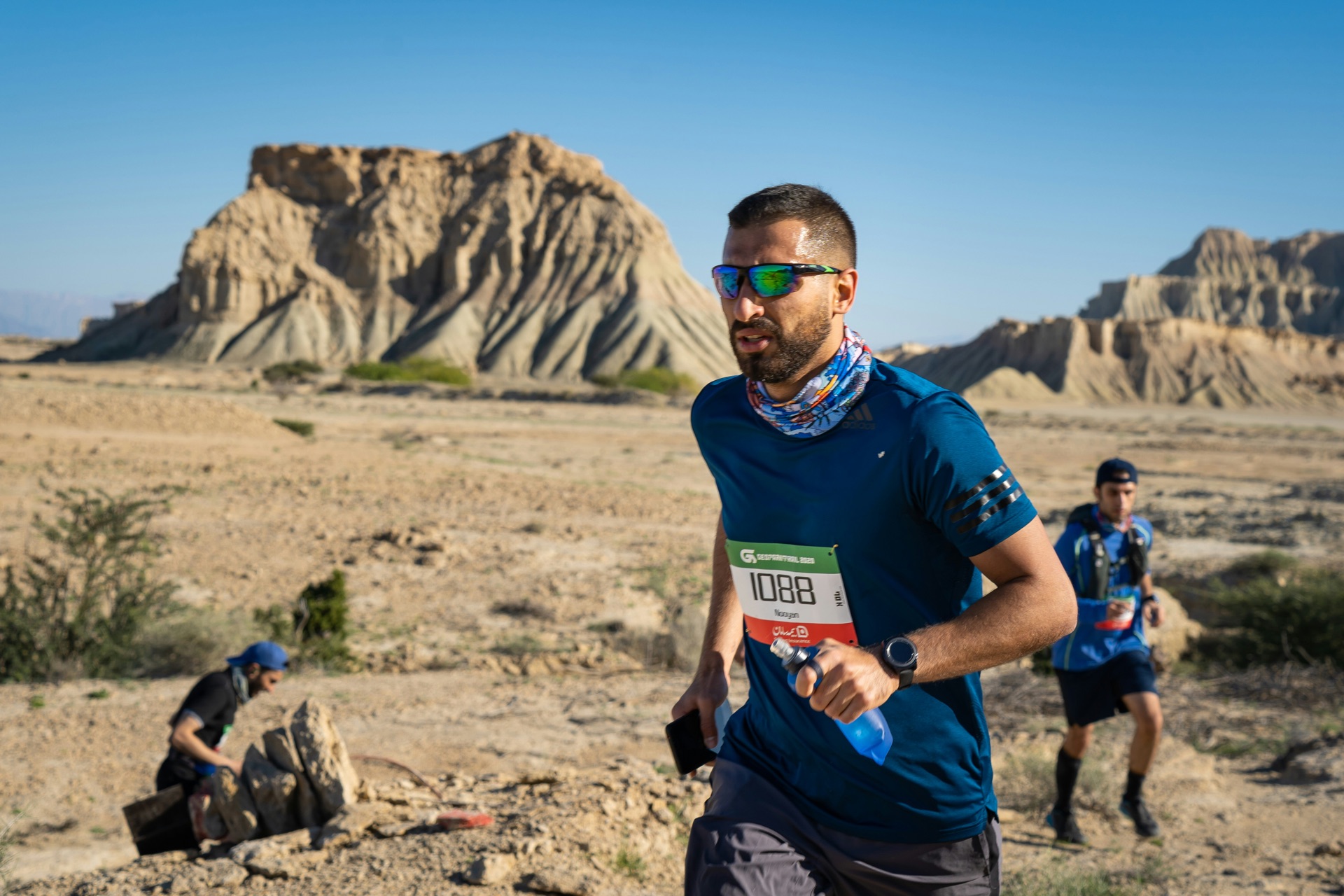
Heel pain is one of the most common issues we see in runners, hikers, backpackers, and people who spend a lot of time on their feet (I’m looking at you, teachers!) at Backcountry Physical Therapy in Colorado Springs. Most people are told they have plantar fasciitis, given a few stretches, maybe a night splint, and sent on their way. Sometimes that works. Often it doesn’t.
The result is usually the same: months of modified activity, frustration, and pain that improves just enough to stay tolerable but never really goes away. My goal with this article is to explain what plantar fasciitis actually is, why it’s so common in endurance and outdoor athletes, and how to approach it in a way that leads to lasting improvement rather than temporary relief.
What actually is the Plantar Fascia?
Our plantar fascia is a thick band of connective tissue that runs from the heel to the toes. Its primary roles are to support the arch of the foot and to help transfer force during walking, running, and hiking.
Functionally, it behaves much like a tendon. It stores and releases energy, tolerates repeated loading, and responds to stress by adapting over time. Because of this, plantar fasciitis behaves much more like a tendinopathy than a simple inflammatory condition.
This distinction matters, because treating it like an inflammatory problem often leads to incomplete results and a pattern of relapsing and remitting symptoms. Physical Therapists near Colorado Springs can help with this distinction.
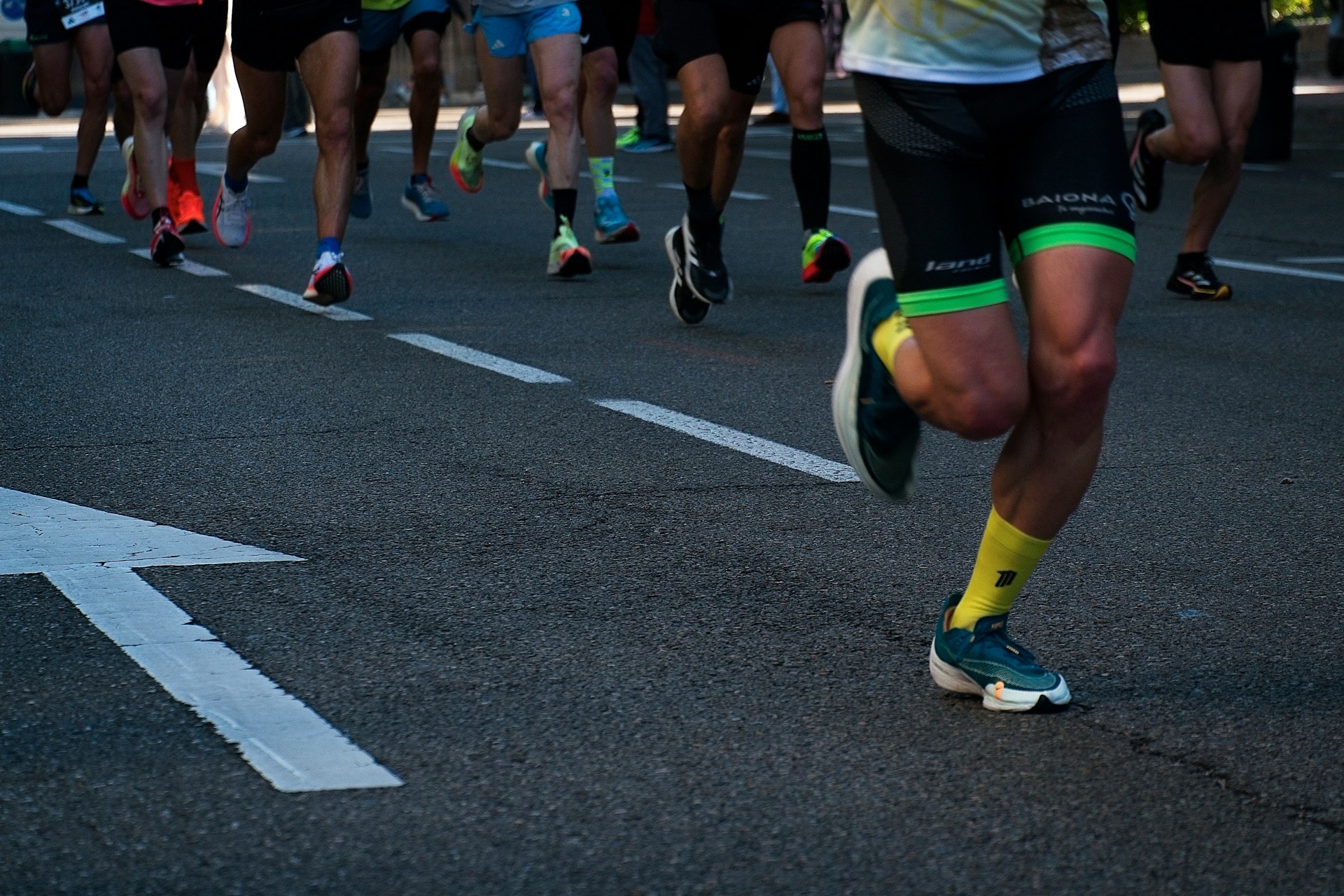
Working toward pain relief in active individuals in Colorado Springs.
What is Plantar Fasciitis (and what it isn’t)?
Despite the name, plantar fasciitis is rarely a purely inflammatory condition, especially once it has been present for more than a few weeks. In most chronic cases, it represents a failed healing response of the plantar fascia rather than ongoing inflammation.
People often describe:
- Sharp heel pain with the first few steps in the morning
- Pain after prolonged sitting
- Pain that improves with activity but worsens later in the day
- Increasing sensitivity after longer runs, hikes, or days on their feet
This pattern is classic for tissue that doesn’t tolerate load well. The fascia becomes sensitive to stress, stiff when unloaded, and painful when demand exceeds capacity.
Why Runners, Hikers, and Backpackers Are Especially Prone
Plantar fasciitis is rarely caused by a single factor. Instead, it develops when the demands placed on the foot exceed what the tissue can currently handle. In runners and hikers near Colorado Springs, this often happens in predictable ways.
Common contributing factors include:
- Rapid increases in running mileage or hiking volume
- Long downhill descents that increase foot and calf demand
- Carrying heavy packs over uneven terrain
- Transitioning footwear too quickly (minimalist shoes, stiff boots, worn-out shoes)
- Limited ankle mobility leading to increased foot loading
- Weakness or poor load tolerance of the calf-Achilles-foot complex
Often, none of these are problematic on their own. The issue arises when multiple factors stack together over time.
Why Rest, Stretching, and Ice Often Fall Short
Most people respond to plantar heel pain by doing less. They rest, ice, stretch their calves and feet, and wait for symptoms to settle. This often reduces pain temporarily, but it doesn’t address the underlying issue.
The problem is simple: rest reduces symptoms, but it doesn’t improve tissue capacity.
Plantar fascia, like tendons and bones, requires load to adapt. Removing load entirely can actually make the tissue less tolerant over time. This is why pain often returns as soon as running or hiking resumes. In addition, overly supportive shoes and total reliance on orthotics can contribute to this by decreasing the strength of your intrinsic foot muscles over time.
Stretching and protective shoes in Colorado Springs can be helpful early on, especially for reducing initial flare ups in symptoms, but stretching alone does not meaningfully increase the load tolerance of the plantar fascia.
The Key to Recovery: Progressive Loading of the Foot and Calf
Successful treatment of plantar fasciitis near Colorado Springs requires gradually improving the foot’s ability to tolerate load. This means applying stress intentionally and progressively rather than avoiding it altogether.
A general progression looks like this.
Early Stage: Low-Intensity Loading and Symptom Control
In the early phase, the goal is to introduce load without significantly flaring symptoms.
Examples include:
Plantar fascia:
- Seated or standing foot loading with controlled pressure through the forefoot
- Intrinsic foot isolation exercises performed slowly and intentionally
Calf-Achilles complex:
- Double-leg calf raises through a comfortable range
- Isometric calf holds to reduce pain and improve tolerance
Protective shoes and orthotics:
- Wearing cushy shoes like Hokas out in public and some sort of supportive shoe in the house can be very helpful for cutting your symptoms down
- Allows for time to build strength while your symptoms subside
At this stage, pain should remain low and predictable. Some discomfort is acceptable, but symptoms should settle within 24 hours.
Mid Stage: Controlled Strength Through Range
Once symptoms are more stable, loading needs to increase in both intensity and range of motion.
Examples include:
Plantar fascia:
- Heel raises performed through full foot contact
- Slow tempo calf raises emphasizing time under tension
Calf-Achilles-foot integration:
- Step-downs with controlled foot contact
- Loaded walking or incline treadmill work
- Farmer carries
- Walking marches
This phase is where real adaptation begins. Consistency with treatment and physical therapy near Colorado Springs matters more than intensity.
Late Stage: Higher Load and Sport-Specific Demands
For runners and hikers, general strengthening alone is often not enough. The plantar fascia must tolerate higher loads, faster loading rates, and prolonged stress.
Examples include:
Runners:
- Progressive return to running with structured volume increases
- Plyometric drills to prepare for impact loading
- Hill and downhill exposure added gradually
Hikers and backpackers:
- Weighted step-ups and step-downs
- Loaded carries to simulate pack weight
- Long-duration walking under controlled conditions
- Walking lunges
The goal at this stage is resilience. We want the tissue to tolerate mistakes, fatigue, and unexpected terrain without flaring symptoms in Colorado Springs.
Your Foot Doesn’t Work in Isolation
Plantar fasciitis is rarely just a foot problem. The plantar fascia is influenced by everything above it.
Key areas that often need attention include:
- Calf strength and endurance
- Ankle mobility
- Hip and trunk control during gait
- Load management across the entire training week
If the calf and Achilles cannot tolerate load, the foot often compensates. If hip control is lacking, foot mechanics are altered. Addressing the system as a whole with a physical therapist in Colorado Springs leads to better long-term outcomes.
When to Be Concerned
While plantar fasciitis is common, not all heel pain is plantar fasciitis. You should consider further evaluation if:
- Pain is severe and worsening despite reduced activity
- Pain is present at rest or at night
- There is significant swelling or bruising
- Pain does not improve with progressive loading over several weeks
Stress fractures, calf or achilles pain, nerve irritation, and other conditions can mimic plantar fasciitis and require different management.
Bottom Line
Plantar fasciitis is not something you need to fear, but it is something you need to respect. It develops when the demands placed on your foot exceed its current capacity, and it resolves when that capacity is rebuilt intentionally.
With the right approach and physical therapy in Colorado Springs, most runners, hikers, and backpackers can return to full activity without chronic pain or repeated flare-ups.
If you’re dealing with stubborn heel pain or unsure how to progress safely, working with a physical therapist near Colorado Springs who understands endurance and outdoor athletes can make the difference between months of frustration and a confident return to training.
We proudly serve active individuals in Colorado Springs, Manitou Springs, Briargate, Falcon, Rockrimmon, and surrounding areas.
📞 Call us today or 📧 book your evaluation to get started with Physical Therapy near Colorado Springs: (719) 285-9670