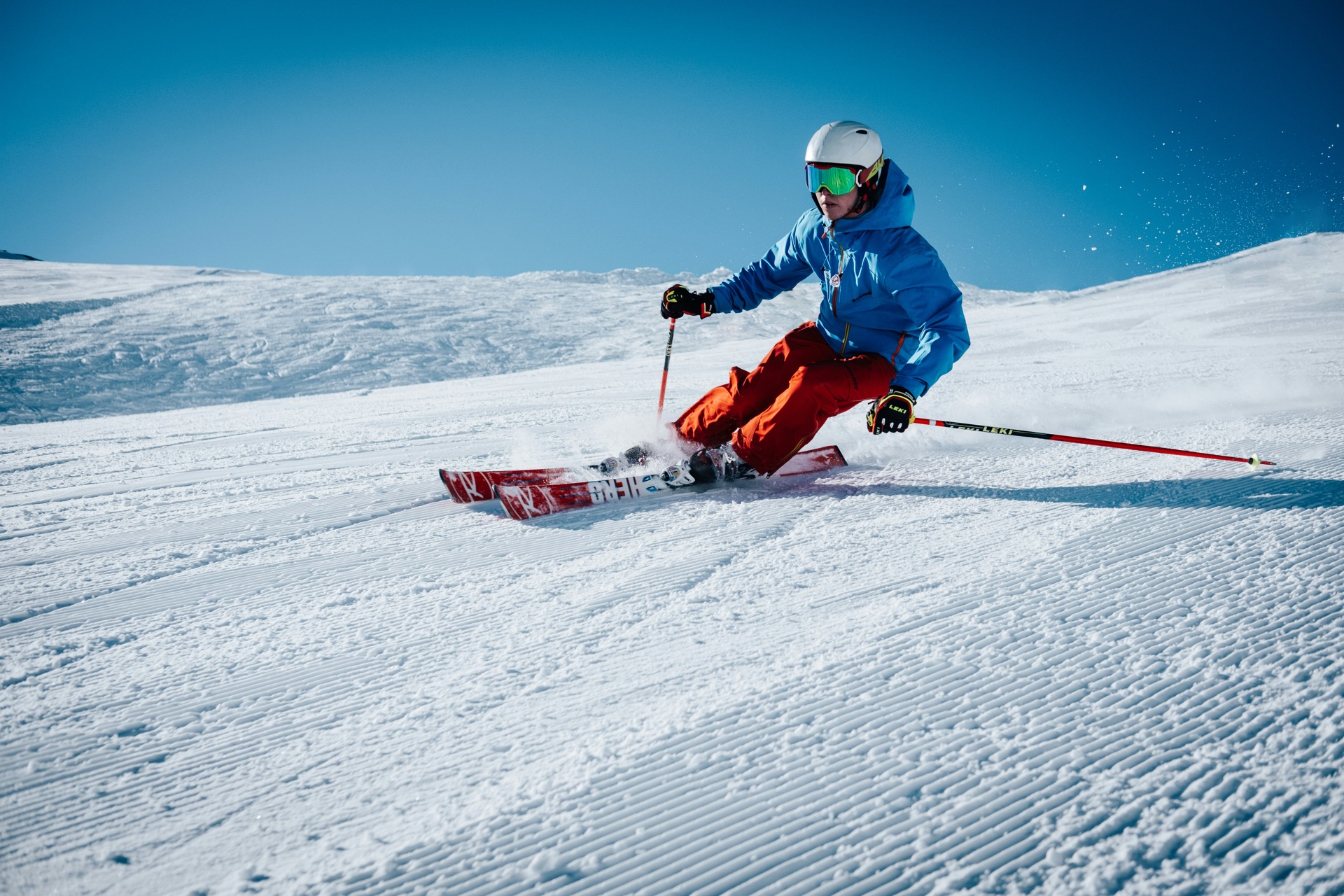
When the snow starts to fall in the Rockies, skiers across Colorado start itching to get back on the mountain. Ski season brings fresh powder, adrenaline, and adventure, but it also brings an uptick in injuries. From ACL tears to shoulder dislocations, ski injuries can sideline even the most experienced mountain athletes.
At Backcountry Physical Therapy, we help Colorado’s skiers, snowboarders, and mountain athletes move stronger and smarter, so they can enjoy the entire season pain-free. A little prep goes a long way in keeping you on the slopes.
Let’s break down the most common ski injuries, why they happen, and how you can prevent them with physical therapy in Colorado Springs.
Common Ski Injuries
Even seasoned skiers are vulnerable to injuries, especially early in the season when conditioning may be lower and terrain can be unpredictable. The most frequent ski injuries we see as physcial therapists in the clinic include:
- ACL Tears
- The anterior cruciate ligament (ACL) is one of the most commonly injured structures in skiing. It often happens during a twisting fall, awkward landing, or when the ski doesn’t release from the binding. Women and less-experienced skiers are at slightly higher risk.
- Prevention tip: Strong quadriceps, glutes, and hamstrings help stabilize the knee and absorb force during quick changes in direction or terrain. Balance training is also essential for better control on uneven snow.
- MCL Sprains
- The medial collateral ligament (MCL) is injured when the knee collapses inward, often from catching an inside edge or sudden impact. Mild MCL sprains can heal well with rest and rehab, but severe sprains can limit your season.
- Prevention tip: Strengthen the hip abductors and external rotators to help control knee alignment during turns and landings.
- Shoulder Dislocations or Labral Tears
- Falls with an outstretched arm can lead to shoulder dislocations or labral tears. These injuries can take months to recover and sometimes require surgery.
- Prevention tip: Strengthen the rotator cuff and shoulder stabilizers with exercises like external rotations, scapular retractions, and overhead stability drills.
- Wrist and Thumb Injuries (“Skier’s Thumb”)
- When you fall with your hand around a ski pole, the thumb can bend outward, spraining or tearing the ulnar collateral ligament (UCL). This is known as skier’s thumb.
- Prevention tip: Drop your poles during a fall, and maintain grip strength and forearm stability with resistance and grip training.
Why Skiers Get Injured
Understanding the “why” behind ski injuries especially in athletes near Colorado Springs helps you target the real problem, not just the symptoms.
Here are the top reasons we see injuries on the mountain:
Overconfidence early in the season: Early-season snowpack and inconsistent conditions increase fall risk.
Poor preseason conditioning: Weak glutes, core, and hamstrings mean less control and power.
Fatigue: As your legs tire, technique and reaction time drop fast.
Decreased balance and proprioception: Skiing demands constant micro-adjustments; if your balance system isn’t tuned up, you’re at risk.
Limited mobility: Tight hips, ankles, or thoracic spines make it harder to stay in proper alignment through turns.
Equipment issues: Improperly fitted boots, skis, or bindings can throw off your mechanics.
The Role of Strength Training in Ski Injury Prevention
Skiing is a power sport that requires dynamic strength, endurance, and control. Building a strong base in the gym before hitting the slopes is one of the most effective ways to stay injury-free.
Focus Areas:
- Lower Body Strength
- Squats, lunges, step-downs, and deadlifts mimic the movements of skiing and improve force absorption
- Eccentric control (slow lowering) builds resilience against sudden deceleration
- Core Stability
- Anti-rotation and anti-extension exercises (like planks, Pallof presses, and dead bugs) improve trunk control and reduce back strain
- A strong core keeps your upper and lower body working together efficiently through turns
- Hip and Glute Strength
- Glute medius and glute max are key for controlling knee position and maintaining balance
- Try single-leg bridges, lateral band walks, and curtsy step-ups
- Balance and Proprioception
- Use a BOSU, balance board, or single-leg stance drills to train your stability systems
- These exercises teach your body to react quickly to changing terrain
- Cardiovascular Endurance
- Build aerobic capacity with hiking, trail running, or interval training so you can stay sharp throughout the day

Working toward pain relief in active individuals in Colorado Springs.
Mobility and Recovery Matter Too
Strength without mobility can create stiffness, which is just as risky.
Make time for:
- Hip and ankle mobility drills to maintain deep knee flexion and good edging form
- Thoracic spine rotations to help your upper body follow your turns
- Soft tissue recovery (foam rolling, massage, or mobility work) to reduce muscle tightness and soreness
Post-ski recovery is just as important; hydration, nutrition, and rest help your body adapt and come back stronger for your next run.
The Value of Preseason and In-Season Physical Therapy
At Backcountry Physical Therapy, we specialize in helping athletes near Colorado Springs prepare for the demands of their sport, not just recover from injuries.
A preseason PT session can help you:
- Identify mobility restrictions or muscle imbalances before they cause problems
- Build a custom strength and stability program tailored to your ski goals
- Improve your balance and movement mechanics to reduce fall risk
- Learn recovery strategies to keep your body performing all season long
Even during the season, ongoing check-ins can help you manage soreness, maintain strength, and stay ready for that next powder day.
When to Seek Help
Don’t wait for pain to tell you something’s wrong.
See a physical therapist in Colorado Springs if you notice:
- Lingering knee, hip, or back pain
- Loss of motion or stiffness that doesn’t improve
- A feeling of instability or weakness
- Pain after falls or long ski days
Early intervention means faster recovery and fewer missed days on the mountain.
Final Thoughts
Skiing is one of the most exhilarating ways to enjoy the Rockies, but it’s also demanding. A strong, stable, and well-conditioned body is your best protection against injury.
By coming in for physical therapy, building strength, improving mobility, and addressing weak links before they become problems, you’ll not only ski better, you’ll ski longer.
At Backcountry Physical Therapy, we’re here to help you stay in motion all winter long. Whether you’re recovering from an injury or looking to prevent one, our performance-based, one-on-one care helps you move with confidence on and off the mountain.
We help active individuals in Colorado Springs, Manitou Springs, Briargate, Falcon, Rockrimmon, and surrounding areas!
📞 Call us today or 📧 book your evaluation with us to get started with your Physical Therapy in Colorado Springs (719) 285-9670