
For many runners in Colorado Springs, the idea of spending time in the gym lifting weights feels unnecessary. After all, if your goal is to run farther or faster, shouldn’t you spend all your training time running? At Backcountry Physical Therapy, where we work with Rocky Mountain athletes ranging from recreational trail runners to ultramarathoners, we hear this concern often.
The truth is that weight lifting is one of the most powerful tools a runner can use to improve performance and reduce injury risk. Strength training builds resilience in muscles, tendons, and joints, allowing you to handle the repetitive demands of running more efficiently. Whether you run on the roads, trails, or high alpine terrain, adding weight lifting to your training can help you run stronger, longer, and with fewer setbacks.
In this article, we will break down why weight lifting matters for runners, the science behind it, specific benefits for trail and mountain athletes, and how to safely add it into your training routine.
Why Weight Lifting is Important for Runners
Running is a high-impact, repetitive sport. Every stride places forces equivalent to two to three times your body weight through your legs. When you add elevation gain, uneven terrain, or long-distance training, those loads multiply.
Without adequate strength, the body begins to compensate. Over time, this can lead to common overuse injuries like:
- Runner’s knee (patellofemoral pain syndrome)
- Shin splints
- IT band syndrome
- Achilles tendinopathy
- Plantar fasciitis
- Stress fractures
Weight lifting directly addresses these risks by increasing tissue capacity. In other words, your muscles, tendons, ligaments, and bones become stronger and more resilient, able to absorb and distribute running loads more effectively.

The Science of Strength Training and Running
Research consistently supports the role of strength training in improving running performance. Key findings include:
- Improved Running Economy: Runners who lift weights use less energy at the same pace. This means you can run farther or faster with less effort.
- Increased Force Production: Stronger muscles generate more power, which translates into improved speed and hill climbing ability.
- Enhanced Neuromuscular Coordination: Weight lifting increases the communication between your brain and muscles, improving stride efficiency.
Injury Reduction: Studies show strength training significantly reduces overuse injuries in runners by addressing muscular imbalances and improving load tolerance.
Benefits of Weight Lifting for Runners
1. Stronger, More Resilient Muscles and Tendons
Strength training in Colorado Springs increases the ability of muscles and tendons to tolerate repetitive loading. For mountain and trail runners tackling steep climbs and descents, this is crucial. A stronger posterior chain (glutes, hamstrings, calves) means less strain on the knees and lower legs.
2. Better Running Economy
Running economy is essentially how much oxygen and energy you need to maintain a pace (think of it as your car’s economy– miles per gallon; with improved running economy you can go farther (miles) with less energy expended). Weight lifting improves neuromuscular efficiency, meaning your body uses less energy to maintain form, especially at faster paces or longer distances.
3. Enhanced Power and Speed
Even endurance athletes benefit from explosive strength. Lifting weights develops fast-twitch muscle fibers that help with sprint finishes, powering up steep climbs, and bounding over technical terrain.
4. Improved Bone Density
Running does stress bones, but weight lifting adds progressive load that stimulates even greater bone density improvements. This reduces the risk of stress fractures, which are common in runners with high mileage.
5. Injury Prevention
Perhaps the most important benefit: weight lifting protects against injury. Many running injuries stem from weak stabilizing muscles, imbalances between the quads and hamstrings, or insufficient hip and core strength. Strength training near Colorado Springs builds balance across muscle groups, keeping you running consistently without long breaks for recovery.
6. Confidence on the Trails and Slopes
For Rocky Mountain athletes, strength is more than just injury prevention. It allows you to handle steep, technical terrain with control and stability. When your legs and core are strong, you move more confidently, whether you are running down Pikes Peak or climbing a 14er.
Key Muscle Groups Runners Should Target
Not all strength training is created equal. Runners benefit most from functional, compound movements that strengthen the entire kinetic chain. Focus areas include:
- Glutes: Crucial for propulsion and stability. Weak glutes often contribute to knee and hip pain.
- Hamstrings: Support hip extension and control the swing phase of running.
- Quads: Important for downhill running, deceleration, and climbing.
- Calves: Absorb significant force with each step and contribute to forward drive.
- Core: Provides stability, posture, and efficiency in stride.
- Upper Body: Helps maintain posture and arm swing, especially during long runs and climbs.
Best Strength Exercises for Runners
You do not need to spend hours in the gym. Two to three sessions per week for even 20-30 minutes, focusing on compound lifts and functional strength, is enough to see significant improvements. Here are some essentials:
- Squats (back, front, or goblet)
- Deadlifts (conventional, Romanian, or single-leg)
- Lunges and Step-ups
- Calf Raises (double and single-leg)
- Hip Thrusts and Glute Bridges
- Planks and Anti-Rotation Core Work
- Pull-Ups and Rows for upper body strength
**For runners especially, incorporating single-leg strength work is extremely important since running is essentially a series of one-legged hops.
How to Incorporate Weight Lifting Into a Running Routine
- Start Small and Build Gradually
- If you are new to lifting, begin with bodyweight exercises and light resistance. Focus on form before adding heavy loads.
- Lift Heavy for Strength, Not Just Endurance
- Many runners in Colorado Springs mistakenly believe they should only do high-rep, low-weight exercises. In reality, heavier lifting (8-12 reps) builds more strength and resilience. A mix of heavy lifting and moderate-load endurance work is best.
- Prioritize Quality Over Quantity
- Two to three strength sessions per week is plenty for most runners. These can be short, focused workouts lasting 20-30 minutes.
- Coordinate With Your Running Program
- Place strength workouts on harder run days or after runs to keep easy/recovery days truly easy. This approach balances stress and recovery.
Weight Lifting for Trail Runners and Mountain Athletes
For runners in Colorado Springs and across the Rocky Mountains, weight lifting has even more value. Technical trails, steep grades, altitude, and variable terrain demand a higher level of strength and control.
- Downhill running: Strong quads and core reduce knee stress and improve control.
- Uphill climbing: Glute and calf strength provide the power needed for vertical gain.
- Technical terrain: Single-leg strength and stability help you adapt to uneven surfaces.
Snow sports crossover: Skiers, snowboarders, and mountaineers also benefit from strong legs and core, making strength training a year-round advantage.
Common Myths About Strength Training for Runners
- “Lifting will make me bulky and slow.”
- Wrong. Runners lack the caloric surplus and training style needed for significant hypertrophy. Strength training makes you leaner and more powerful, not bulky.
- “Running is enough to keep my legs strong.”
- Running builds endurance, but not maximal strength or stability. Without supplemental lifting, key muscles can remain underdeveloped.
- “Strength training takes too much time.”
- Even two short sessions per week can lead to noticeable improvements in performance and injury prevention.
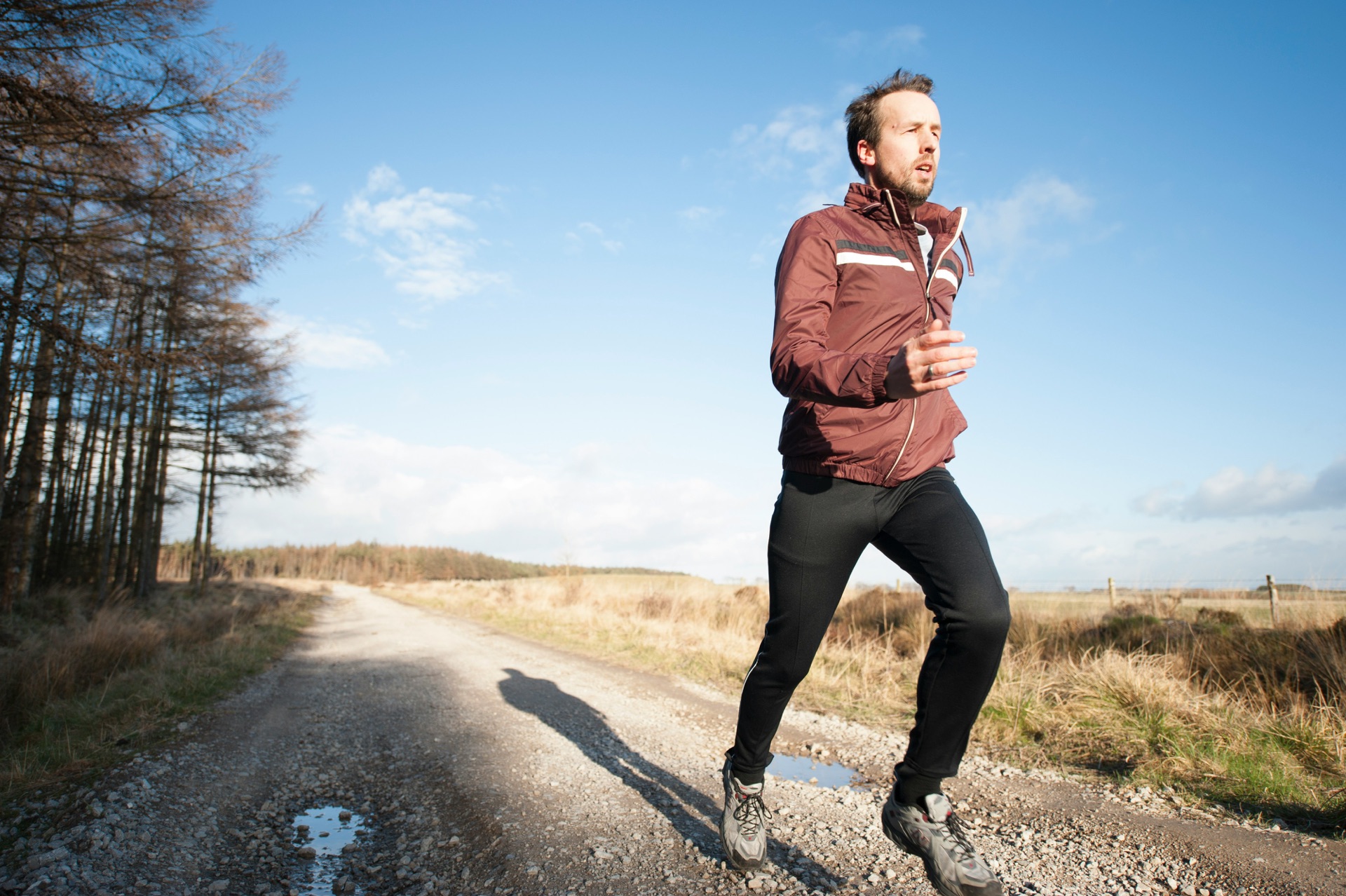
Working toward pain relief in active individuals in Colorado Springs.
Why Backcountry Physical Therapy Emphasizes Strength for Runners
At Backcountry Physical Therapy, we specialize in helping Rocky Mountain athletes stay healthy and perform at their best through physical therapy in Colorado Springs. When we evaluate injured runners, lack of strength and stability is one of the most common root causes we see.
Our approach goes beyond simply prescribing rest. We build individualized strength and mobility programs to address each runner’s unique needs. By combining physical therapy expertise with performance-focused training, we help runners not just recover, but thrive.
Conclusion: Stronger Runners Are Better Runners
If you want to run faster, longer, and with fewer injuries, weight lifting is not optional — it is essential! Strength training gives you the resilience to handle miles of pounding on the road, climbs up steep trails, and descents down rugged mountain terrain.
As a runner in Colorado, you are already training in one of the toughest and most beautiful environments in the country. Adding strength training ensures your body is prepared for the challenge.
At Backcountry Physical Therapy, we help runners and mountain athletes build the strength they need to keep exploring the peaks, trails, and backcountry of the Rockies.
👉 Ready to take your running to the next level?
Schedule a session with us at Backcountry Physical Therapy. Let’s build the strength you need to run stronger, prevent injuries, and keep chasing the mountains you love.
📞 Call us today or 📧 book your evaluation with us to get started with your Colorado Springs medical bike fit (719) 285-9670
📍 Serving Colorado Springs, Manitou Springs