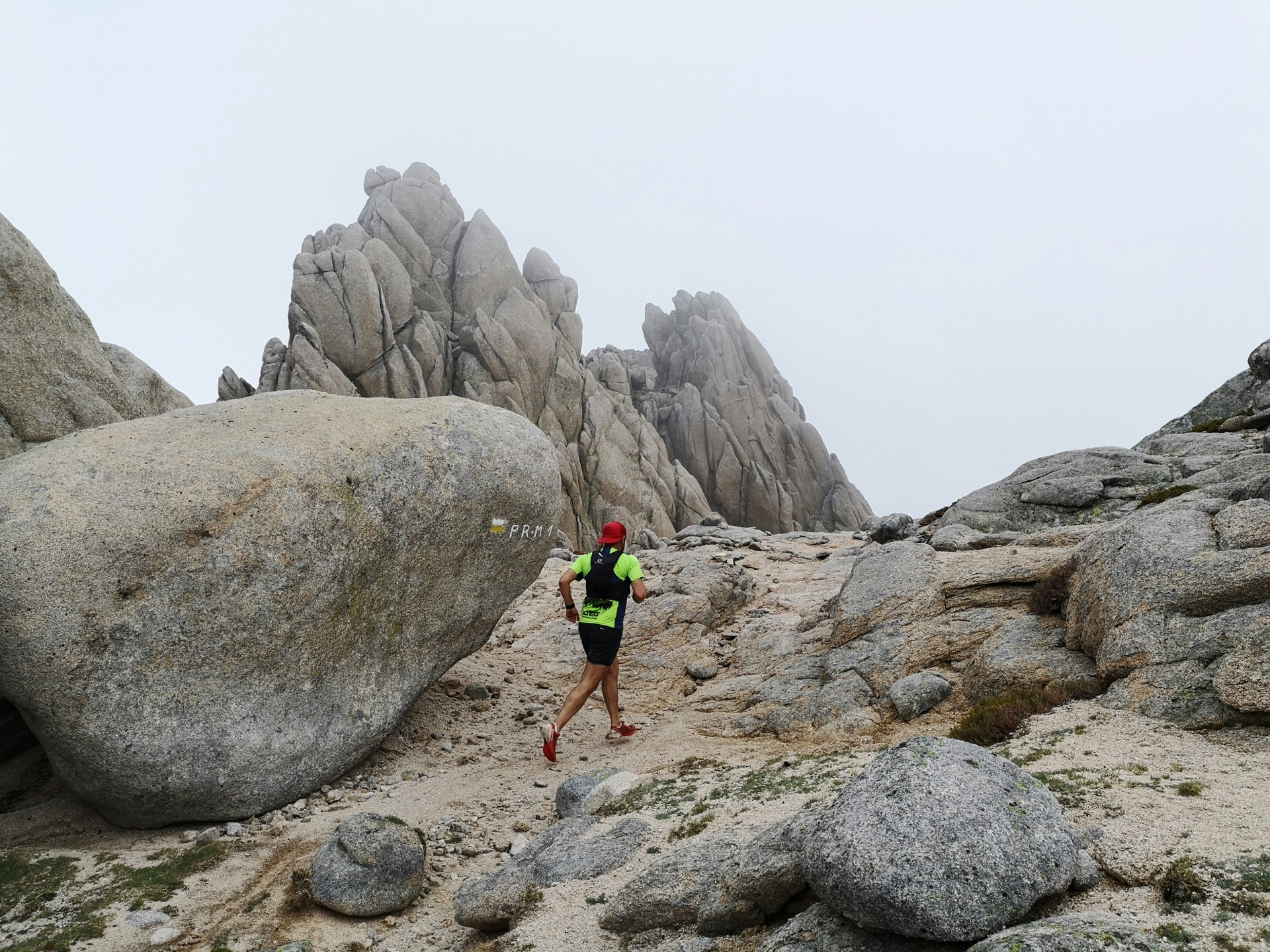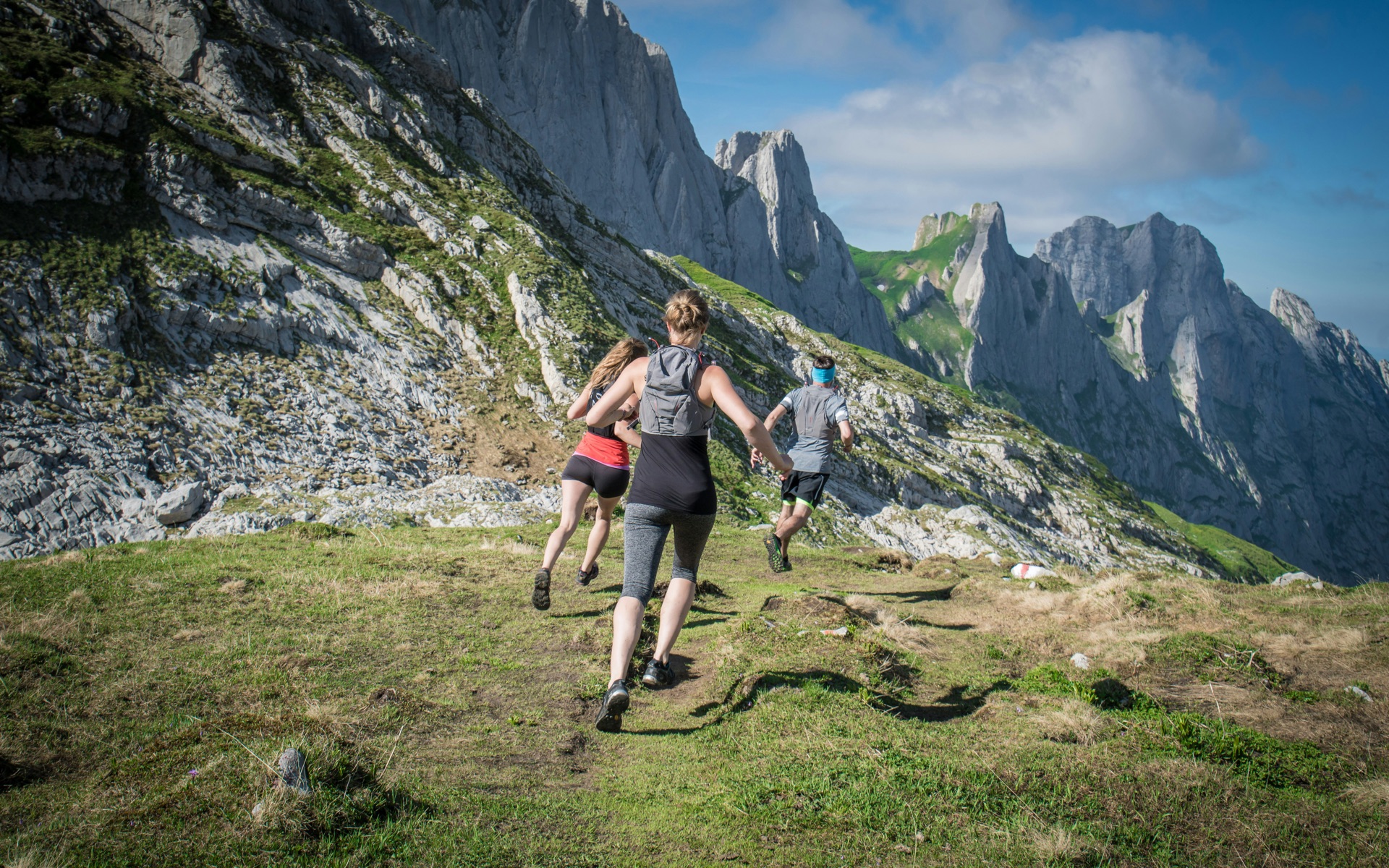
Knee pain is one of the most common issues we treat at Backcountry Physical Therapy here in Colorado Springs. Whether it’s runners logging miles on the trails, hikers climbing Fourteeners, or skiers carving down the slopes, knee pain has a way of slowing athletes down and keeping them from the sports they love.
Here’s the surprising truth: your knee pain may not be coming from your knee at all.
For many athletes in Colorado Springs, the real problem lies higher up… in the hips. Weak hips can directly contribute to poor knee alignment, increased stress on the joint, and chronic pain. The good news? Strengthening your hips is one of the most effective ways to relieve knee pain and prevent future injuries.
In this article, we’ll explore the connection between hip strength and knee pain, why it matters for Rocky Mountain athletes, and how targeted strengthening can help you stay active without pain.
Why Does Hip Strength Matter for Knee Pain?
The knee is what we call a “hinge joint.” It bends and straightens, but it doesn’t have much ability to rotate or stabilize itself. That job belongs to the hip above and the ankle below.
When the hips are strong, they stabilize the femur (thigh bone) and keep the knee aligned properly during movement. But when the hip muscles, especially the glutes, are weak, the knee is forced into poor positions that increase stress and irritation.
The Role of the Glutes
Gluteus Medius: Controls side-to-side stability. Weakness here causes the thigh to drift inward, putting stress on the inside of the knee.
Gluteus Maximus: The powerhouse muscle of the hip. Provides propulsion and helps control thigh rotation. Weakness here leads to inward collapse of the knee (knee valgus).
Deep Hip Rotators: Provide fine-tuned control of the femur. Weakness here can contribute to faulty tracking of the kneecap.
When these muscles don’t do their job, the knee becomes the victim.
How Weak Hips Lead to Knee Pain
Let’s break down exactly what happens when hip strength is lacking:
- Knee Valgus (Inward Collapse): During running, squatting, or landing, the knees collapse inward if the hips can’t stabilize the legs. This is a major cause of patellofemoral pain syndrome (“runner’s knee”) and even ACL injuries.
- Poor Patellar Tracking: The kneecap glides over the femur as you bend and straighten. If the femur rotates inward from weak hips, the kneecap is pulled out of alignment, causing pain in the front of the knee.
- Overuse of the Quads: Without hip support, the quadriceps work overtime to control motion. This can lead to irritation of the patellar tendon (jumper’s knee).
- Increased Stress on Downhill Activities: For trail runners, hikers, and skiers, downhill motion places high loads on the knee. Weak hips mean the knee absorbs more shock, increasing the risk of IT band syndrome and other overuse injuries.

Working toward pain relief in active individuals in Colorado Springs.
Real-Life Example: A Trail Runner
Imagine you’re running down a technical trail. Every step requires your hip muscles to stabilize your pelvis and control your thigh bone. If your hips are weak, your knees collapse inward with each stride. Over miles of running, that repetitive stress builds into pain.
This is why many runners in Colorado develop knee pain not from a traumatic event, but gradually over time. The knee is simply absorbing too much stress from weak hip support.
Research Behind Hip Strengthening and Knee Pain
This isn’t just theory. Numerous studies have shown that strengthening the hips reduces knee pain:
- Athletes with patellofemoral pain often show hip abductor and external rotator weakness compared to healthy athletes.
- Targeted hip strengthening programs lead to significant improvements in knee pain and function.
- Preventive training programs for ACL injury (common in skiers and soccer players) often include hip and glute work to reduce knee valgus forces.
Bottom line: hip strength isn’t optional; it’s essential for protecting your knees!
Signs Your Knee Pain May Be Coming from Weak Hips
Wondering if your hip weakness is behind your knee pain? Here are some red flags:
- Your knees cave inward when you squat or lunge
- You notice pain going downstairs or downhill more than uphill
- Your hips feel weak or burn out quickly on long runs
- You’ve been diagnosed with runner’s knee, IT band syndrome, or patellar tendonitis
- Your knee pain doesn’t improve with just rest or stretching
If these sound familiar, it’s time to start strengthening your hips.
Preventing Knee Pain with Hip Strengthening
To keep your knees healthy on the trails, slopes, and roads:
- Add hip strengthening 2–3 times per week to your training
- Train both strength and control (think heavy lifts + balance drills)
- Don’t forget single-leg exercises since running, hiking, and skiing are all single-leg sports
- Pair strength with mobility in the hips and ankles for full joint health
When to See a Physical Therapist
Sometimes knee pain won’t go away with exercises alone. That’s where professional help comes in. At Backcountry Physical Therapy, our physical therapists in Colorado Springs specialize in evaluating movement, identifying weaknesses, and designing programs tailored to Rocky Mountain athletes.
You should consider seeing a PT if:
- Knee pain lasts more than 2 weeks
- Pain limits your running, hiking, or skiing
- Your knee feels unstable or swollen
- You’ve tried strengthening but pain persists
Our cash-based model means you get one-on-one, customized care without the limitations of insurance that focuses on what you love, whether that’s summiting peaks, skiing powder, or logging trail miles.
Final Thoughts
Knee pain is frustrating, but it doesn’t have to sideline you. In many cases, the solution lies not in the knee itself, but in strengthening the hips. By addressing the root cause with physical therapy in Colorado Springs, you can reduce pain, improve performance, and stay active in the Rockies without limits.
👉 If knee pain is slowing you down, contact Backcountry Physical Therapy today. We’ll help you build strength, fix imbalances, and get back to the activities you love. We help active individuals in Colorado Springs, Manitou Springs, Briargate, Falcon, Rockrimmon, and surrounding areas!
📞 Call us today or 📧 book your evaluation with us to get started with your Physical Therapy in Colorado Springs (719) 285-9670