If you’re an active runner, hiker, or skier in the Rockies, you know how much your feet and ankles matter. They absorb impact, stabilize your body, and keep you moving on uneven terrain. Sometimes, pain develops on the inside of the ankle and foot, often from a condition called tibialis posterior tendinitis.
At Backcountry Physical Therapy in Colorado Springs, we see this injury often in runners, trail athletes, and outdoor enthusiasts. It can be frustrating because it starts small but can become debilitating if left untreated.
This article will cover what tibialis posterior tendinitis is, what causes it, how to recognize it, and how to recover and get back to the activities you love.
What Is Tibialis Posterior Tendinitis?
The tibialis posterior is a small but powerful muscle that runs along the inside of your shin, behind your ankle bone, and attaches to the arch of your foot. Its main jobs are to:
- Support the arch of the foot
- Invert the foot (turn the sole inward)
- Assist with stabilizing the ankle during walking, running, and climbing
When this tendon becomes irritated from overuse, repetitive strain, or poor biomechanics, it leads to tibialis posterior tendinitis.
Over time, untreated tendinitis can progress into tibialis posterior tendon dysfunction (TPTD), which may cause the arch to collapse and result in flatfoot deformity. That’s why catching and treating it with physical therapy in Colorado Springs early is so important.
Causes of Tibialis Posterior Tendinitis
This injury is usually caused by a combination of overuse and poor mechanics. Common causes include:
- Overtraining (sudden increase in mileage or elevation gain)
- Trail running or hiking on uneven surfaces
- Weak hip and core strength, leading to poor foot mechanics
- Flat feet or overpronation (when the foot collapses inward)
- Improper footwear (worn-out shoes or lack of support)
- Skiing and climbing – activities that stress the ankle stabilizers
Athletes who spend a lot of time running downhill or carrying heavy packs (like backpackers) are especially at risk.
Symptoms of Tibialis Posterior Tendinitis
Signs that your tibialis posterior tendon may be irritated include:
- Pain or swelling along the inside of the ankle or foot
- Pain that gets worse with activity (especially running, hiking, or climbing stairs)
- Tenderness behind the medial malleolus (the bony bump on the inside of your ankle)
- Pain with standing on your toes or pushing off during running
- A feeling of weakness or instability in the arch
- Over time: flattening of the arch and “rolling in” of the ankle
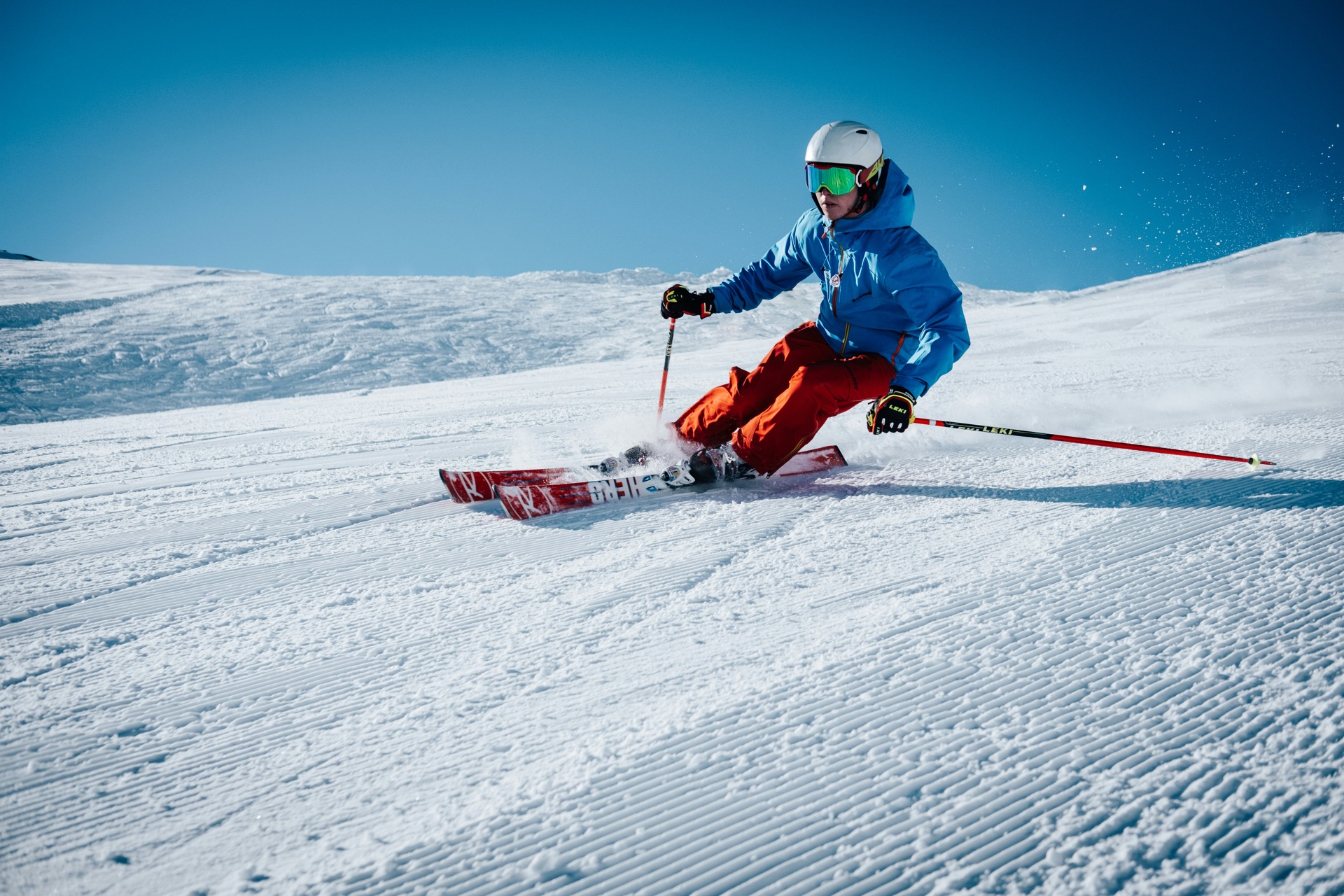
Working toward pain relief in active individuals in Colorado Springs.
Why Early Rehab Is Crucial
Tibialis posterior tendinitis can worsen if ignored. Without proper rehab or physical therapy near Colorado Springs, the tendon can lengthen and weaken, leading to permanent arch collapse. This not only causes pain but also changes your walking and running mechanics, setting you up for knee, hip, and even back pain.
Rehab addresses the root causes by:
- Restoring tendon strength and resilience
- Improving foot and ankle mechanics
- Correcting hip and core weakness
- Guiding footwear or orthotic choices
- Preventing progression into chronic dysfunction
Treatment Options for Tibialis Posterior Tendinitis
At Backcountry Physical Therapy, we tailor treatment to your injury stage, activity level, and goals.
Early Stage (Reducing Pain & Irritation)
- Rest and activity modification (avoid hills, high mileage, or uneven terrain temporarily)
- Ice or heat to control pain
- Supportive footwear or taping for arch support
- Gentle mobility and stretching
Middle Stage (Restoring Strength & Stability)
- Strengthening exercises for the tibialis posterior, calf, and foot muscles
- Balance and proprioception training to improve ankle stability
- Hip and core strengthening to correct mechanics higher up the chain
Late Stage (Return to Sport)
- Plyometrics (jumping, hopping) for tendon resilience
- Sport-specific drills (trail running, hiking descents, skiing prep)
- Gradual return-to-run program or hiking progression
Best Exercises for Tibialis Posterior Tendinitis
Here are a few go-to exercises we often prescribe (modify based on pain and stage of recovery):
1. Tibialis Posterior Strengthening (Band Inversion)
- Sit with a resistance band around your foot.
- Turn your foot inward against the band.
- 3 sets of 10–15 reps.
2. Heel Raises with a ball between your ankles
- Place a tennis, golf, or lacrosse ball between your ankles
- Focus on keeping the arch lifted as you rise up.
- 3 sets of 10–15 reps.
3. Arch Doming (Short Foot Exercise)
- While standing, try to lift your arch without curling your toes.
- Hold for 5–10 seconds.
- Builds intrinsic foot strength.
4. Balance Training
- Single-leg balance on flat ground, then on uneven surfaces.
- Progress by adding arm movements or eyes closed.
5. Hip Strengthening
- Single leg glute bridges, RDL, and monster walks with a band.
- Strong hips reduce overpronation and ankle stress.
Preventing Tibialis Posterior Tendinitis
Prevention is just as important as treatment. To protect your ankles and arches:
- Wear supportive footwear: Replace shoes every 300–500 miles.
- Cross-train: Add strength training to balance out repetitive stress.
- Increase mileage gradually: Avoid sudden spikes in running or hiking volume.
- Train balance and stability: Especially if you’re a trail runner or skier.
- Listen to early warning signs: Don’t push through inner ankle pain.
When to See a Physical Therapist
If you’ve had inner ankle pain for more than a week or notice your arch collapsing, it’s time to seek help. You should also see a PT if:
- Pain interferes with running, hiking, or skiing
- Swelling and tenderness persist
- You’ve tried resting but pain returns when you’re active
- You feel weakness or instability in your ankle
At Backcountry Physical Therapy, we specialize in helping Rocky Mountain athletes recover from injuries like tibialis posterior tendinitis without relying on pain meds or unnecessary downtime. Our cash-based model means one-on-one care, longer sessions, and treatment tailored to your sport.
Final Thoughts
Tibialis posterior tendinitis might start as a small ache on the inside of your ankle, but if left untreated, it can progress into a long-term issue that limits your performance and outdoor adventures.
With the right physical therapy in Colorado Springs, including strengthening, balance training, and sport-specific progression, you can recover fully and return to running, hiking, climbing, or skiing with confidence.
👉 Don’t let ankle pain slow you down. Contact Backcountry Physical Therapy in Colorado Springs today and take the first step toward stronger, pain-free movement.
📞 Call us today or 📧 book your evaluation with us to get started with your Physical Therapy in Colorado Springs (719) 285-9670