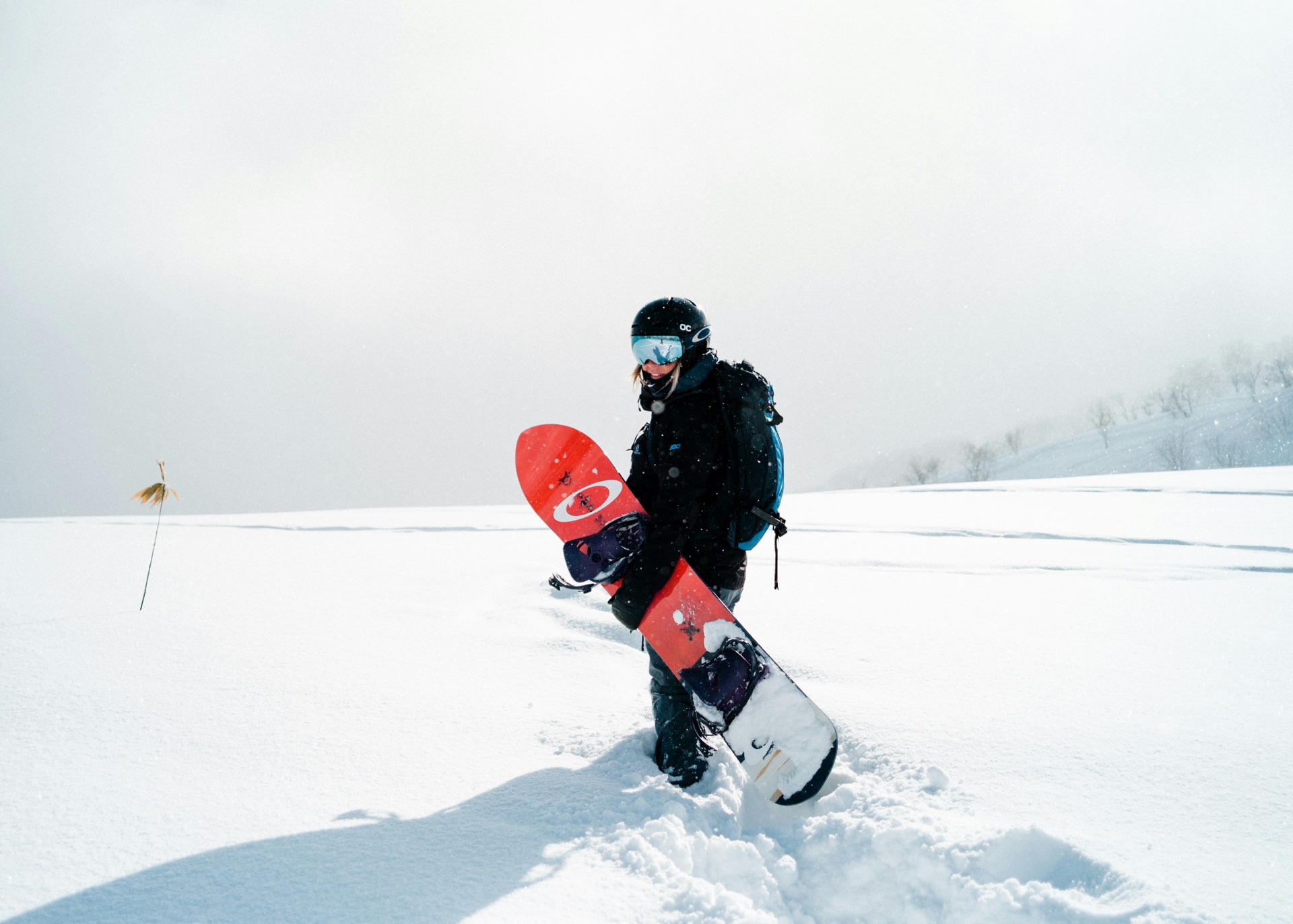
If you’ve ever struggled with persistent muscle tightness, deep aches that don’t go away with stretching, or stubborn “knots” you can feel with your fingers, you’re not alone. These are some of the most common complaints we treat at Backcountry Physical Therapy, and for many athletes in Colorado Springs, trigger point dry needling, especially using the piston technique, can be the quickest and most effective path to relief.
From trail runners dealing with calf or hip tightness, to climbers with shoulder pain, to skiers who feel stiff and sore after long days on the mountain, we’ve seen how dry needling and physical therapy near Colorado Springs helps restore mobility, reduce pain, and improve performance.
What Is Trigger Point Dry Needling?
Trigger point dry needling is a technique used by physical therapists in Colorado Springs to treat myofascial trigger points, those tight, irritated bands of muscle fibers that cause pain, stiffness, and movement limitations.
It involves inserting a very thin (filiform), sterile needle into the tight band of muscle to stimulate a release. Unlike acupuncture, which is rooted in traditional Chinese medicine, dry needling is based on modern anatomy, physiology, and neuroscience.
The primary goals of dry needling are to:
“Reset” an overactive or dysfunctional muscle
Reduce muscle tension
Decrease pain
Improve blood flow and healing
Restore normal movement patterns
What Is the Piston Technique?
- The piston technique is a dry needling method where the needle is repeatedly moved up and down within the muscle to various angles and depths.
- Think of it like gently tapping a stuck spot inside the muscle multiple times to get it to release.
- What the piston technique does:
- Targets the most irritable part of the trigger point
- Activates a local, involuntary twitch response, which helps relax the muscle
- Increases blood flow to an otherwise restricted area
- Causes a neurological “reset” that reduces pain
- Breaks up dysfunctional motor endplate activity
What actually happens inside the muscle?
When the needle taps into the trigger point, it interrupts the abnormal electrical activity keeping the muscle stuck in contraction. This reduces tension, improves oxygen and nutrient delivery, and restores muscle function.
Many athletes near Colorado Springs feel relief immediately after a twitch response.

Working toward pain relief in active individuals in Colorado Springs.
Why Trigger Points Form in the First Place
Trigger points often develop because a muscle has been:
- Overloaded or overused
- Under-used
- Compensating for a weaker muscle
- Forced to work in a shortened position
- Recovering from a strain, sprain, or injury
- Exposed to repetitive motion
- Tight from stress or posture
- Fatigue
- Direct trauma
For active people, common sources include:
- Downhill hiking (calf, quads, glutes)
- Technical climbing (shoulders, forearms, upper traps)
- Trail running (TFL, hip flexors, calves)
- Skiing and snowboarding (quads, hip rotators, spinal erectors)
- Cycling (hip flexors, upper traps, lumbar paraspinals)
Trigger point dry needling using the piston technique helps resolve these issues quickly so the muscle can function normally again.
Benefits of Dry Needling Using the Piston Technique
- Faster Pain Relief
- The piston technique produces strong changes in muscle tone and neurological activity, often making athletes feel looser and less painful within minutes.
- Improved Mobility
- Once the trigger point releases, the muscle lengthens more easily.
Common mobility improvements we see:- Increased shoulder range for climbers
- Better hip mobility for runners
- Improved ankle dorsiflexion for hikers and lifters
- Once the trigger point releases, the muscle lengthens more easily.
- Better Movement Control
- When a tight muscle lets go, surrounding muscles can activate properly again.
This means more efficient movement patterns and less compensation.
- When a tight muscle lets go, surrounding muscles can activate properly again.
- Reduced Muscle Fatigue
- Tight muscles fatigue faster. By releasing trigger points, the muscle works more efficiently and recovers better from training.
- Faster Healing After Injury
- Dry needling stimulates blood flow and healing in tissues that may not get enough circulation due to chronic tension.
- Improved Performance
- Because movement becomes smoother and more efficient after releasing the “stuck” muscle fibers.
What to Expect During a Dry Needling Session
If you’re new to dry needling, especially the piston technique, here’s what happens during a typical session at Backcountry Physical Therapy in Colorado Springs:
- Assessment
- We determine which muscles are driving your pain or movement dysfunction through:
- Strength testing
- Range of motion
- Palpation
- Trigger point identification
- Movement analysis
- We determine which muscles are driving your pain or movement dysfunction through:
- Needling
- During the piston technique:
- A thin needle (filiform needle) is inserted into the trigger point
- Then it is gently and repeatedly moved in a quick “piston-like” motion
- This often produces a local twitch response
- You may feel an intense sensation like a deep ache, a quick cramp-like sensation, or immediate muscle relaxation
- During the piston technique:
- Post-Needling Mobility
- We guide you through gentle movements or stretches to solidify the release
- Corrective Exercise
- Your long-term results depend on retraining the muscle so the trigger point doesn’t come back
- Expect strengthening and stability work like:
- Rotator cuff activation
- Hip stability
- Posterior chain glute work
- Scapular mechanics
- Core stabilization
- Soreness
- You may feel sore for 12–24 hours, similar to a hard workout. This is normal and part of the healing process
Common Conditions Dry Needling Helps
Trigger point dry needling (especially the piston technique) is effective for many common athlete issues:
Runners & trail runners:
- Calf tightness
- IT band syndrome
- Glute med/min trigger points
- Posterior tibialis pain
- Achilles tendon overload
Climbers:
- Rotator cuff trigger points
- Upper trap & levator tightness
- Forearm flexor/extensor pain
- Biceps tendon discomfort
Skiers & snowboarders:
- Quad and hip tightness
- Back spasms
- Hip rotator tension
- Adductor overuse
Lifters:
- Shoulder impingement
- Lat tightness
- Hamstring strain prevention
- Low back pain
Everyday Athletes:
- Tension headaches
- Neck stiffness
- Jaw pain
- Poor posture
Dry Needling vs. Other Techniques
- Dry Needling vs. Massage
- Massage works broadly. Dry needling works deeply and specifically at the trigger point source.
- Dry Needling vs. Stretching
- Stretching helps flexibility. Dry needling helps release the actual restriction that’s limiting flexibility.
- Dry Needling vs. Strength Training
- Strength training fixes the underlying dysfunction.
Dry needling resets the muscle so strength work is more effective.
- Strength training fixes the underlying dysfunction.
The best results come from combining all three, which is exactly how we treat our athletes at Backcountry PT.
Who Should Avoid Dry Needling?
Dry needling may not be appropriate if you:
- Are pregnant
- Are severely needle-phobic
- Have a bleeding disorder
- Are on certain blood thinners
- Have an active skin infection or systemic infection
Final Thoughts: Dry Needling Is a Reset, Not the Entire Fix
Trigger point dry needling is a powerful tool, but it’s not a standalone treatment. It helps reset the muscle. Strength, mobility, and movement retraining help keep it that way.
That’s why our physical therapists approach at Backcountry Physical Therapy includes:
- Dry Needling
- Manual Therapy
- Strength Training
- Functional Movement Retraining
- Performance Progressions
This is how we help Colorado Springs athletes move, perform, and recover at their best.
We help active people in Colorado Springs, Manitou Springs, Briargate, Falcon, Rockrimmon, and surrounding areas!
📞 Call us today or 📧 book your evaluation with us to get started with your Physical Therapy in Colorado Springs (719) 285-9670