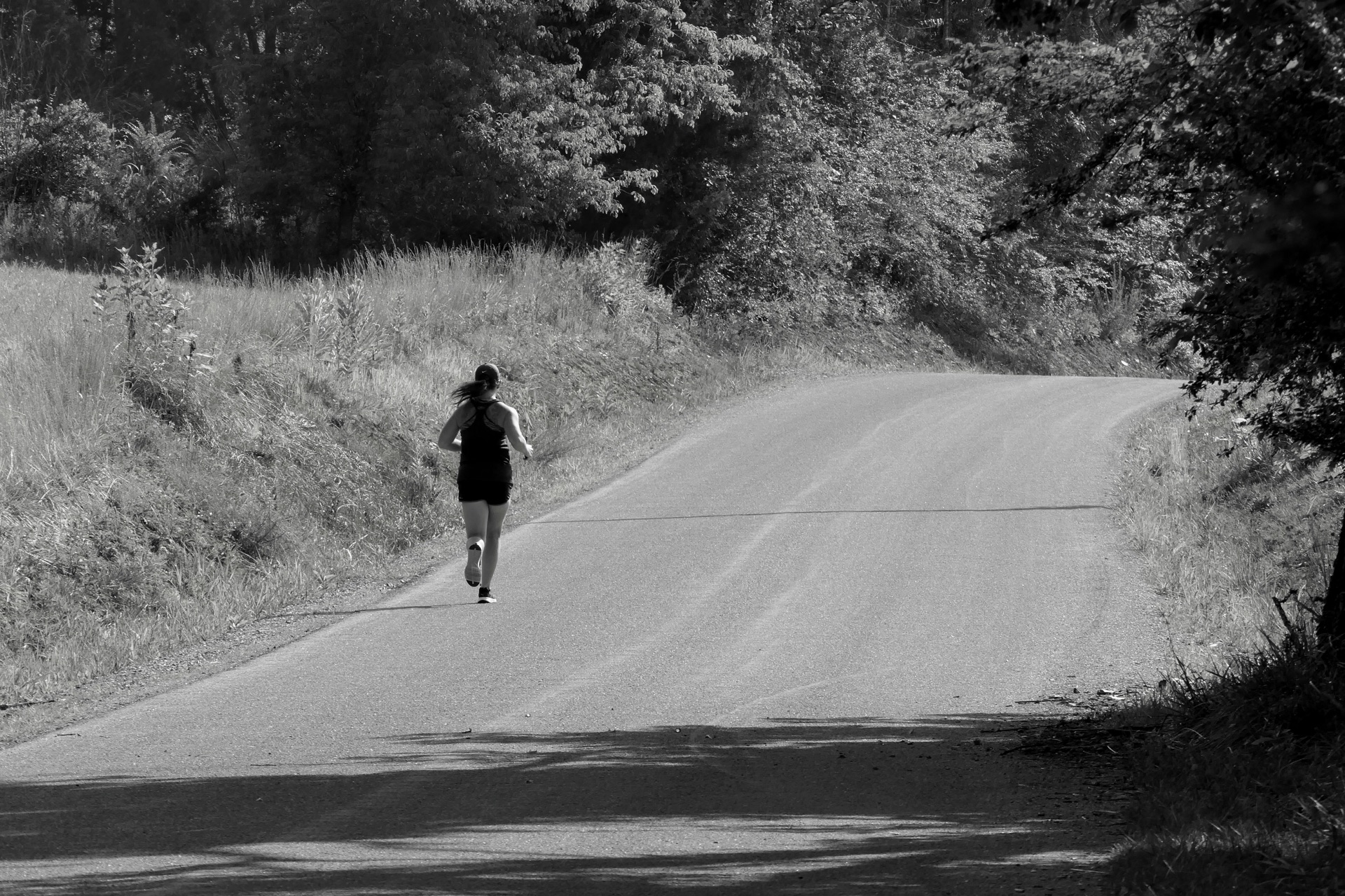
When you live and train in Colorado’s Rocky Mountains, your knees take a beating. Whether you are carving down a powder run, dropping into a steep couloir, skinning into the backcountry, or powering through a high-alpine trail run, your knees are constantly absorbing forces, changing direction, and stabilizing your body on unpredictable terrain in Colorado Springs.
One of the most important structures keeping your knee stable is the ACL, or anterior cruciate ligament. For skiers, snowboarders, and other Rocky Mountain athletes, ACL injuries are unfortunately common, and they can mean a long, frustrating recovery if not prevented.
At Backcountry Physical Therapy, a cash-based physical therapy clinic in Colorado Springs, we believe education is the first step toward prevention. In this guide, we’ll cover what the ACL does, how injuries happen in mountain sports, and the most effective strategies for keeping your knees healthy and strong year-round.
What Is the ACL and Why Is It So Important?
The anterior cruciate ligament is one of four main ligaments in your knee. It connects your femur (thigh bone) to your tibia (shin bone) and runs diagonally inside the knee joint. The ACL’s main jobs are:
- 1. Preventing the tibia from sliding forward relative to the femur
- 2. Providing rotational stability when you pivot or twist
- 3. Helping your knee respond to sudden changes in direction
Without a healthy ACL, your knee can feel unstable, making activities like skiing, cutting across a slope, landing from a jump, or running downhill far more difficult and risky.
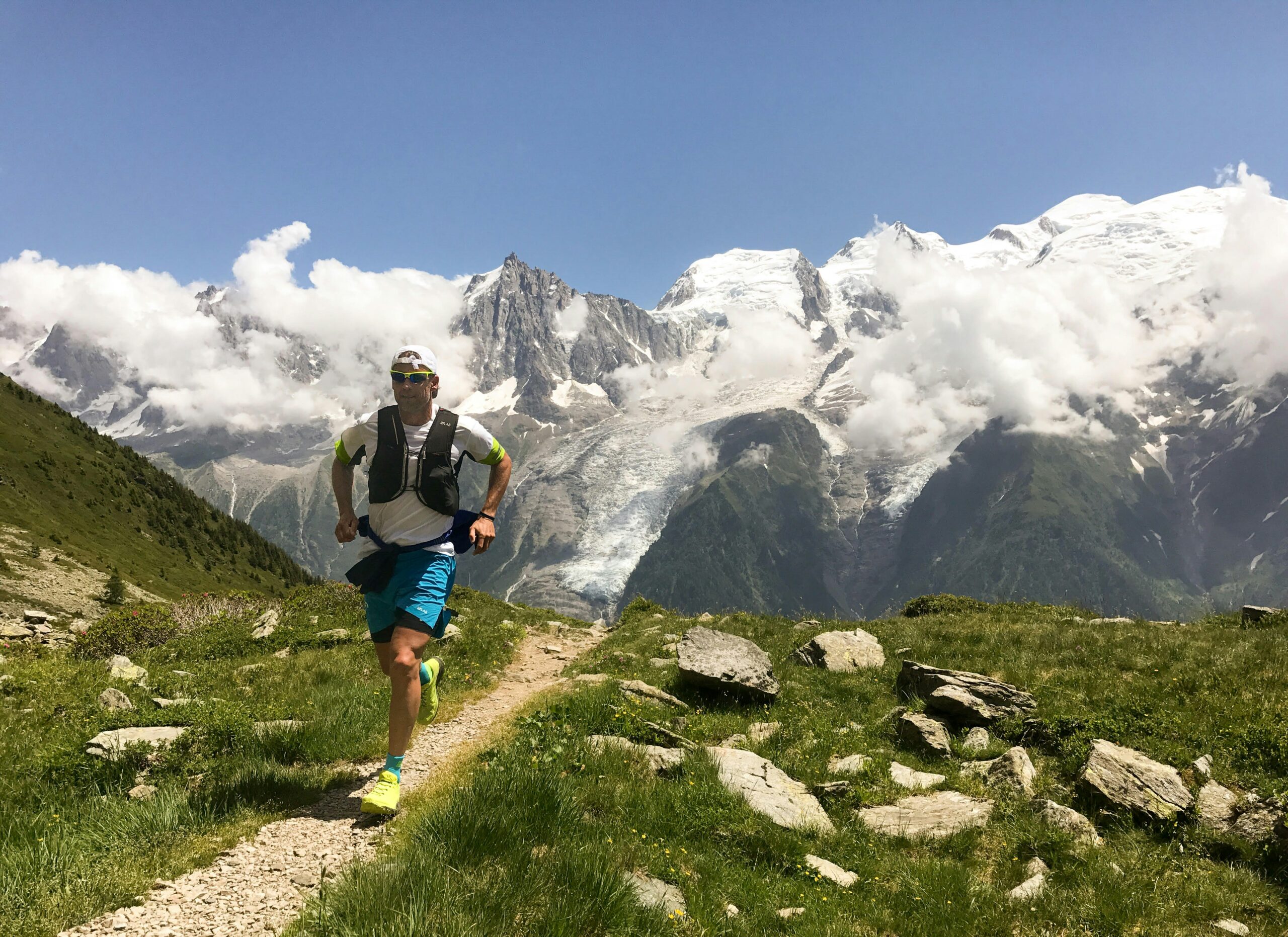
How ACL Injuries Happen in Rocky Mountain Sports
ACL injuries in active individuals are not limited to contact sports like football or soccer. In fact, many ACL injuries occur without contact. Skiing and snowboarding have some of the highest ACL injury rates, especially in advanced and expert athletes.
Common mechanisms of injury for mountain athletes include:
- Twisting falls: Catching an edge in deep snow or on ice can create a sudden inward twist of the knee.
- Backward falls with rotation: Skiers who fall backward with their weight on the inside edge of the ski can experience the “phantom foot” mechanism, a well-known ACL injury scenario.
- Landing with poor knee control: Hard landings from jumps, especially with straight knees or knees collapsing inward.
- Sudden direction changes: Cutting or pivoting at speed on skis, a snowboard, or during trail running.
Fatigue: Tired muscles can’t protect the knee as effectively, leaving the ACL more vulnerable.
Why Rocky Mountain Athletes Are at Higher Risk
Training and competing in the Rockies brings unique ACL challenges:
- Variable terrain: Ice, powder, rocks, roots, and unpredictable snowpack require constant adjustments.
- High altitude fatigue: Decreased oxygen availability can lead to earlier muscle fatigue, reducing knee stability.
- Seasonal transitions: Switching from summer sports (trail running, mountain biking) to winter sports (skiing, snowboarding) can stress the knee in new ways if not adequately prepared.
Explosive movements: Jumps, quick stops, and steep descents increase knee forces.
The Impact of an ACL Injury
An ACL tear is not just a short-term setback. Recovery typically requires 6–12 months of rehabilitation including physical therapy.
Potential long-term consequences include:
- Reduced stability and confidence in the knee
- Increased risk of meniscus damage
- Early onset osteoarthritis
- Loss of muscle strength and endurance
For mountain athletes in Colorado Springs, that can mean missing an entire ski season, postponing goals, and having to rebuild both physically and mentally.
The Good News: Most ACL Injuries Can Be Prevented
Research shows that structured neuromuscular training programs can reduce ACL injury risk by 50% or more. Prevention is especially effective when tailored to your sport and movement patterns through physical therapy in Colorado Springs.
At Backcountry Physical Therapy, we design programs for Rocky Mountain athletes that blend strength, balance, mobility, and sport-specific skills.
5 Key Elements of ACL Injury Prevention:
1. Strength Training for Knee Stability
A strong lower body helps absorb impact and control knee alignment during high-demand movements. Focus on:
- Quads and hamstrings: Squats, lunges, deadlifts, and Nordic hamstring curls
- Glutes: Hip thrusts, lateral band walks, single-leg bridges
- Calf muscles: Heel raises, single-leg hops
Why it matters: Strong muscles act as shock absorbers and stabilizers, keeping your knee from collapsing inward, a common position in ACL injuries.
2. Neuromuscular Control and Proprioception
Training your brain and muscles to work together is crucial for ACL protection.
- Balance drills: Single-leg stance on stable and unstable surfaces
- Agility training: Side shuffles, quick changes in direction, ladder drills
- Plyometrics: Jumps and landings with emphasis on soft, controlled technique
Why it matters: Good neuromuscular control helps you react quickly to unexpected changes in terrain and maintain safe knee positions.
3. Landing Mechanics
Learning to land safely is essential for skiers, snowboarders, and trail runners around Colorado.
- Land with knees slightly bent, hips back, and weight distributed evenly
- Avoid knees collapsing inward (“valgus” position)
- Absorb impact through the hips and knees, not just the knees alone
Practicing these mechanics in the gym can translate to safer movement on snow and trails in Colorado Springs.
4. Mobility For Healthy Movement Patterns
Tight muscles and restricted joints can force your knee into unsafe positions. Common areas to address:
- Ankle mobility: Essential for proper ski and snowboard stance and trail running mechanics
- Hip mobility: Reduces compensations that stress the knee
Thoracic spine mobility: Helps maintain balance and alignment during twists and turns
5. Fatigue Management
Many ACL injuries occur late in a training session or competition when fatigue sets in.
- Build endurance gradually before the season
- Include conditioning specific to your sport (skiing requires eccentric quad endurance, trail running requires sustained uphill and downhill work)
- Take rest days seriously to avoid overtraining
Off-Season and Pre-Season Training
The best time to protect your ACL with physical therapy is before your sport’s season starts. For winter athletes, that means starting dryland training in the fall. For trail runners and bikers, that means building strength and stability before ramping up mileage in spring.
A sample ACL-focused pre-season plan might include:
- 2–3 strength sessions per week targeting lower body and core
- 1–2 plyometric and agility sessions to practice quick direction changes and controlled landings
- Mobility work for hips, ankles, and spine
Progressive conditioning to simulate your sport’s demands
The Role of Physical Therapy in ACL Prevention
Even without an injury, working with a physical therapist can identify subtle weaknesses, mobility restrictions, or movement habits that increase ACL risk.
At Backcountry Physical Therapy, we:
- Perform sport-specific movement assessments
- Test strength, balance, and mobility in positions you actually use in your sport
- Design individualized programs to target your specific risk factors
- Teach proper movement mechanics for skiing, snowboarding, running, and other mountain sports
- Progress exercises so you are ready for real-world conditions
Active Individuals Choosing Physical Therapy in Colorado Springs.
Final Takeaways for Rocky Mountain Athletes
The ACL is one of the most important stabilizers in your knee, and it takes a lot of stress in sports like skiing, snowboarding, and trail running. The good news is that most ACL injuries are preventable with the right training and preparation.
By building lower body strength, improving neuromuscular control, practicing safe landing mechanics, maintaining mobility, and managing fatigue, you can dramatically reduce your risk and keep enjoying the mountains season after season.
At Backcountry Physical Therapy, we specialize in helping Rocky Mountain athletes stay injury-free and at the top of their game. Whether you are prepping for ski season, recovering from a knee injury, or looking to improve your performance, we can help you build the strength and resilience your sport demands.
Ready to protect your knees this season? Contact us to schedule your personalized ACL injury prevention assessment.
Perform at Your Best With Physical Therapy In Colorado Springs
Ready to dial in your performance with physical therapy in Colorado Springs? Our cash-based physical therapy clinic works with cyclists, mountain bikers, runners, skiers, hikers and athletes across the Front Range to help you perform your best!
📞 Call us today or 📧 book your evaluation with us to get started with your Colorado Springs medical bike fit (719) 285-9670
📍 Serving Colorado Springs, Manitou Springs, and the Front Range Trail Running Community.