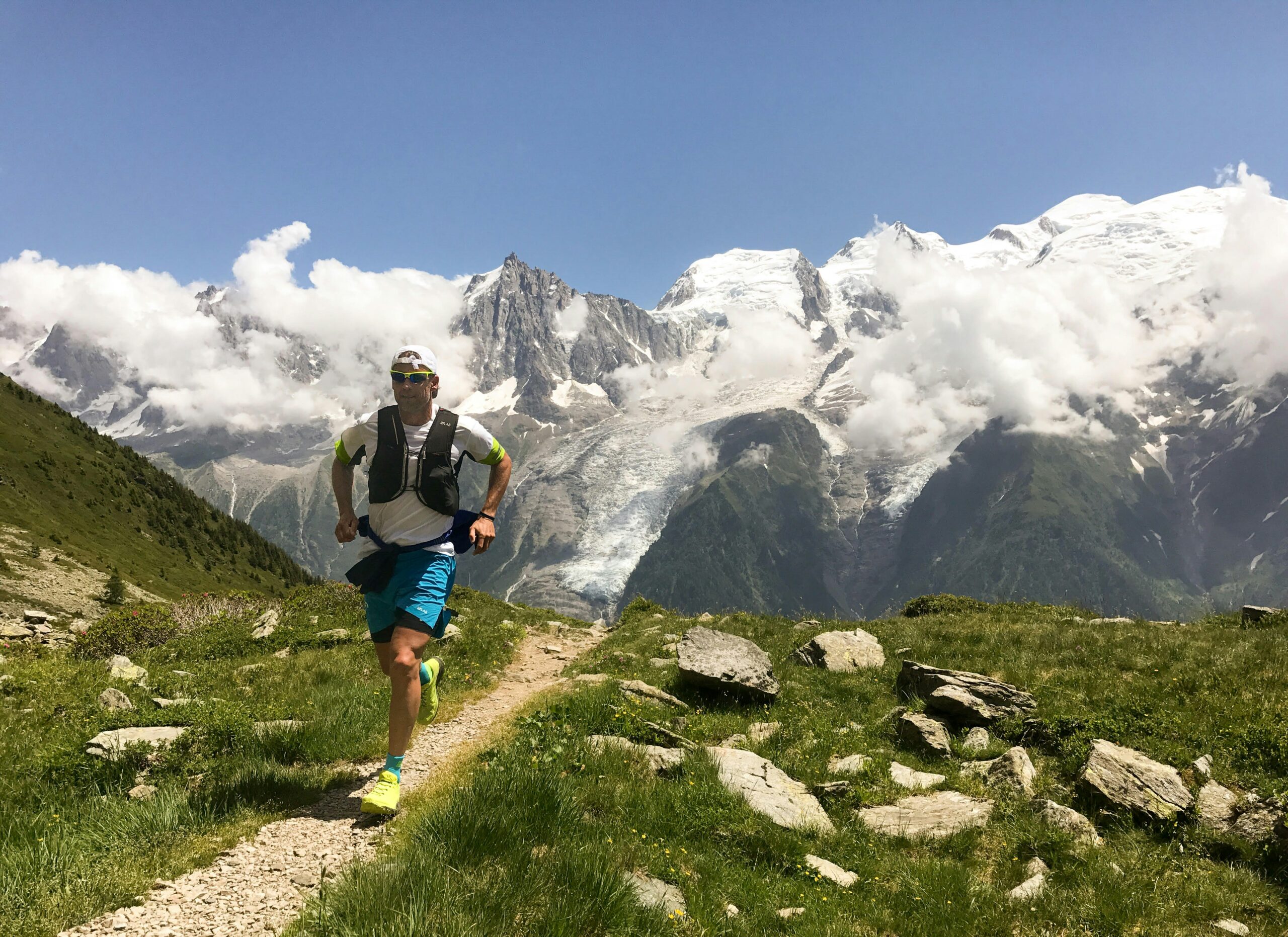
Colorado Springs Trail Running Injury Specialist Explains the Causes, Treatment, and Prevention for trail runners.
Toe pain in trail runners may seem like a minor annoyance until you're halfway down a technical descent and every step feels like you're landing on broken glass. For trail runners especially, toe injuries from trail running are surprisingly common and can sideline even the most seasoned athlete. Whether you're gearing up for your next ultra or just getting started on the trails, understanding the source of toe pain is the first step toward keeping your stride strong and pain-free.
In this post, we’ll break down:
- Why trail runners are prone to toe pain
- Common toe injuries in runners
- Early warning signs you shouldn’t ignore
- Effective physical therapy strategies for recovery
- Prevention tips that can keep you on the trails
- What physical therapy treatment really looks like at Backcountry Physical Therapy in Colorado Springs
Why Toe Pain Happens in Trail Runners
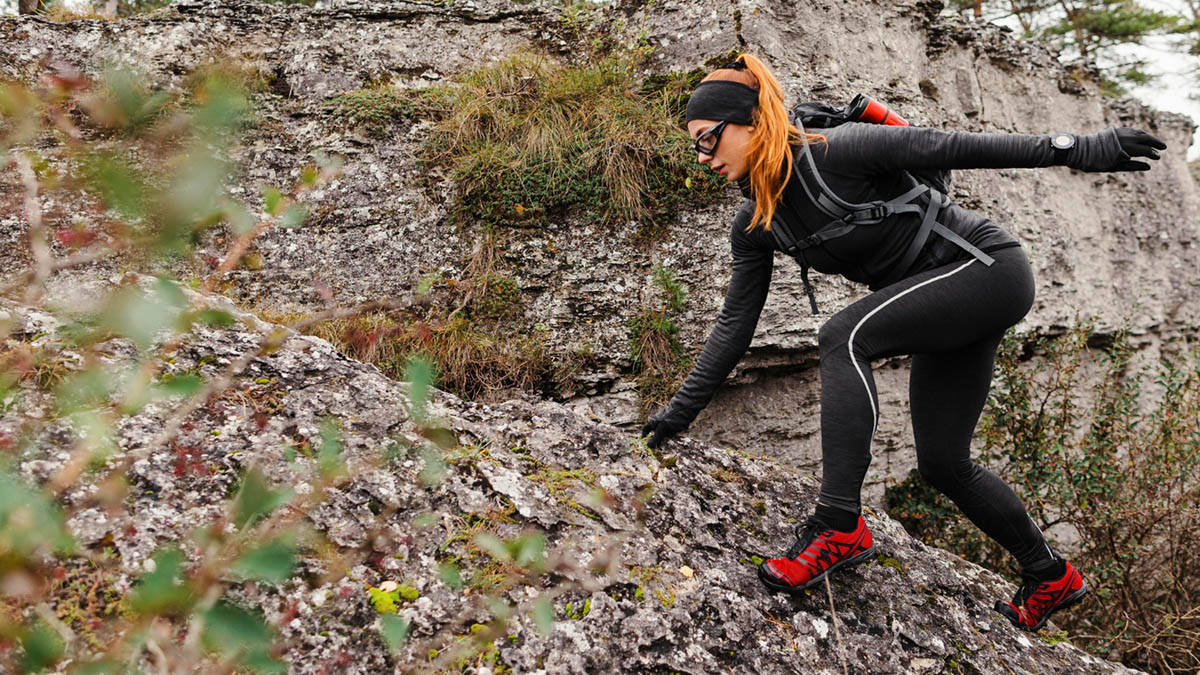
Trail running throws a lot at your feet: uneven surfaces, steep descents, quick lateral changes, and long hours in shoes. All of that translates to increased force through your toes, especially the big toe and second toe over and over again.
Here’s how the trail environment contributes to pain in trail runners:
- Downhill running slams your toes into the front of your shoes
- Steep climbs make your big toe work overtime
- Uneven terrain demands constant foot adjustments for balance
- Poorly fitting shoes lead to friction, jamming, and black toenails
Over time, these stresses can cause tendon irritation, joint strain, or even stress fractures.

Common Toe Injuries in Trail Runners
Turf Toe (Big Toe Joint Sprain)
This injury involves a sprain of the joint where your big toe meets your foot (the first MTP joint). Specifically, it often happens when the toe is forcibly bent upward—common during steep climbs or slips on rocky terrain. As a result, symptoms include pain at the base of the big toe, swelling, and limited range of motion, especially during push-off.
Sesamoiditis
Tiny bones called sesamoids sit under the big toe joint and act like pulleys for your tendons. Over time, these can become inflamed from repeated pressure. Consequently, symptoms include a deep, aching pain under the big toe, tenderness, and discomfort during toe-off or when wearing stiff shoes.
Black Toenails (Subungual Hematoma)
This classic runner’s badge of honor results from repeated jamming of the toes, which causes bleeding under the nail. As a result, black toenails from running present symptoms such as discoloration (black, purple, or red), throbbing pain, and possible nail loosening or loss.
Plantar Plate Injury
The plantar plate is a small ligament located under your toe joints, especially the second toe. Over time, it can be damaged by repeated stress or excessive toe extension. Consequently, signs include pain under the second toe, a sensation of “walking on a pebble,” and possibly a toe that starts to drift or separate.
Stress Fractures of the Toes
Small microfractures in the toe bones can develop from repetitive loading combined with inadequate rest. As a result, symptoms typically include localized pain that worsens with running, slight swelling, and tenderness to touch.
Early Warning Signs You Shouldn’t Ignore
While some post-run soreness is normal, certain symptoms should prompt a closer look. Warning signs of running-related toe injuries include:
- Pain that persists or worsens during or after activity
- Swelling or bruising that doesn’t improve
- Toes drifting or crossing over
- Pain that disrupts sleep or causes limping
Early treatment leads to faster recovery, so don’t wait until you're limping to seek help.
What Does Physical Therapy Treatment for Toe Pain Look Like?
If toe pain is interfering with your trail running, physical therapy offers a comprehensive and active approach to recovery. At Backcountry Physical Therapy in Colorado Springs, we go beyond treating the painful area; we assess how your whole body contributes to the problem and help you build long-term durability.
1. Comprehensive Evaluation
At our Colorado Springs clinic, every treatment begins with understanding the full picture. To start, we’ll ask about your training history, terrain choices, footwear, specific pain triggers, and current training load. Next, a hands-on assessment evaluates joint mobility, tendon sensitivity, and alignment. Finally, we’ll observe how you walk and run to identify compensations or loading patterns that may be contributing to the issue.
2. Manual Therapy
In addition to exercise, hands-on techniques can help relieve pain, improve motion, and reset overloaded tissues. For example, we may use joint mobilizations for stiff toes or midfoot joints, as well as soft tissue release for tight muscles or irritated plantar structures.
3. Strengthening and Foot Control
When foot, ankle, and toe muscles are weak, it can lead to uneven force distribution and poor support. To address this, we incorporate targeted exercises like toe yoga, towel scrunches, big toe isometrics, and ankle stability drills. As a result, foot intrinsic strengthening helps stabilize the arch and reduce pressure on sensitive structures. Furthermore, we build strength further up the chain—especially in the hips and core—to improve running mechanics and enhance control on uneven terrain.
4. Gait and Running Retraining
We begin by looking at how your body moves during running, especially during uphill push-offs and downhill braking. Then, with small adjustments—such as increasing cadence or changing your landing strategy on descents—you can offload painful structures and improve overall running efficiency.
5. Shoe and Orthotic Recommendations
First, we’ll evaluate your footwear to ensure adequate toe space, proper midfoot support, and appropriate cushioning for the terrain. Additionally, temporary padding, taping, or a toe spacer may help unload stressed tissues. In some cases, a custom orthotic or rocker-bottom shoe may also be recommended to limit painful motion during healing.
6. Activity Modification and Return-to-Run Programming
Total rest isn’t always necessary; however, smart modification is key. That’s why we guide you through alternative training options—such as cycling or hiking—terrain adjustments, and a progressive return-to-run program tailored to your specific goals and injury. Ultimately, our aim is always to keep you moving while promoting recovery.
7. Education and Long-Term Prevention
To support long-term recovery and performance, we’ll teach you how to care for your feet, structure your trail running schedule, and recognize early warning signs of overload. Moreover, injury prevention starts with awareness and continues through consistent strength work and proper recovery strategies.
Make sure your shoes have a wide enough toe box, proper length, and proper fit
Prevention Tips for Trail Runners
- Use lace techniques (like a heel lock) to prevent sliding forward on descents
- Do regular foot strengthening exercises like toe yoga and arch doming
- Cross-train to give your feet time to recover between hard runs
- Avoid rapid increases in volume or back-to-back hard trail days
- Keep your toenails trimmed straight across and not too short
When to Stop Running (and When You Don’t Have To)
Many toe injuries can be managed with activity modification and targeted physical therapy instead of complete rest. If you notice sharp pain, swelling, a limp, or your foot mechanics are changing, it’s time to get assessed. The sooner you catch it, the easier it is to treat.
Toe pain may be small, but it’s often a signal that something needs attention. Whether you’re dealing with a new ache or a long-term issue that’s flaring up, physical therapy for your running-related foot pain can help you address the root cause, recover fully, and get back to running without hesitation.
Are you a trail runner with pain? Let Us Help!
At Backcountry Physical Therapy, we specialize in treating community-based athletes, runners, hikers, weight lifters, and active individuals near Colorado Springs who want to stay moving. If you’ve been sidelined by toe pain or aren’t sure how to navigate your return to trails, as your running injury specialist in Colorado Springs, we’re here to help.
We offer:
- In-depth evaluations
- Personalized treatment plans
- 1-on-1 physical therapy sessions with a Doctor of Physical Therapy
- Gait and footwear analysis
- Return-to-run programming
Don’t let foot pain stop your momentum. Contact Backcountry Physical Therapy in Colorado Springs today and let’s get you back on the trail—stronger, smarter, and pain-free.
📍 Serving Colorado Springs, Manitou Springs, and the Front Range Trail Running Community.
FAQs
How do I know if toe pain is serious?
Toe pain might seem minor, but it can be a sign of a bigger issue in trail runners. If the pain persists, worsens with activity, or begins to change how you walk or run, it’s time to get it checked. Early assessment can make recovery quicker and prevent more serious problems down the line.
What are red flag symptoms of toe pain in trail runners?
Watch for symptoms like sharp or sudden pain, noticeable swelling, bruising, limping, or changes in how your foot strikes the ground. These could indicate more than just overuse — such as stress fractures, tendon injuries, or joint inflammation — and warrant a professional evaluation.
What is the fastest way to relieve toe pain while trail running?
The quickest path to relief is often through activity modification and targeted physical therapy rather than complete rest. A physical therapist can help identify the root cause of the pain, correct faulty mechanics, and provide exercises to reduce pain, restore function, and prevent recurrence — helping you return to the trails confidently and safely.